
The door creaked open and invited me in
Supporting healing for veterans navigating the transition to post-service life.
If you are in distress, you can call or text 988 at any time. If it is an emergency, call 9-1-1 or go to your local emergency department.

Supporting healing for veterans navigating the transition to post-service life.

Imagine, if you will, that you woke up one day and your life was completely unrecognizable. It could happen, for so many reasons, good and bad. What then? Do you fall apart or keep going? Or do you re-imagine what’s possible?

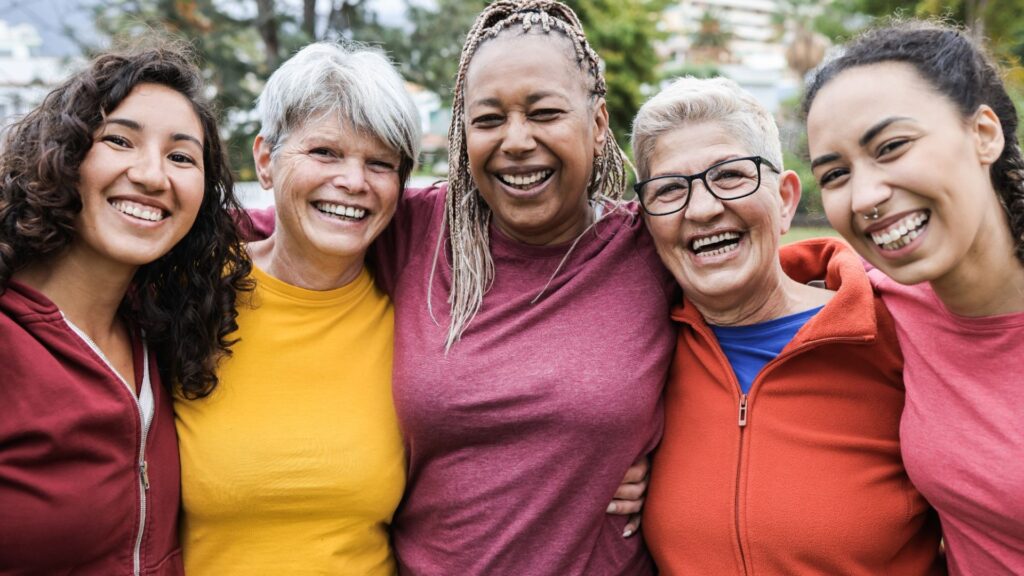
Mental health is a vital aspect of your overall health. As you grow older, you can experience changes in your physical health, social connections, and daily routines that can significantly affect your quality of life, your mood and well-being.

As a white woman, my culture is slowly moving towards an acceptance of mental health and an understanding of mental illness while persons – particularly men – of colour still struggle under the weight of unbearable cultural stigma.

When someone says, “you’re so brave” (as they do all the time) all I hear is that to them, my life is pitiful, and I feel diminished and reduced to my diagnosis. It makes me think of an after school special on “never giving up” (remember those cheesy posters from the eighties and nineties with a cat hanging on a rope? Yeah, that.)

It’s a new year. We are celebrating our stories, and our lived and living experience by showcasing our most engaging posts of 2022.

Working as a registered nurse in geriatric nursing care for nearly 40 years, I’ve been implementing different strategies into my practice. Among my top priorities has been identifying and implementing activities for delaying cognitive decline. When I became a director of nursing care, I started incorporating them into our training sessions with nurses so that they could learn how to help seniors on their way to mental well-being. Now, I will gladly share these beneficial practices with you.

Years ago, when my depression was quite bad, I had wished for simplicity in some of my weekly errands that would allow me the least amount of human interaction. Get in, get out, and get home. This was long before I saw my first self-checkout machine, when I, like everyone else, no matter how we were feeling, had to engage in polite conversation with a complete stranger. Those interactions on difficult days often made me anxious.

Even children can struggle with mental health challenges. But how do you explain mental health to children in an age-appropriate way? It’s got to be engaging, it’s got to be fun, and it’s got to be relevant. My 10-year-old son gets a lot of mental health messaging from me, his “StigmaCrusher” mom, but I’m “just his mom” so I lean on the power of media.