Estimated reading time: 2 minutes
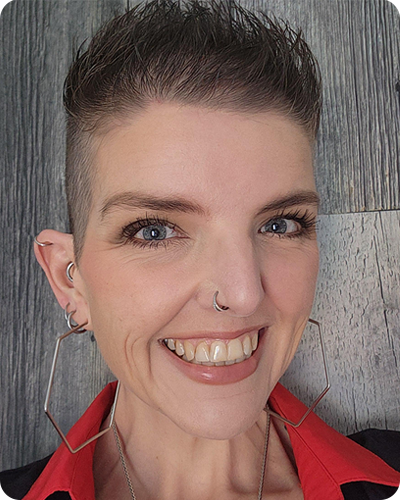
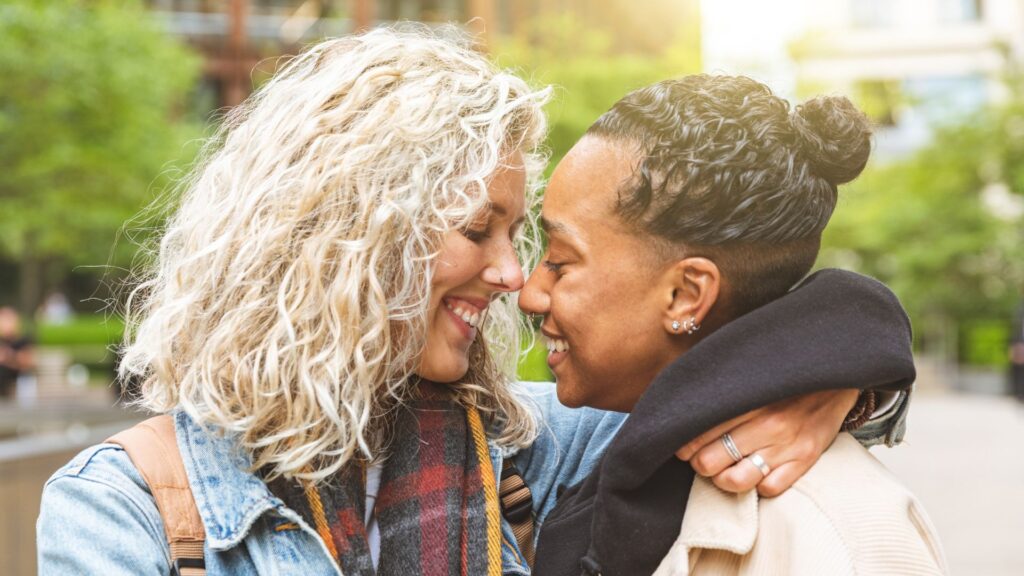
I am a white woman, but my wife and son are not.
And I have seen in the past 17 years that I have loved them, that things aren’t the same for them.
As a white woman, even though I wasn’t born into particular privilege in terms of class or status, I was nonetheless born into the privilege of race where most medical and mental health practitioners look and think like me.
As a white woman, doctors do not withhold medication from me. They do not assume that I am faking it or that I am somehow more tolerant of pain or illness than my wife and sisters of colour.
As a white woman, my culture is slowly moving towards an acceptance of mental health and an understanding of mental illness while persons – particularly men – of colour still struggle under the weight of unbearable cultural stigma.
As a white woman I have seen and heard (and yes, even sometimes perpetrated) microaggressions and passive aggressions aimed at persons of colour that chip away at their mental health, causing trauma that transcends generations.
As a white woman, my community is not concentrated in lower-income inner-city settings where access to medical and mental health care is limited and oversubscribed – and where other barriers such as income and housing often take precedence over mental health.
As a white woman, I didn’t used to have to think about any of this. I didn’t imagine that mental health was affected by the colour of one’s skin.
But as a wife and a mother I can tell you that it is. It really is.