

Lived Experience
How building a support system helps my mental health
Recovery taught me two hard truths: you’re not alone, and asking for help is okay. I’m rebuilding support deliberately.
Recovery taught me two hard truths: you’re not alone, and asking for help is okay. I’m rebuilding support deliberately.
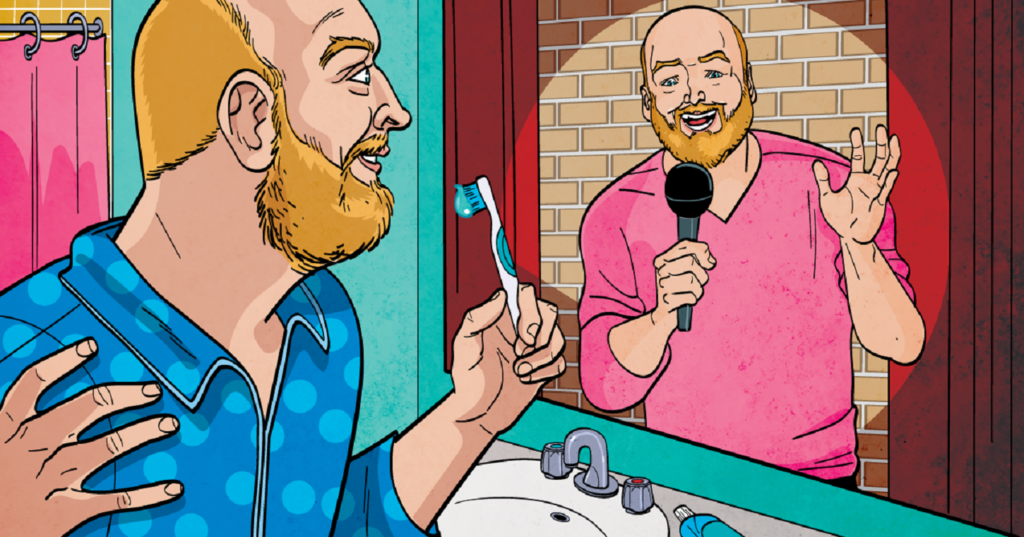
I reached Ian Morrison at his office at the Regina branch of the Canadian Mental Health Association (CMHA). A graduate of the Humber College comedy writing program, he teaches people how to harness their experiences — with mental illness and life in general — into stand-up comedy routines.
“It’s all I’ve ever wanted to do,” he said. “Just tell jokes, make people laugh.”

Several months ago, I had the opportunity to participate in Mental Health First Aid training for the first time. It was an eye-opening experience that really made me look inward and assess my outlook on mental health and what living with a mental illness entails.
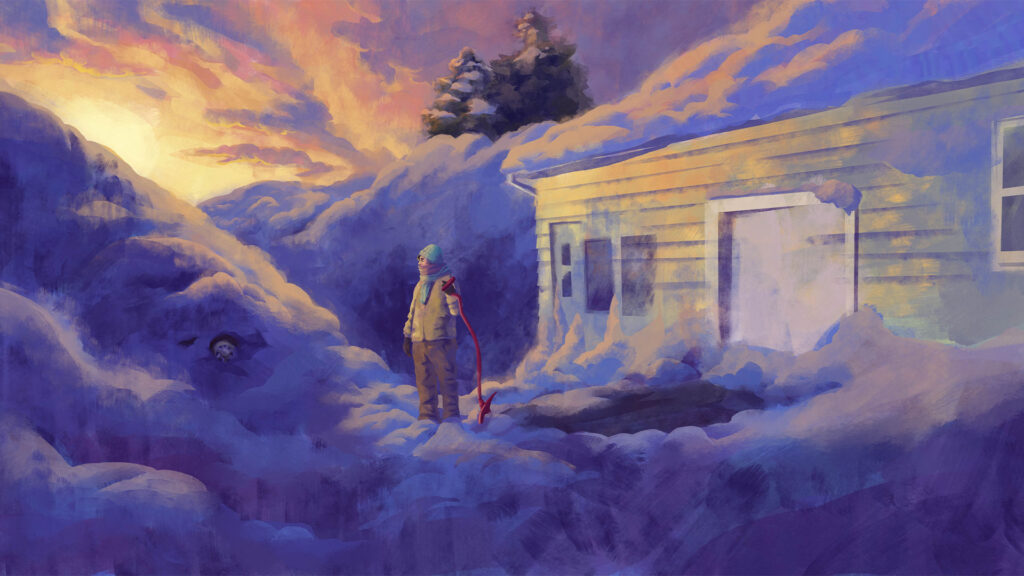
Winter blues are more common than you might think. Seasonal affective disorder (SAD) is a form of depression that people in northern climates usually experience during the fall and winter months, when there’s less sunlight.

When Mo Korchinski left prison, she wasn’t handed a kit with resources to help her turn her life around. There was no guide on how to readjust to an autonomous life. Instead, like many before her, she was given a plastic bag with her belongings and a ticket to where she came from.
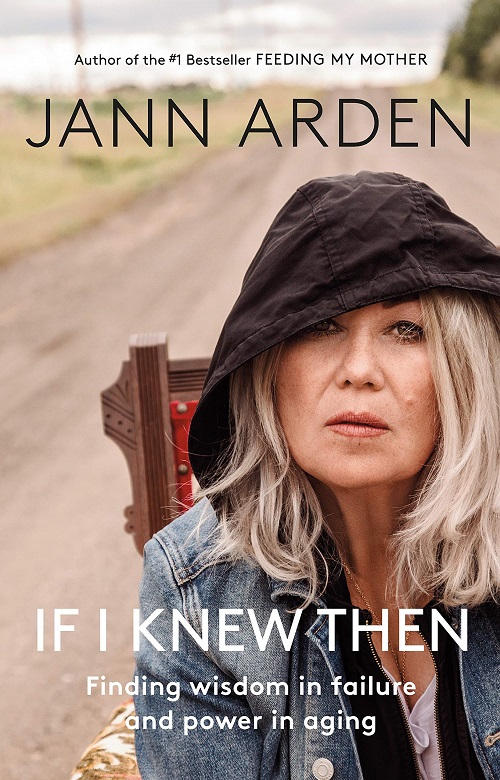
Only a few pages into Jann Arden’s new book, If I Knew Then: Finding Wisdom in Failure and Power in Aging, I am convinced she’s borrowed a tiny piece of my own experience with grief and put it on the page in my stead.
Peer Support What is the issue? An important contributor to recovery, peer support is a supportive relationship between people who have a lived experience in

Understanding recovery starts with acknowledging that every person is entitled to a satisfying, hopeful, and contributing life, even if they experience mental health problems or illnesses and/or substance use concerns. With that basic right comes a powerful shift to a path toward wellness that is rooted in hope, dignity, self-determination, and responsibility.
The recovery declaration is a call to action for individuals and organizations to not only learn about and promote an understanding of recovery, but to
You can’t learn anything from a pop up.
But you can learn lots from our digital magazine, the experts, and those who have lived experience. Get tips and insights delivered to your inbox every month for free!
Subscribe to The Catalyst
