

Bread and butter: money and mental health
In a crunch economy, even butter—and therapy—feel unaffordable. You’re not alone; control starts with small steps.
If you are in distress, you can call or text 988 at any time. If it is an emergency, call 9-1-1 or go to your local emergency department.

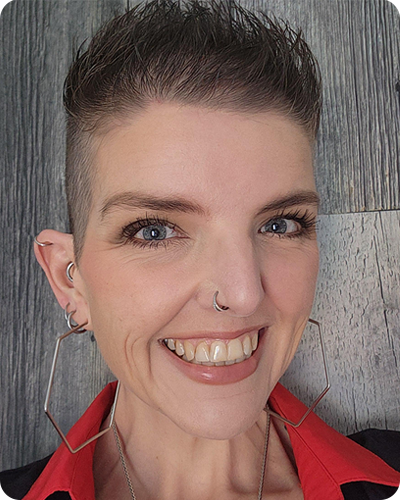
BSc, PhD, aka the StigmaCrusher, is a mental health advocate and keynote speaker with a rare blend of academic expertise and lived experience. Equipped with a doctorate in experimental psychology and firsthand knowledge of bipolar disorder, she’s both heavily educated and, as she likes to say, heavily medicated. Crazy smart, she’s been crushing mental health stigma since 2010.

In a crunch economy, even butter—and therapy—feel unaffordable. You’re not alone; control starts with small steps.

Reducing stigma lets us speak, assess risk, and seek support.

A sudden pothole wrecked my car—and my night. That’s how mental illness feels: an abrupt derailment, unlike mental health’s routine “maintenance.” Self-care helps, but breakdowns need professional repair, time, and often money.

Related Articles Rethinking masculinity to end gender-based violence Read more Related Articles “Unmasking” is the theme for this year’s Mental Health Week – meaning to

Terrified to be seen, I slipped into my first peer-support meeting—and found coffee, clutter, and acceptance.

As a white woman, I once overlooked how race shapes care. My wife and son of colour face withheld trust, pain bias, harsher stigma, microaggressions, and scarce, overburdened services. I’ve learned mental health isn’t separate from skin colour; privilege cushions some, while systemic barriers bruise others—often across generations.

‘You’re so brave’ can feel diminishing to those living with mental illness. Courage lies not in existing but in choosing to share our stories against stigma.

Even children can struggle with mental health challenges. But how do you explain mental health to children in an age-appropriate way? It’s got to be engaging, it’s got to be fun, and it’s got to be relevant. My 10-year-old son gets a lot of mental health messaging from me, his “StigmaCrusher” mom, but I’m “just his mom” so I lean on the power of media.

As a former (recovering?) book snob, I think there are far worse things in life than trading your glasses for earphones and enjoying the escape of storytelling once again. Mental illness already robs us of so much of the simple pleasures of life.
You can’t learn anything from a pop up.
But you can learn lots from our digital magazine, the experts, and those who have lived experience. Get tips and insights delivered to your inbox every month for free!
Subscribe to The Catalyst
We use cookies and similar technologies to make this website work, understand site usage, and improve your experience. You can accept all cookies, or reject non-essential cookies.
Manage your cookie preferences below:
Essential cookies enable basic functions and are necessary for the proper function of the website.
These cookies are needed for adding comments on this website.
Google Tag Manager simplifies the management of marketing tags on your website without code changes.
Statistics cookies collect information anonymously. This information helps us understand how visitors use our website.
Google Analytics is a powerful tool that tracks and analyzes website traffic for informed marketing decisions.
Service URL: policies.google.com (opens in a new window)
Clarity is a web analytics service that tracks and reports website traffic.
Service URL: clarity.microsoft.com (opens in a new window)
Marketing cookies are used to follow visitors to websites. The intention is to show ads that are relevant and engaging to the individual user.
LinkedIn Insight is a web analytics service that tracks and reports website traffic.
Service URL: www.linkedin.com (opens in a new window)
Pinterest Tag is a web analytics service that tracks and reports website traffic.
Service URL: policy.pinterest.com (opens in a new window)