If you are in distress, you can call or text 988 at any time. If it is an emergency, call 9-1-1 or go to your local emergency department.
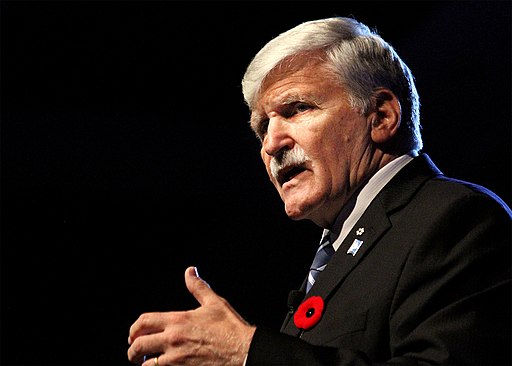
Mental illness is linked to more lost work days than any other chronic condition, costing the Canadian economy $51 billion a year in lost productivity. Despite our expanding array of services, the problem seems to be getting worse. Clearly, there is room for improvement in our current approach toward mental illness in the workplace. My own story exemplifies the systemic problems in our current paradigm. Following my return from Rwanda as a member of the Canadian Armed Forces, I experienced severe post-traumatic stress disorder (PTSD), to the point of having suicidal thoughts. Not knowing what to make of my erratic behaviour, colleagues began to avoid me, which intensified my sense of isolation. Unsupportive or avoidant behaviour on the part of managers often leads to what I call “secondary wounding” — in other words, an additional trauma superimposed on the original one. I did seek help, but the treatment plan didn’t work — not because the therapy was ineffective, but because the social environment at work was so awkward for me that I didn’t feel safe or worthy of treatment. I filled my prescription for medication, but didn’t take the drugs. About two-thirds of employees don’t even take the first step of seeking help. The longer someone is mentally ill, the greater the chance that the illness will become treatment‐resistant and the individual will develop poor coping skills (such as alcohol or drugs). Doctors then have to undo this collateral damage before addressing the precipitating psychological injury. Thus, investing in early intervention pays large dividends to both the employee and the employer. What happens on a social level is instrumental to the recovery process. Even with the best EAP services and providers, the overall treatment plan won’t be effective unless the organization provides a socially supportive environment. I view peer support as the missing link in our current processes for addressing mental health issues in the workplace. Research has linked lack of social support to poor recovery from a trauma. In the case of PTSD, risk factors fall into three categories: The more time that passes between trauma and treatment, the more important social support becomes in relation to clinical intervention. Such support lends traction to health professionals’ clinical work with patients and motivates patients to stick to their treatment plan. As a case in point, I only began taking my medication after a colleague relayed his own positive experience with the same drugs. In 2001, I recommended to our military seniors that we create a social support program for military personnel and veterans, as well as their families. The program has since become a reality, with a network of peer‐support workers across the country. These individuals have all recovered from their own traumas, giving them the depth of experience needed to offer healing support. Peer support is a well‐documented tool for recovery from mental illness in general. Our program has simply built job descriptions, policies and boundaries and an accountability framework around the concept. The importance of social support in the context of mental illness is finally being recognized in the wider Canadian environment. I now have the opportunity to try and export the approach and program I developed for the military to the wider Canadian workplace through my work with the Mental Health Commission of Canada. We have the blueprint that different organizations can adapt to their individual needs. Reprinted with permission from Working Well magazine.

SHARE THIS PAGE
Review our Assessment Framework for Mental Health Apps — a national framework containing key standards for safe, quality, and effective mental health apps in Canada.
To help expand the use of e-mental health services, we developed four online learning modules based on our Toolkit for E-Mental Health Implementation, in collaboration with the Centre for Addiction and Mental Health (CAMH).
Stepped Care 2.0© (SC2.0) is a transformative model for organizing and delivering evidence-informed mental health and substance use services.
We use cookies and similar technologies to make this website work, understand site usage, and improve your experience. You can accept all cookies, or reject non-essential cookies.
Manage your cookie preferences below:
Essential cookies enable basic functions and are necessary for the proper function of the website.
These cookies are needed for adding comments on this website.
Google Tag Manager simplifies the management of marketing tags on your website without code changes.
Statistics cookies collect information anonymously. This information helps us understand how visitors use our website.
Google Analytics is a powerful tool that tracks and analyzes website traffic for informed marketing decisions.
Service URL: policies.google.com (opens in a new window)
Clarity is a web analytics service that tracks and reports website traffic.
Service URL: clarity.microsoft.com (opens in a new window)
Marketing cookies are used to follow visitors to websites. The intention is to show ads that are relevant and engaging to the individual user.
LinkedIn Insight is a web analytics service that tracks and reports website traffic.
Service URL: www.linkedin.com (opens in a new window)
Pinterest Tag is a web analytics service that tracks and reports website traffic.
Service URL: policy.pinterest.com (opens in a new window)