
Roots of Hope Promising Practice Exchange Case Studies – Spotlight on La Ronge, Saskatchewan
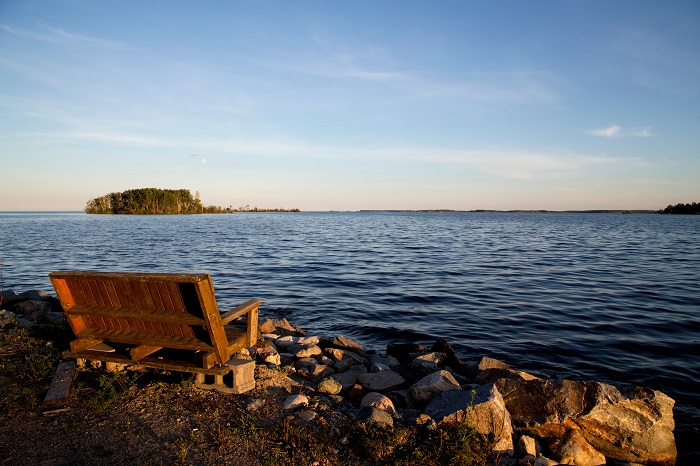
THE LA RONGE COMMUNITY The La Ronge and Area Roots of Hope Project lies in Woodland Cree territory in northern Saskatchewan within the Precambrian Shield’s
THE LA RONGE COMMUNITY The La Ronge and Area Roots of Hope Project lies in Woodland Cree territory in northern Saskatchewan within the Precambrian Shield’s
THE HAMILTON COMMUNITY The City of Hamilton, at the west end of Lake Ontario between Niagara Falls and Toronto, is Canada’s ninth largest city, with

THE HALTON COMMUNITY Halton is a rapidly growing community with a population of 600,000 (an increase of about 60 per cent from 2001 to 2021).

THE EDMONTON COMMUNITY Edmonton is situated in a central Alberta area that measures 648 square kilometres. Its urban population of more than 970,000 reaches nearly

I was driving my car down the street, heading to a movie with a friend, when all of a sudden: WHAM! A pothole. My tire was in there before I could react, and I don’t know what it did – bent my alignment or twisted my suspension or something (can you tell I’m no mechanic?) – but the next thing I know, I am stranded by the side of the road and being towed to the shop, facing a very hefty bill and a long process just to make her roadworthy again. And I missed my movie.
Roots of Hope is a community-based model that supports populations across Canada in reducing the impact of suicide in their local context. The model builds

July is disability pride month.
This means a great deal to me because, for the first time in my life, I am disabled. I developed a debilitating and chronic post-viral condition after contracting COVID-19. My life has changed dramatically and has become, well, unrecognizable to me. I used to hike, walk, and dance. Go out and meet friends. Travel. Now I use a walker. I have a disabled parking sticker. I struggle to do a lot of things that I used to do.

I know firsthand that it can be tough to recognize when you need help. Years ago, when I was going through a major life crisis, it took me too long to ask for help. Later, I could see that I should have reached out to someone sooner. Why is it so hard to ask for help with our mental health? Would it surprise you to know that 60% of people with a mental health problem don’t seek help?

This webinar centers on Life Promotion, an Indigenous led, culturally and contextually informed approach and way of life.