
Closing Research Gaps on Cannabis and Mental Health – Veteran-Specific Findings
Over the past five years, the MHCC has led a pan-Canadian research program to assess the impact of cannabis legalization and its use on the
Over the past five years, the MHCC has led a pan-Canadian research program to assess the impact of cannabis legalization and its use on the

Over the past five years, the MHCC has led a pan-Canadian program to assess the impact of cannabis legalization and use on the mental health

Over the past five years, the MHCC has led a pan-Canadian research program to assess the impact of cannabis legalization and use on the mental

Watch the webinar co-hosted by the Mental Health Commission of Canada and Stepped Care Solutions, focusing on the benefits, successes, and lessons learned for SC2.0

The mental health and substance use health (MHSUH) impacts of COVID-19 and the overdose crisis have increased the gap between what the population needs and

Substance use health and mental health (SUHMH) are closely linked, with many people experiencing challenges relating to both at the same time. Polling by the Canadian Centre on Substance Use and Addiction (CCSA) and the Mental Health Commission of Canada (MHCC) has found that COVID-19 had significant, persistent, and complex impacts on SUHMH. At the same time, the pandemic also accelerated the evolution of innovative health policy and technology.

While integrated services for mental health and substance use health have been studied for more than two decades no recent or comprehensive reviews exist —
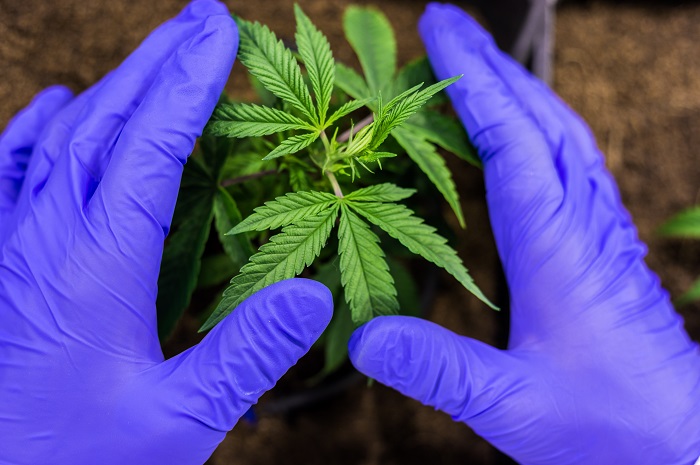
In 2018, the federal government allocated $10 million over five years to help us assess the impact of the legalization and use of cannabis on