If you are in distress, you can call or text 988 at any time. If it is an emergency, call 9-1-1 or go to your local emergency department.
While there’s much talk about a potential echo pandemic of mental illness following COVID-19, such a result is not inevitable. We can all cultivate resiliency by focusing on the actions and attitudes that strengthen our mental health. Resilience based on our ability to engage, adapt, and grow from periods of stress and adversity is a major predictor of how well we will emerge from this global challenge. If distress is impeding your day-to-day functioning (for example, worry is inhibiting your ability to sleep, or anxiety is causing a prolonged loss of focus at work) consider reaching out to a friend, family member, peer counsellor, or a mental health website or professional for help. Be mindful of the attitude you bring to mental health conversations. When you’re talking about mental illness with the same compassion as physical illness, you’re helping to reduce the stigma that keeps so many voices silent.


SHARE THIS PAGE
Review our Assessment Framework for Mental Health Apps — a national framework containing key standards for safe, quality, and effective mental health apps in Canada.
To help expand the use of e-mental health services, we developed four online learning modules based on our Toolkit for E-Mental Health Implementation, in collaboration with the Centre for Addiction and Mental Health (CAMH).
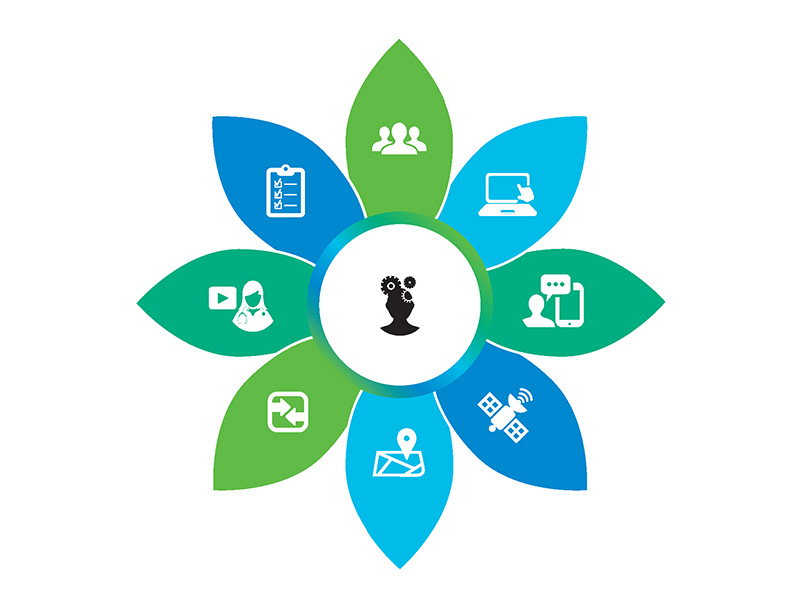
Stepped Care 2.0© (SC2.0) is a transformative model for organizing and delivering evidence-informed mental health and substance use services.


We use cookies and similar technologies to make this website work, understand site usage, and improve your experience. You can accept all cookies, or reject non-essential cookies.
Manage your cookie preferences below:
Essential cookies enable basic functions and are necessary for the proper function of the website.
These cookies are needed for adding comments on this website.
Google Tag Manager simplifies the management of marketing tags on your website without code changes.
Statistics cookies collect information anonymously. This information helps us understand how visitors use our website.
Google Analytics is a powerful tool that tracks and analyzes website traffic for informed marketing decisions.
Service URL: policies.google.com (opens in a new window)
Clarity is a web analytics service that tracks and reports website traffic.
Service URL: clarity.microsoft.com (opens in a new window)
Marketing cookies are used to follow visitors to websites. The intention is to show ads that are relevant and engaging to the individual user.
LinkedIn Insight is a web analytics service that tracks and reports website traffic.
Service URL: www.linkedin.com (opens in a new window)
Pinterest Tag is a web analytics service that tracks and reports website traffic.
Service URL: policy.pinterest.com (opens in a new window)