MHCC & Series
When Sarah Ford agreed to speak with me about the Canadian Hemophilia Society’s upcoming name change, I’ll admit my knowledge of bleeding disorders was limited — largely informed by pervasive myths and misperceptions.
During our conversation, my understanding deepened, and the parallels with mental health became impossible to ignore: intergenerational trauma, vigilance born of past harms, the weight of stigma, and the challenge of reaching those who don’t yet know they need help.
This is familiar territory for the Mental Health Commission of Canada. And it’s proof that our health challenges, while distinct, share common threads.
The Canadian Hemophilia Society gets a new name
After 73 years, the Canadian Hemophilia Society is poised for a major change. The organization will soon become formally known as Bleeding Disorders Canada.
Sarah Ford, the non-profit’s CEO, recognizes that with a new name comes a new identity.
“Reaching a consensus on something this momentous is never easy,” says Sarah on a Zoom call from her Montreal office. “It’s walking a fine line.”
On the one hand, it’s imperative to honour a rich and storied legacy that dates back to the organization’s founding in 1953. On the other, there is a need to broaden the tent to include people who’ve been historically underserved.
As Sarah navigates this delicate balance, she’s always mindful of the resilience and determination of this small but mighty community — one that has borne an outsized burden.
When a life-saving treatment turns deadly
“Before treatments were available, hemophilia could have been life-threatening, more or less,” she reflects.
The disorder prevents blood from clotting properly, which can lead to internal bleeding and harm to joints. The knees, ankles, and elbows are especially vulnerable. When bleeding occurs in a vital organ, it can be life threatening.
“Then in the 1980s, you had this incredible moment of optimism.”
Sarah is referring to the advent of clotting medications extracted from donated blood, with thousands of plasma donations being pooled into a single batch. These concentrates were able to treat internal bleeding via small infusions, and individuals no longer had to be hooked up to a machine for days.
With this breakthrough came fresh hope — until it was revealed that thousands of people who had received these life-saving treatments had become infected with HIV and hepatitis C as a result of a contaminated blood supply.
“That nascent hope was crushed overnight,” says Sarah. “Many died from the very treatment meant to save them.”
Keeping history close
Decades later, the fear, anger, and grief remain fresh for those who were affected by the contaminated blood supply.
“A woman who lost her father, brother, or uncle at that time, and is now contemplating giving birth — how can we not describe this as intergenerational trauma?” asks Sarah, who felt compelled to memorialize these experiences.
“We need to keep our history close so that we can continue to learn from it. It’s about honouring the previous generations, while protecting those coming up after.”
This felt especially important in the lead-up to a name change. There needed to be reassurance for those early advocates that they would still be very much in the fold.
Led by volunteers, Sarah put the wheels in motion to build a digital national memorial dedicated to those who died and whose lives were forever changed — a reminder of the heavy toll of the past and the need for ongoing vigilance and advocacy.
She anticipates a year of behind-the-scenes work to gather the content and personal reflections that will immortalize the tenacity of those dealt a double blow: first an inherited bleeding disorder, then a diagnosis of HIV or hepatitis C.
“The bleeding disorders community is made up of people who were failed by a system that was supposed to protect them. But because of that, they are among the most savvy, literate, and tireless advocates.”
That watchdog role (what the organization calls hemovigilance) remains critical. And it is one that benefits not just the tight-knit bleeding disorders community, but many others who may need transfusions for various medical reasons.
“We need to make sure the systems are in place to avoid these kinds of preventable public health disasters.”
Next year, 2027, will mark 30 years since the seminal Krever report, which recommended sweeping reforms to ensure a safe blood supply.
“We can’t let these harms from the past become part of a more faded history. We are standing on the shoulders of those who lost so much.”

Sarah Ford
More than skin deep
The psychological toll of living with a bleeding disorder runs deeper than the tainted blood tragedy. Globally, some 47 per cent of people living with a blood disorder experience anxiety.
This can be compounded by the stigma attached to an inherited condition, whether it’s fear of insurance complications, workplace discrimination, or concerns about alienating a potential life partner.
“These aren’t abstract worries,” Sarah explains. People make real decisions about disclosure, career paths, and relationships on the basis of fear of how they’ll be perceived.
Inherited bleeding disorders remain prone to mischaracterization. Hemophilia has been mythologized as a disease of the royal line. This is technically true, because Queen Victoria passed hemophilia on to her heirs, but it’s certainly not limited to blue bloods. There is still a pervasive idea that people with hemophilia might bleed to death from a simple cut. Or that hemophilia is exclusive to males.
These misunderstandings matter. They affect diagnosis, treatment, and how people understand their own experiences.
Building a bigger tent
As the original cohort of advocates ages and innovative treatments for hemophilia, like gene therapies, come online, the organization’s shift toward a more inclusive name makes it easier for people to find community and support without having to navigate outdated perceptions.
Sarah ticks off populations that could be better served: women and girls, those with von Willebrand disease (VWD), people living with rare factor deficiencies or rare platelet disorders, and those in rural or remote communities.
“We have to keep our shoulder to progress, and we do that by putting up a bigger tent. If we want the game-changing therapies we’re seeing for hemophilia extended across other blood disorders, we need a new generation of advocates.”
Women and girls, in particular, have been given short shrift for too long. They’ve been labelled as “carriers,” which negates their lived experience beyond childbirth. The organization has spotlighted stories of those like sisters Erin and Emileigh who openly discuss everything from the onset of their periods (painful, heavy), to bruising and joint pain (often), to anxieties about travelling and becoming injured. These experiences have been worsened by doctors’ dismissive attitudes and delayed treatments — which is why Bleeding Disorders Canada is stepping up to the plate.
“Our understanding of these disorders among the female population is a huge part of achieving equity,” Sarah says, who acknowledges it’s not always an easy subject to broach.
“Think about young women getting their periods for the first time. Then layer on the trauma of menorrhagia — heavy menstrual bleeding. Many would rather talk about anything else.”
If Bleeding Disorders Canada wants to be the go-to for information — the first call when someone has a new diagnosis or is wrestling with the possibility — then identifying themselves as that trusted source starts with a name.
Right now, a woman might not see her experience reflected when she comes across the Canadian Hemophilia Society. “And yet,” explains Sarah, “we’re already doing work on her behalf. We’re advocating for her. In all but name only.”
Meeting people where they are
Bleeding Disorders Canada is undertaking a rebrand, but the work won’t diminish. “It’s only going to expand.”
The organization works with health-care providers to ask where the questions are and what community members need to know. Plans include expanding education on everything from novel therapies for hemophilia to updated information on VWD.
“People want concrete, reliable information they can bring with them to their health-care team,” she says.
Increasingly, not-for-profits fill that knowledge gap, providing unbiased, well-researched resources in an era when seeking verified health information can feel a lot like drinking from a firehose.
“Some people want stacks of peer-reviewed journals; others want an infographic they can digest at a glance. We do our best to meet people where they are.”
If you build it, they will come
Closing the knowledge gap for those who may need information but don’t yet have it is part of Bleeding Disorders Canada’s new strategic direction.
Sarah shares a striking statistic: “We have 5,000 people living with VWD registered in the national bleeding disorder database, and that number should be closer to 25,000.”
The new name is a marquee, a signpost that all are welcome. Sarah believes if you build it, they will come.
She lights up when she talks about recently sending three women to the World Federation of Hemophilia 2026 World Congress: “One has von Willebrand disease, one lives with mild hemophilia, and one has a son with severe hemophilia. Two are training as medical practitioners. There is this sense of excitement, this feeling of being at the centre of this conversation. A real feeling of new possibilities.”
I ask if the need for advocacy has decreased as treatments have evolved.
“No!” On this point, Sarah is emphatic. “Applying advocacy to protect care systems and hard-won wisdom to improve conditions for underserved populations — this is an area of tremendous need. It’s an incredible time to see how quickly things are changing.”
The official name change will happen this June, with a transition period focused on logistics — ensuring the chain of communication between community members, decision-makers, and others remains unbroken.
“Whether we are CHS or Bleeding Disorders Canada, what remains true is that we’re dedicated to foundational education and committed to being a trusted source of information for all our constituents — even those who haven’t yet arrived at our door.”
For those who want to get involved, Bleeding Disorders Canada offers volunteering opportunities and peer support programs and maintains links to provincial chapters across the country. The website serves as a hub for resources and information.
As Sarah puts it: “For the community, by the community, with the community.”
To learn more, visit www.hemophilia.ca.
Suzanne Westover
An Ottawa writer and former speechwriter, and Manager of Communications at the Mental Health Commission of Canada. A homebody who always has her nose in a book, she bakes a mean lemon loaf (some would call her a one-dish wonder) and enjoys watching movies with her husband and 14-year-old daughter. Suzanne’s time with the MHCC cemented her interest in mental health, and she remains a life-long learner on the subject.
Related Articles
Mental health concerns and illnesses have a serious economic impact on the Canadian workforce. The annual cost of mental illness in Canada is estimated at $51 billion, including lost productivity. At least 500,000 Canadians miss work because of mental illness every week. One in five Canadians experience mental illness in any given year, and many more will experience mental health concerns and burnout. This in turn increases turnover and affects the ability of employers to retain good employees.
Burnout and mental illness
In fact, in 2025, 39% of Canadian employees reported feeling burnt out, a number that rose from 35% in 2023. Burnout costs employers up to $28,500 per employee annually in lost productivity and turnover. It is one of the strongest predictors of turnover, and organizations that invest in burnout prevention see burnout rates drop to 27%, compared with 47% in organizations that take no action.
Mental health concerns like burnout and mental illnesses like depression, anxiety and ADHD affect the workforce at high rates and create barriers to employee success. Mental illness can lead to disability that affects performance.
Mental health disabilities
The workplace is not made for persons with disabilities. Barriers abound. And yet employees with disabilities are among our most determined, resilient, and creative problem solvers, who have honed these skills over a lifetime of solving complex problems each day in their personal lives. In 2022, 10.4% of Canadians over the age of 15 reported having a mental health-related disability. In the same year, 35% of employed Canadians with disabilities needed at least one workplace accommodation and yet 35% of those who needed accommodations did not ask for them because of the associated stigma. Workplace training like Opening Minds’ The Working Mind can help reduce mental health stigma among employees, and creating a psychologically healthy and safe workplace by applying the National Standard of Canada for Psychological Health and Safety in the Workplace can make the workplace a better environment for people with mental health disabilities.
When barriers present themselves in the workplace, how we respond is critical. Mental health is consistently one of the top issues in employee retention, and accommodations act as the “bridge” between an employee’s mental health needs and their ability to remain productive and committed to their employer. Kristin Bower, a consultant and co-founder of Leda HR, concurs. She needed a workplace accommodation because of a mental health disability early in her career and shares, “There’s the retention piece right there: when I personally wasn’t supported, I didn’t feel a sense of loyalty, rapport or belonging to my employer.”
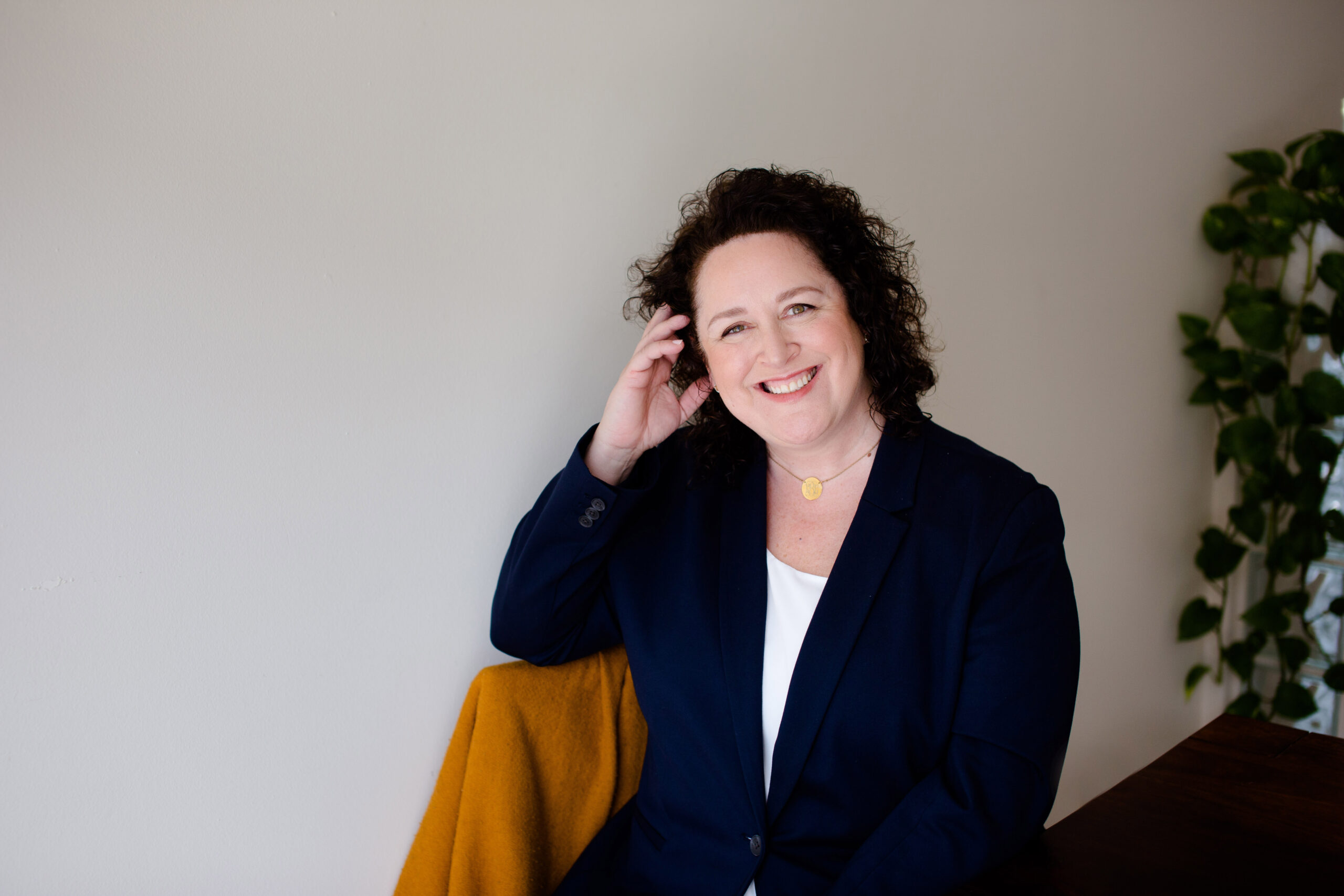
Kristin Bower
Accommodations for mental illness
We tend to think of accommodation for persons with disabilities as building ramps for those using wheelchairs, but it is sometimes less clear how to accommodate a mental health disability. “People leaders don’t need to be the experts,” says Bower. “The accommodation process is one that should be a shared accountability between the person who needs the accommodation and the employer.”
I work in a typical office environment, and because of my mental health disability I have faced many barriers to success in my 15+-year career. For example, some medications that I have taken have caused me to be groggy and sleepy in the morning, making my typical 7 a.m. start time difficult to achieve. At other times, because of cognitive symptoms I have found it difficult to focus on reading long, complex documents from my computer screen. Sitting in an open-concept office space, surrounded by movement and noises, has often made concentrating particularly difficult when I have been experiencing symptoms. All of these issues have been barriers to reaching my full potential at work and have had the potential to cause my regular level of performance to decline.
However, a later start time allowed me to take my medications as prescribed but also be at my best when I am at work. A screen reader has turned reports and briefing documents into podcasts that I am able to focus on despite my cognitive limitations. Moving to a workstation in a lower traffic area has made concentration much more possible when symptoms are causing excessive distractibility.
These are some of the accommodations that have helped me continue to deliver my best work. Before these adjustments were made, I was becoming frustrated and performing poorly, leading to increases in both presenteeism (showing up to work but not working at capacity) and absenteeism (not showing up to work at all). I was starting to think that maybe my job wasn’t for me and that I should go on sick leave or long-term disability or maybe find another job. But as soon as the barriers to success were removed, I was able to go back to being the high-performing employee that my employer had hired, and my job satisfaction returned.
Ideally, I would not have waited until I was thinking about leaving to seek accommodations. Accommodations work best when they are implemented proactively, not reactively.
Strategies and tools for retention
It can be difficult to know what strategies and tools are available to help accommodate employees with mental health disabilities. “There is a lack of knowledge around what is an accommodation,” Bower says. “Most accommodations are simple to enact and are under $500 or free if you have a disability.” The trick is for managers and employees to work together, often with the help of health-care professionals, to identify an individual’s functional limitations and then put into place adjustments that will help them to overcome those limitations. Sometimes it requires creativity or trial and error to hit on the correct solution. The Manager’s Guide to Workplace Accommodations is a starting point for both managers and employees in their journey into accommodating persons with disabilities.
It is important to note that the workplace is required to accommodate a person with a disability up to the point of undue hardship. But accommodation can also be a strategic retention tool, not just a compliance requirement. “People want to work for a culture that is supportive, and that helps retention overall” says Bower.
Flexible work
This story would not be complete without mentioning the elephant in the room — work from home. Flexibility to work from home has become a major accommodation request since the COVID-19 pandemic, while needs for other types of accommodations have remained stable or declined. A flexible work location, either through fully remote or hybrid work, is one of the most requested accommodations for employees with mental health challenges as it promotes work–life balance, autonomy and flexibility and can help an employee to manage the symptoms of a variety of mental illnesses and mental health concerns, often without having to brave the stigma associated with mental illness. Of course, working from home is not an option for workers in many fields, such as in the health-care and construction sectors. There are a variety of accommodations that can support on-site workers as well. Flexibility and creativity are key. Whether it is in place or time of work, or how the work gets done, exploring options to see what might address an employee’s specific needs is the first step. “Just because you’ve always worked in a particular way doesn’t mean you always have to work in that way,” Bower says. Both Bower and I can attest, through our own experiences, that when high-performing employees are accommodated, the employer benefits from retaining them.
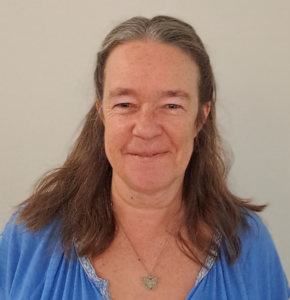
Author: Jessica Ward-King B.Sc., Ph.D., a.k.a. the StigmaCrusher, is a mental health advocate and keynote speaker with a fine blend of academic expertise and lived experience.
Related Articles
During the pandemic, Christine Hooper, a registered dietitian and yoga instructor who lives in Toronto, found a novel way to lessen the effects of social isolation — cleaning house.
“It’s how I got through COVID,” Hooper says. “I was all by myself with nowhere to go, so I slowly went through all my stuff and cleaned and organized everything.
“I didn’t tackle too much at a time,” she recalls. “I just took a couple of hours every night while I was watching mindless TV and flipped through my things, box by box. It helped that I had time for things to percolate.”

Christine Hooper
Since she lives in a modest one-bedroom, Hooper was surprised to discover how much had accumulated over the years. But, after months of going through all her stuff, she slowly transformed a crowded bachelorette pad into a lean apartment equipped only with things she needed or truly loved.
The experience also made her realize how good “spring cleaning” projects made her feel. She even started volunteering to help friends transform their spaces, which she said felt like a “creative act.”
Could your dust-buster double as a stress buster?
Hooper’s sense that cleaning can help you cope with difficult situations is starting to get a little scientific backing, despite the fact that very little research on any possible connection had been conducted until 2023, when “Actual Cleaning and Simulated Cleaning Attenuate Psychological and Physiological Effects of Stressful Events” hit the stands.
An international team that included researchers from the University of Toronto found an association between the physical act of cleaning and the lessening of “residual anxiety” from a “stress-inducing physical scene.” Cleaning helped boost “adaptive cardiovascular reactivity,” a physiological reaction that can make it easier to cope with stress.
That may have been the first physiological evidence, but anecdotally, many humans had already observed this. For musician and writer Blair Frodelius, the therapeutic qualities of cleaning have been clear for a while. “I feel less pressure, less anxiety, and less stress in my life,” he says. “I guess the best word to describe it would be ‘unburdened.’”
Which may be why many, if not most, cultures and religions have rituals that involve sweeping out the bad energy to make room for good vibes, be it Lunar New Year or Guatemala’s La Quema Del Diablo, which involves giving the house a deep clean, then burning the devil in effigy.
“There are a lot of cultural components and cultural messaging that have to do with cleaning,” says Dr. Natasha Williams, a registered psychologist. “I was born and raised here in Canada, but my family is from the Caribbean, where cleanliness is often talked about as next to godliness, you know?”

Dr. Natasha Williams
Growing up, Williams recalls the whole family pitching in to scrub the washboards and fold the laundry so that everything was spotless on Sunday — and ready for the start of the new week. The value of that experience has stayed with her, to the point that her dynamic practice in Toronto melds advice on mental health and empowerment with ways to declutter all the spaces — physical, mental, and even digital.
“The thing is that mental health is whole health,” Williams adds. “So that includes physical health, our social environment, and our physical environment. If your environment is cluttered, that is going to impact the way that you cope on a day-to-day basis.”
Less is more for many, but not for everyone
Williams stresses that cleaning is a highly individual issue. Some find comfort in a cozy room full of memorabilia and stacks of books; others prefer a sparse space.
Clare Kumar, whose Happy Space Podcast is all about neuro-inclusion and design, says the gap between minimalists and maximalists goes beyond personal taste and decorating trends.

Clare Kumar – Photo: Dan Coutts
“Some people can become overwhelmed by too much visual stimulation,” explains Kumar, who also used to be a professional organizer. “I think a strategic restoring of order in a space can sometimes be a nervous system regulation. I call it a ‘moment of exhale’ because I find it starts to calm us down.”
Hunting for treasure without ever leaving home
Still, even people who are highly motivated to dial down a room’s sensory overload might struggle to let go of certain things.
“I tell people to look for treasures, so I try to reframe it in a really positive way rather than devaluing things by calling it ‘clutter,’” says Kumar. “Identify the things you really know you want to have in that space, then infuse them with joy and celebration rather than guilt.”
Wendy Stone, founder of Halifax’s Lighten Up Organizing, a trauma-informed service, agrees that using positive, judgment-free language is especially important when “stuff” is part of a coping mechanism.
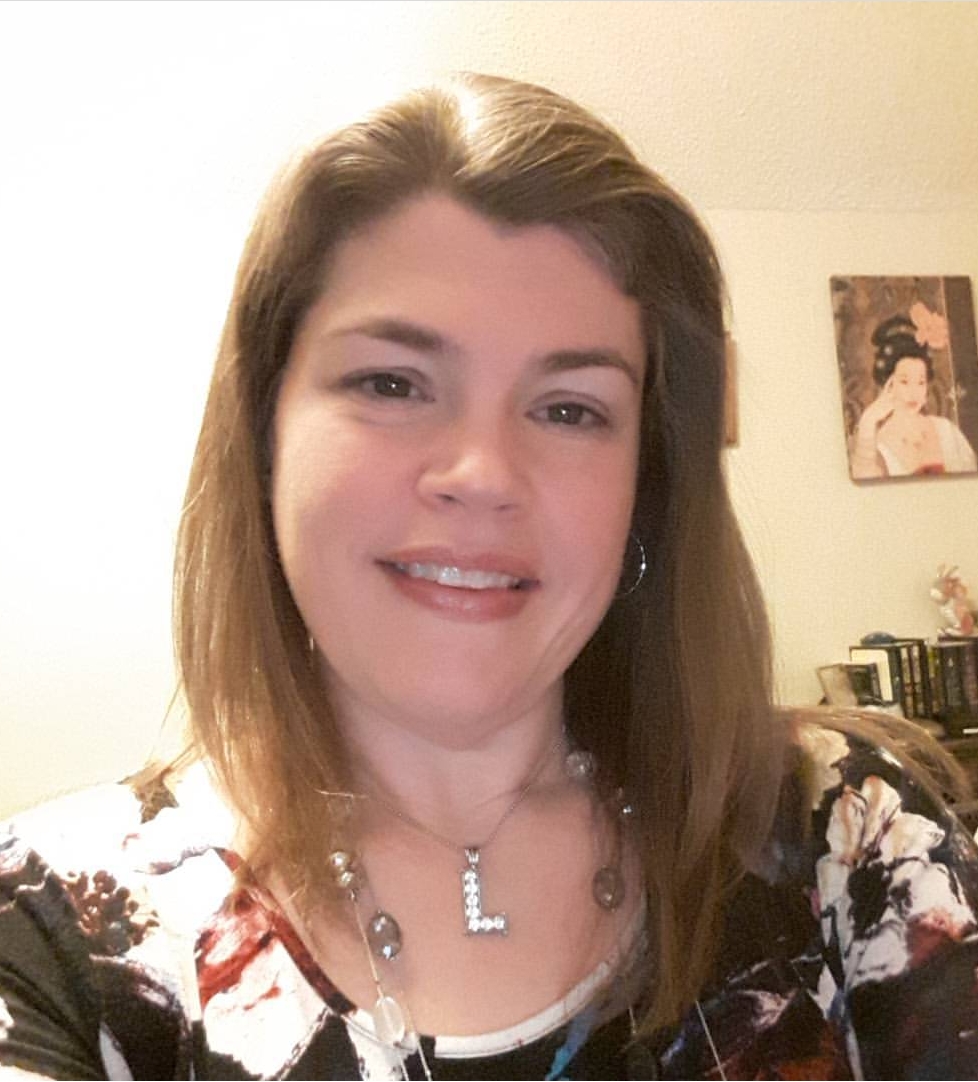
Wendy Stone
“If you have somebody with severe trauma issues around their things, you can’t call it junk or garbage or just start by asking if they really need it,” says Stone, who has transformed countless homes into well-organized spaces since she founded her business in 2018. “You need to ask why they’ve kept it and then talk about it before you can ask whether they need it.”
Stone remarks that it’s a slow process. And it should be. She recommends not planning to do a whole house or apartment on a single weekend. “It’s all about keeping the focus in a very small space,” she says.
“But it’s so important to try to work on making your home a place you feel good about and feel safe in,” Stone continues. “Because, really, I think our spirit is attached to our space.”
Practical tips from our panel of neatniks:
- An orderly and clean house is great, but don’t strive for perfection. “Because we’re human beings and human beings are not perfect, there’s no such thing,” says Dr. Natasha Williams. “Perfection is a myth.”
- “Start small,” Blair Frodelius advises. “Five minutes a day equals two and a half hours per month. So, if you can do 10-20 minutes a day, wow!” If you need a prompt, he notes there are apps that remind you to do all sorts of tasks — from the kind that only come up a few times a year to regular daily or weekly chores.
- Wendy Stone advises: If you’re sorting stuff in the bathroom and you find a hammer, don’t immediately take it to the tool room. Instead, sort in place and make piles. “We’re not going to move around the house,” she says, “When we’re done, the stuff that goes to the kitchen or the living room goes all at once. That saves your energy and you’re more likely to finish the task at hand.”
- Christine Hooper recalls that she ran across a stack of love letters from her first boyfriend during the big dig of her apartment. “I read every single letter. Then I chose my favourite and got rid of the rest,” she says. “Sometimes people keep multiple things that remind them of a person or time in their life. You often only need one.”
- Getting rid of things can feel wasteful and few of us want to feel like we’re contributing to a landfill. Clare Kumar counsels people to look to local charities that need donations for gently used items so they get a second life. “I’ve always wanted to make a TV show that takes unwanted items and follows them to homes where they become treasures.”
Cleaning rituals around the world
In parts of the Middle East, Central Asia and the Balkans, humans have been celebrating Nowruz, a spring equinox celebration, for over 3,000 years. There are many components to the festival but one important one is “shaking the dust” — cleaning house before the equinox.
Better known as Swedish death cleaning, Döstädning isn’t an annual ritual but instead a philosophy that espouses simplicity and minimalism at any age. The name may sound morbid but, in the end, keeping things clean is about caring for loved ones by making sure they aren’t, one day, burdened with a house crammed with possessions. And helping family and friends is good for us, too.
Most of us know all about ridding ourselves of items that fail to “spark joy,” thanks to Marie Kondo’s books and TV shows. Fewer people know that Kondo took inspiration for her work from Ôsôji, a traditional Japanese cleaning exercise designed to let go of regret to make room for all the good fortune and energy coming in the New Year.
Fact sheet: Managing the Winter Blues
Further reading: The Therapeutic Power of Blue Space
Author: Christine Sismondo, PhD, is a historian and a regular contributor to the Toronto Star and other publications. She writes regularly about drug policy, intersectional feminism, and healthcare, and has received both a Canadian Online Publishing Award and a National Magazine Award.
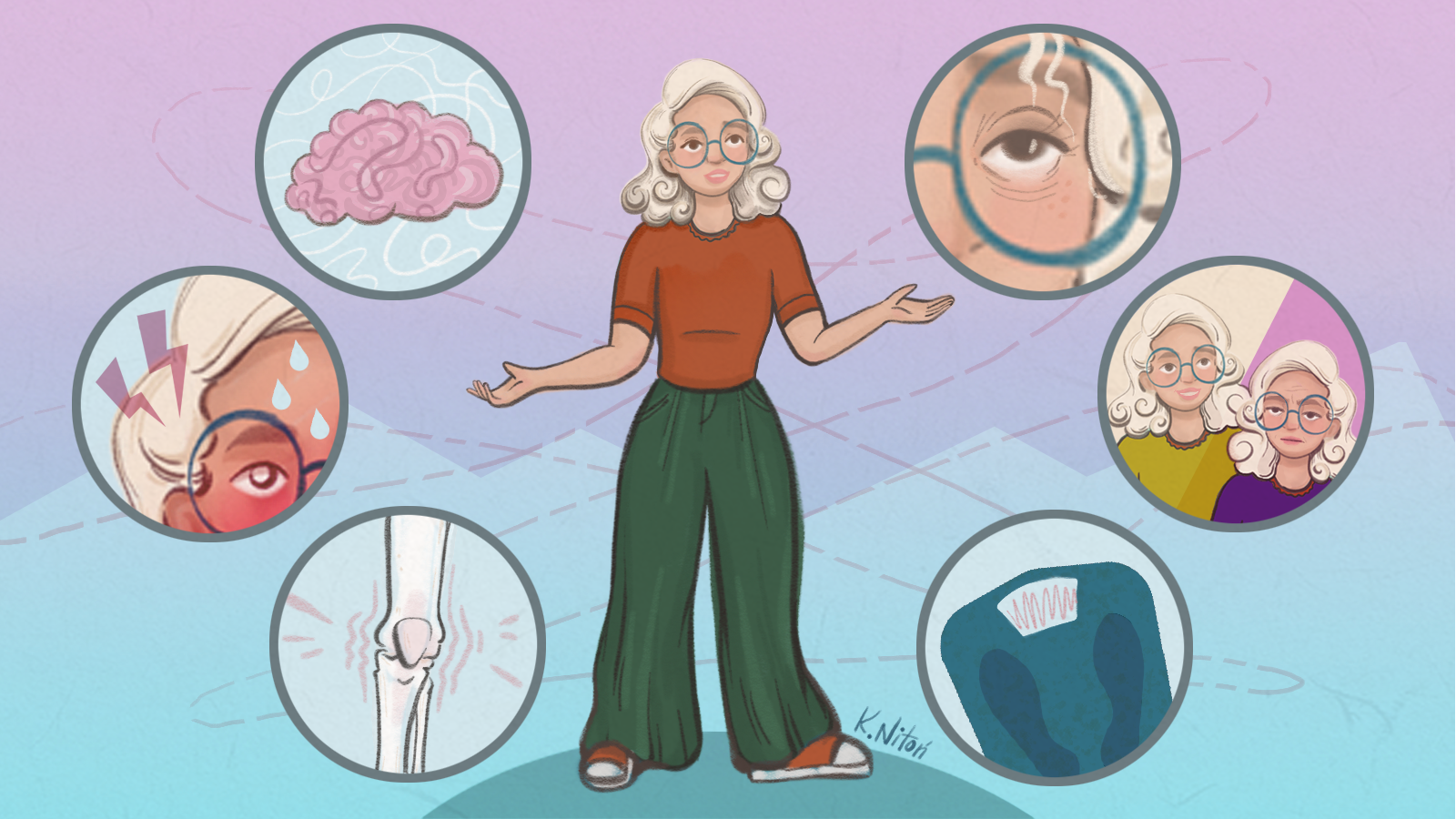
Illustrator: Kasia Niton – https://sunnystreet.studio/ Instagram: @sunnystreet.studio
Related Articles
Are You There God? It’s Me, Margaret was our tender, funny guide through the mortifying terrain of adolescence.
At midlife? We’re on our own.
From American Beauty to Mad Men, the male midlife crisis is a cultural obsession — complete with sports cars, affairs, and existential breakdowns.
Take my dad. In his early 60s, he bought a black Mustang GT convertible, beautiful but impractical, a coupe with negligible legroom. We still had a family dog, and my parents regularly made long drives. My mother recalls a juddering so relentless that every few kilometres she double-checked her fillings hadn’t fallen out.
While he conformed to the trope of the male midlife crisis, the reality is a little starker.
Midlife can be a period of reflection, a grab bag of unmet goals and shifting roles. My dad had recently retired, but his job had been central to his identity. His kids were grown. He began offering (not so helpful) observations on my mother’s vacuuming. In retrospect, the car was a stand-in for feelings of grief and loss he couldn’t articulate.
Given that men have been conditioned to externalize distress — acting out in anger, masking depression through workaholism — it makes sense that someone identifying as male might address midlife malaise with a big-ticket item.
A fast car equals a new lease on life. Problem (not quite) solved.
Are you a woman over 45? Pass me the eraser
It’s trickier to find evidence of the female equivalent.
As Ada Calhoun writes in her seminal book, Why We Can’t Sleep: Women’s New Midlife Crisis,
From the outside, no one may notice anything amiss. Women might drain a bottle of wine while watching TV alone, use CBD edibles to decompress, or cry every afternoon in the pick-up lane at school. Or, in the middle of the night, they might lie awake, eyes fixed on the ceiling. There has yet to be a blockbuster movie centred on a woman staring out her car’s windshield and sighing.
Society has a terrible habit of literally erasing women of a certain age from public discourse.
Here I’m thinking about Lisa LaFlamme, the estimable CTV anchorwoman who embraced natural silver locks during the pandemic and disappeared from screens shortly thereafter.
In the United States, a lawsuit against the media company Meredith Corporation highlighted the age disparity between men and women on TV news. Writes Calhoun, “In five years the company removed seven female anchors with an average age of 46.8 and replaced them with younger women, whose average age was 38.1 … male anchors remain a decade older, on average, than their female co-anchors.”
Cause and effect? You decide.
On top of this, as women, we’ve been socialized to internalize our feelings.
You come to this place, midlife. You don’t know how you got here, but suddenly you’re staring fifty in the face. When you turn and look back down the years you glimpse the ghosts of other lives you might have led. All your houses are haunted by the person you might have been.
-Hilary Mantel, Giving up the Ghost
So, if we don’t see ourselves, or our crises, play out publicly, it can lead us to believe we don’t need or deserve psychological help.
“A middle-aged woman’s midlife crisis poses a dramaturgical problem,” opines Calhoun. “Women’s crises tend to be quieter than men’s. Sometimes a woman will try something spectacular … but more often she sneaks her suffering in around the edges of caretaking and work.”
The question isn’t whether we ruminate at this natural inflection point, when as much lies behind as lies ahead.
Of course we do. It’s a season of life when we ask ourselves if it is too late to start a business, get divorced, get married, quit a job, write a novel, travel to far-flung places, or start fresh. But Eat, Pray, Love-ing it only works if there’s someone to watch the kids and walk the dog.
In other words: Is this all there is?
This kind of rumination becomes concerning when we shift from workaday introspection to genuine psychological distress, even if that distress is so quiet we’re the only ones who can hear it.
A perfect storm — with no life ring
A new national report — the 2025 Women’s Mental Health Report, developed by GreenShield in partnership with Mental Health Research Canada — reveals just how widespread this quiet crisis has become.
Nearly half of Canadian women are experiencing heightened anxiety due to political and economic pressures. (And no wonder!)
That anxiety bump is compounded for those staring down perimenopause — a mid-life bonus complete with a steep decline in estrogen, a hormone governing everything from mood regulation and cognitive function to sleep patterns and body temperature.
Hot flash, anyone? If you know, you know.
When your estrogen falls off a cliff, it can lead to anxiety, depression, brain fog, and sleep disruption, not to mention bone density loss and increased risk of heart disease. Given that this dramatic life change is non-negotiable, you’d think more women would be braced for impact.
Yet, as Jessica Yaffe writes in her January 13, 2025, The Globe and Mail essay, Once I hit my 40s, I had no idea what was going on with my body, “I thought I had lupus. I thought I had esophageal cancer. I thought I had rheumatoid arthritis. I thought I was losing my mind. Nope … It was just good old menopause.”
As teens, many of us turned to Are You There God? It’s Me, Margaret, but the 10 million mid-life women1 living this reality in Canada today don’t have Judy Blume as their guide. More than half feel unprepared for menopause, while 60 per cent are unaware that depression and memory issues come with the territory.2
Add society’s unrelenting pressure to look youthful, and you have a population that doesn’t see their realities reflected and that’s struggling for validation and support.
In Why We Can’t Sleep, Calhoun explores the unique challenges faced by Generation X women (born 1965-1980) who were raised to believe they could “have it all.” On the basis of interviews with over 200 women, she reveals that many feel exhausted, overwhelmed and underemployed, caught between housing costs, credit card debt, and career stagnation.
Gen X women were promised equality, but they inherited a world that hadn’t changed to accommodate it. They entered the workforce during economic downturns and were told to lean in — thanks, Sheryl Sandberg — while the structural supports like affordable childcare and pay equity never materialized.
If you’re feeling adrift and unfulfilled, you’re in good company.
S*#t sandwich, anyone?
For many, this hormonal balancing act comes at a time when our parents are aging and we’re still caring for young children.
My daughter is newly 14, and my widowed mom is 87. Between managing teen angst and fighting ageism, I’m battling on two fronts. Often, it’s my own mental health that takes a back seat.
I’m not alone. A 2024 Statistics Canada study found that 86 per cent of sandwich generation caregivers said their responsibilities affected their health, with women more likely to experience stress, anxiety, and exhaustion. Among the five per cent for whom menopause coincided with double-duty caregiving, 93 per cent reported negative health impacts and 41 per cent reported financial hardship.
These circumstances quickly deplete internal resources, leaving women and non-binary carers with fully depleted reserves of resilience.
The workplace offers little refuge. Three-quarters of working women feel their employer is either unsupportive or uncertain how to help them manage menopause. The economic cost is staggering: the Menopause Foundation of Canada estimates an annual economic impact of $3.5 billion, including $237 million in lost productivity and $3.3 billion in lost income due to reduced hours, lower pay, or women leaving the workforce entirely.
Wine o’clock: more than a meme
When you combine career angst, hormonal shifts, and identity disruption, there’s a risk at midlife that people will reach for substances to numb big feelings. No wonder you can buy aprons, socks, and framed prints proclaiming it’s “wine o’clock.”
But the humour falls flat when you consider that women’s substance use is often more insidious. While men tend to use substances in a more social and visible way, women are more likely to numb their feelings or hide their use to conform to social norms3. The slope to high-functioning dependency can be steep and slippery, and serious problems can hide behind a glossy veneer of success.
When the data get personal
Mental health challenges at midlife affect all women, but not equally. Nine per cent of women who identify as 2SLGBTQI+ and eight per cent of racialized women reported needing mental health support but not accessing it — nearly double the rates of their non-2SLGBTQI+ and non-racialized peers4.
For Black women, the barriers are more acute. The Voices Unheard survey, which was Canada’s first national health survey focused on Black women and girls, conducted by the Black Women’s Institute for Health, found that respondents were misdiagnosed, ignored, and told they were “too functional” to receive care.
The pressure to appear strong has led to delayed care and isolation. As the survey report states: “When Black women are expected to endure suffering silently, they are denied the support and intervention that could save their lives.”
No Mustang for you!
So, what does midlife support actually look like?
It means recognizing that major life transitions naturally involve questioning and gradual adjustment. A crisis, on the other hand, brings persistent distress, functional impairment, or harmful coping mechanisms.
It means understanding that women’s intense reflection isn’t the hysteria of yesteryear. It’s a legitimate response to profound biological, social, and identity shifts happening simultaneously.
It means creating menopause-inclusive workplace policies; developing accessible, affordable mental health resources tailored to life stages; and addressing hormonal health as part of mental health care.
When we break the silence around menopause and midlife mental health struggles, women don’t have to manage these challenges feeling invisible and alone.
I, for one, would love to watch a feature film starring, say, Kerry Washington, navigating midlife’s tedium, sighing as she looks out a rain-streaked window. (Shonda Rhimes, you got this!)
Thinking back, my dad’s Mustang was about reclaiming youth, freedom, and adventure before time ran out. But a call back to youth or fecundity isn’t what women and non-binary individuals need at midlife. (I certainly don’t plan on rushing out to buy a top-of-the-line pram, just for show. Besides, my Goldendoodle would rebel.)
What we need, rather, is to be seen, supported, and given the resources to navigate one of life’s most challenging transitions, without feeling silenced by stigma or being forced to self-medicate our way through it.
Society has told our generation of women we can have it all. How about we start with the basics?
Where to find support and sisterhood
GreenShield’s Free Women’s Mental Health Program offers culturally sensitive, trauma-informed virtual therapy with personalized matching on the basis of culture, race, language, and religion. Over 120,000 women have accessed these services. greenshield.ca
Mothering Minds (Black Women’s Institute for Health) provides comprehensive, culturally responsive support for Black mothers, with emphasis on peer connection and community. bwhealthinstitute.com
Menopause Foundation of Canada works to close the menopause knowledge gap, improve access to care, and create menopause-inclusive workplaces. menopausefoundationcanada.ca
Respite4ALL (SE Health and GreenShield) supports working caregivers, especially from equity-seeking communities, with respite care and free mental health counselling. champlainhealthline.ca
Mental Health Commission of Canada has curated resources by province and territory in support of caregiver mental health. Caregiver Resources – Mental Health Commission of Canada
Mental Health Commission of Canada’s guide on Where to Find Care. addresses key questions to help you navigate the public and private options available in Canada.
- 1 2025 Women’s Mental Health Report
- 2 2025 Women’s Mental Health Report
- 3 Addiction in Women in Canada: Prevalence, Causes, and Treatment Options – Mental Illness Awareness For Women
- Text box: The Startling Reality of Women’s Mental Health in Canada (New Statistics Revealed) – Health & Wellness Canada
- 4 2025 Women’s Mental Health Report
Author: Suzanne Westover
An Ottawa writer and former speechwriter, and Manager of Communications at the Mental Health Commission of Canada. A homebody who always has her nose in a book, she bakes a mean lemon loaf (some would call her a one-dish wonder) and enjoys watching movies with her husband and 14-year-old daughter. Suzanne’s time with the MHCC cemented her interest in mental health, and she remains a life-long learner on the subject.
Illustrations by: Sunny Street Creative
Related Articles
Dr. Melissa Dobson calls herself a reluctant “snowplow mom” – a term for people who actively engage with teachers and administrators at school to remove obstacles for their children.
All three of her adopted “awesome kiddos” are neurodivergent. When her middle child was a toddler, he was diagnosed with Fetal Alcohol Spectrum Disorder (FASD), a lifelong disability that affects the brains and bodies of people exposed to alcohol in the womb.
Dr. Dobson is also the associate chair in the Bachelor of Technology program at the Northern Alberta Institute of Technology and a member of the family advisory committee for the Canada Fetal Alcohol Spectrum Disorder Research Network (CanFASD).
Dobson says she used to think that her middle child might never be able to write his name or even calm down enough to have a full conversation. Now he’s halfway through high school. All her kids are expected to graduate in the next few years.
“So now I feel like we’re hitting a place where we’re going to face the big problems,” says Dobson. “Bigger kids have bigger issues. We’re having mental health issues, and there are things that I can no longer pave the way for as they get older. So now it’s about figuring out how to create a community that can support them.”
Dobson isn’t alone in her worries. People with FASD and those with mental health problems are over-represented in unhoused populations, substance use disorder programs, and in Canada’s criminal justice system.
“FASD is so complex because it intersects with so many other areas, particularly the justice system,” says Kathy Unsworth, executive director of CanFASD, a national research network focused on FASD, who notes that the over-representation of FASD in the justice system, particularly among youth, is estimated to be 30 times the general population.
People with FASD aren’t the only segment of the population over-represented in Canada’s justice system. Approximately 73 per cent of men and 79 per cent of women who are federally incarcerated in Canada meet the criteria for one or more current mental disorders.
Expert adviser Howard Sapers is working with the Mental Health Commission of Canada and a national advisory group on a plan of action for the justice system. Photo: Dave Chan.
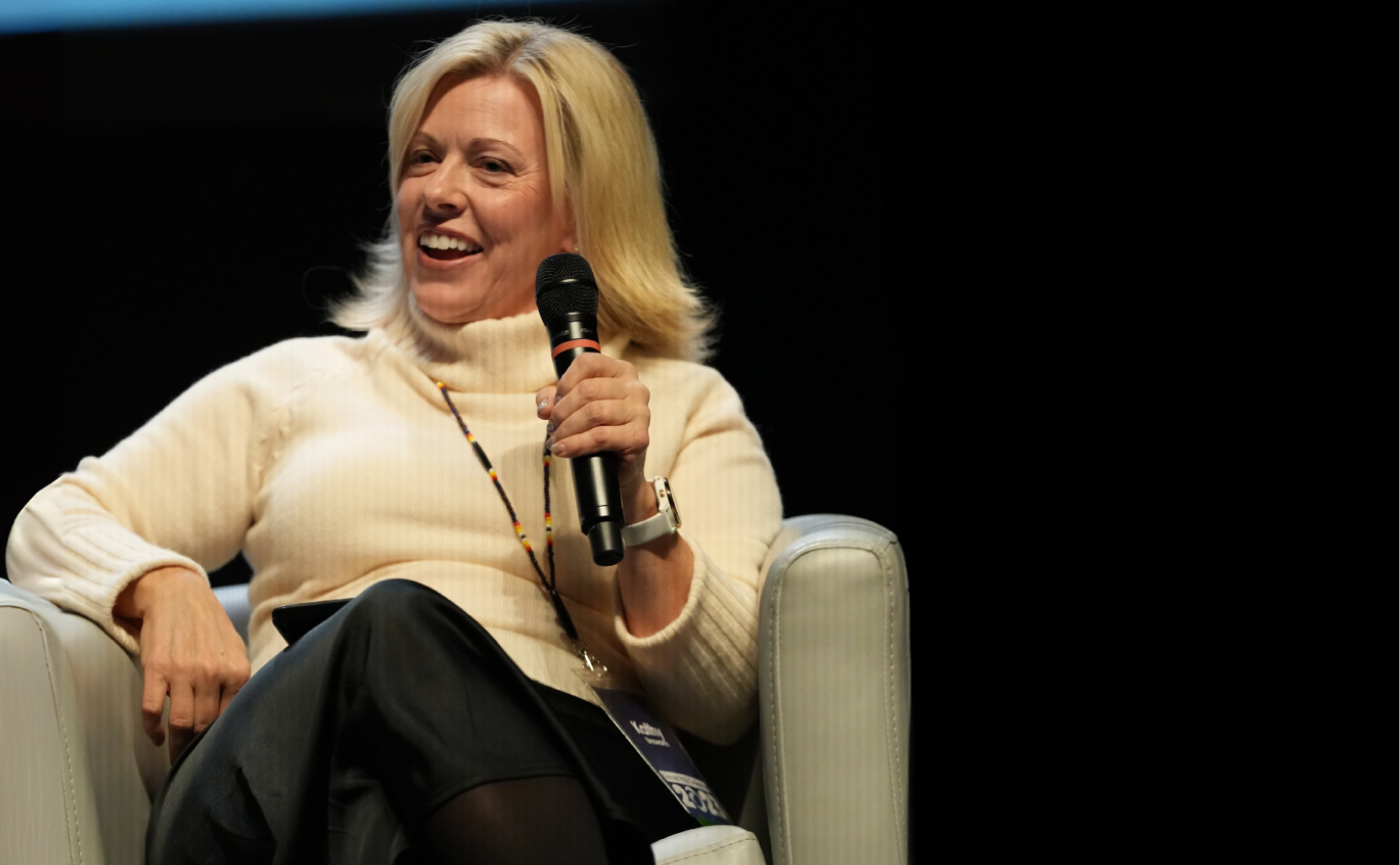
What’s being done
To address this issue, the Mental Health Commission of Canada is working with a number of organizations, including CanFASD, on a National Action Plan on Mental Health and Criminal Justice to support the mental health of people who interact with and work within the criminal justice system.
“The National Action Plan is just that, a plan, not something forced on people,” explains Howard Sapers, executive director of the Canadian Civil Liberties Association, and currently a member of the board of trustees of the Centre for Addiction and Mental Health, the CanFASD board of directors, a member of the Legal Aid Ontario prison law advisory committee, and expert adviser to the Commission.
“It’s not a federal strategy,” he continues. “It’s a call to action to Canada and all the provinces and territories and all the people that work in the systems we’re talking about, including support systems, criminal justice, and hospital-based health care.”
Systemic issues connected to the overrepresentation of people with mental disorders in the nation’s justice system are myriad, complex, and intersect with marginalized populations. Some of these, though, can be brought into focus through the lens of the experiences of some people living with FASD who often literally perceive the world differently than neurotypical folks. For example, in addition to issues with emotional regulation and time management, people with FASD often have memory gaps. Studies have shown that “confabulation”—the process of trying to fill those gaps—can make people with FASD particularly susceptible and vulnerable to making false confessions during interrogation.
One key piece on the path towards preventing wrongful convictions would be to ensure that everyone involved in Canada’s criminal justice system was “FASD-informed.” Recent reforms in Winnipeg serve as a good model for this, since the city has created dedicated courtrooms designed exclusively for people with FASD. That move could help prevent false confessions, in keeping with one of the main goals of the National Action Plan, which is to “divert people living with mental illness and substance use disorders from the criminal justice system whenever possible.”
Kathy Unsworth, executive director of the CanFASD Research Network, leads the national organization that studies and advocates for fetal alcohol spectrum disorder awareness.
A system without support
Unfortunately, FASD is also underdiagnosed or misdiagnosed for several reasons, including both stigma around alcohol use and the profound lack of resources for diagnostic clinics. Experts at CanFASD suggest a conservative estimate is that one in 25 Canadians is on the FASD spectrum, a number that’s significantly more prevalent than other developmental disabilities. Despite this, several provinces don’t even have a single clinic. Sapers says he’d like to see screening at police contact, court contact, and corrections contact, so that, eventually, a smaller proportion of people with this disorder would go through the justice system at all. Especially since it’s tough for jails to be therapeutic and, as the John Howard Society argues, FASD and the criminal justice system are a poor fit.
“The behaviours that are often associated with FASD, such as not following instructions well, are behaviours that can be very problematic in a jail,” says Sapers. “I’ve dealt with individuals living with FASD in a jail that get a lot of institutional disciplinary charges because they refused to follow a direct instruction. Often, though, they’re not refusing. They are just having trouble processing it.”
People with FASD may also lose access to their community health-care providers when they enter the corrections system. In some provinces, including Ontario, health care is administered by correctional services. That can disrupt and derail treatment protocols and interventions.
“We can improve outcomes, and we can improve brain functioning for people with FASD the same way we can improve anyone’s brain health,” says Dr. Jacqueline Pei, a professor in the faculty of education at the University of Alberta. “But we’ve also learned that it’s not a one-size-fits-all solution, and we’re not going to find a magic pill or a clear recipe for interventions that work.”
Pei notes, though, that there has been one important ingredient involved in the recipes for interventions, namely, co-creation. People living with FASD need to play an active role in creating the therapeutic intervention. There are no top-down solutions with FASD. And, speaking in broad strokes, correctional institutions tend to be places with a lot of top-down policies.
To address that, the National Action Plan – scheduled for release in 2026 – aims to support the mental health of justice-involved individuals at all junctures of the criminal justice and forensic mental health systems, including the people who work in the system. Finally, it’s important that continuity of care and support is continued post-release. Sapers says studies have shown that one of the riskiest times for people who’ve been in contact with the law is the month following their release, and there should be programs preparing people for release from “day one.”
Chris Fillion, a FASD advocate, says progress is promising, but there is room for more education and systemic change to incorporate awareness into everyday practice.

Making strides
That brings us right back to the importance of community. Winnipeg’s Chris Fillion, an advocate with lived experience of fetal alcohol spectrum disorder, says a lot of progress has been made towards making services FASD-informed in his city, but there’s still a long way to go.
“It does get frustrating for folks like me to go into hospitals or go into clinics or, say, people who are going to rehab, but when you get there, you find the people working there are not all FASD informed,” says Fillion. “It’s not woven into everyday practice.”
Fillion adds that people outside of the social service sector have a poor awareness of the basics around FASD, and, of course, stigma makes these problems much worse, since it discourages open dialogue.
Getting past stigma and rethinking supports for people living with FASD will involve a lot of heavy lifting. It starts with awareness, prevention, screening, and a recommitment to social services, says Melissa Dobson.
“I’m sure it costs far less to make sure that they have a house over their heads than to deal with encampments and homeless populations and criminal justice issues,” she says. “But I think if you could solve the world for a person who is severely impacted by FASD, you can solve the problems for the world,” Dobson adds. “It’s like building a ramp for the people who have an inability to climb stairs. I think it’s the same. If you could redesign classes, healthcare, and justice to fit those people, it would fit all the people.”
Further reading: Mental Health and Justice — A Call to Action.
Fact sheet: Common Mental Health Myths and Misconceptions.
Author: Christine Sismondo, PhD, is a historian and a regular contributor to the Toronto Star and other publications. She writes regularly about drug policy, intersectional feminism, and healthcare, and has received both a Canadian Online Publishing Award and a National Magazine Award.
Illustrator: Remie Geoffroi
Related Articles
Each year, The Catalyst brings forward stories that deepen understanding, spark dialogue, and highlight the power of lived and living experience. We invite you to revisit or discover the moments that shaped our year.
Happy reading!
The best advice from advocates: talk about the issues and use terms that people use to refer to their own lived experience.
How spending time in, on, or around water can reduce stress, encourage physical activity, and kindle social engagement.
“Unmasking” is the theme for this year’s Mental Health Week – meaning to remove the “mask” that people living with mental health challenges often wear to protect themselves from stigma.
“Put somebody into housing – then look after their needs.”
There’s much more to come in 2026. Make sure you don’t miss a story by subscribing to The Catalyst.
Related Articles
The holidays can bring joy, complexity, and everything in between. These Catalyst stories share the experiences, challenges, and small moments of light that shape this time of year. Whether you’re celebrating, coping, or doing a bit of both, we hope these stories offer support along the way.
Four bandmates, four decades of musical discovery. Documenting shifting understandings of temperament and temperance. This isn’t just music; it’s resilience, renewal, and reckoning, woven into a story that could be a song.
When your sibling goes down the rabbit hole, how do you find a loving and healthy way to stay connected?
When we speak openly about challenges, illnesses, problems, and wellness, we recognize that mental health is part of our overall health. Such conversations can be a gateway to meaningful change, and the holiday season feels like an especially good time to tackle the complexities and multitudes of our mental health.
Living with a mood disorder means deliberately seeking out small sparks of joy. On moving through cycles of moping, coping, and hoping during the holiday season.
Over the holidays my inner voice proves to be the most critical as I straddle the pull of a commercial Christmas and the deep-seated draw of Kwanzaa. On tackling the minefield of tackiness, tinsel, and trappings of the season.
Related Articles
For 15 years, I hid my mental illness from the world, terrified that if anyone should find out my secret, my life as I knew it – the family I had fought for, the friends I had surrounded myself with, the career I was building – would be over.
My self-stigma and shame were overwhelming, thinking that living with mental illness made me broken and defective. My fear of stigma from others was enormous, fearing prejudice and discrimination that would inevitably (in my mind) come from any disclosure about my bipolar disorder.
When a student at the school where I was working died by suicide, and the school’s answer was to ask the school community not to talk about suicide “out of respect for the family,” I saw the effects that silence around issues of mental health and mental illness can have. The students got the message that mental illness and suicide are not acceptable and should be hidden. I knew I had to do something. So, I began to share my story – my struggles as a student, wrestling with suicidal ideation, undergoing treatments like electroconvulsive therapy, medications, and talk therapy – in the hopes that my sharing could help restart the conversation at that school and make mental illness part of the conversation.
Fear of disclosure
I was terrified to share my story. I didn’t know how my colleagues, my superiors, and my students would take my admissions of living with a serious mental illness. Would they lose respect for me? Would they choose to distance themselves from me once they knew? But opening up was also a huge weight off my shoulders – I would no longer have to hide the struggle that was such a huge part of my existence. I could finally bring my whole self to work, where I spent one-third of my life. Sharing my story was not without its risks, but it also stood to bring great benefits.
The first time that I told my story, I was met with overwhelming love and support from my community. It did indeed start the conversation in a meaningful and productive way. It was my students who dubbed me the “StigmaCrusher,” and after I got that first taste of success in reducing stigma and inspiring change, I couldn’t stop. It felt so empowering and freeing to be open about my mental illness. It still does, every time I share my story.
When I share my story in person, I tend to get a lot of support and very little challenge. But sharing it in print (particularly online) opens me up to a lot of keyboard warriors who do not hesitate to share their uninformed views of my experience with me. As difficult as it is, the best thing to do is to ignore these prejudiced and ignorant comments as baseless. Even as I try to educate and crush stigma, there are some comments that are just not worth replying to. My lived experience is just that – mine, and I am the expert.
Contact – having genuine interactions with a person with lived experience of mental illness – is the single best way to combat stigma, according to research, and so sharing my story is necessary. But it is not for everyone, every time. In the 12 years that I have been speaking and writing about my experiences with mental illness, I have received my share of negative, stigmatizing, and ignorant feedback. Here is a sample of what I regularly deal with, and how it affects me:
Common responses
“You’re just a slave to Big Pharma.”
Big Pharma is a bit of a boogeyman for people with lived experience of mental illness. In the current medical context in the Western world, medication is the first-line treatment for most mental illnesses, often first prescribed by a family physician with no specialized training. It is the first, best hope for feeling better, but it comes with unwanted side effects and long wait times to see if it is going to work or not. The decision to try medication is often fraught (I know it was for me) and is a defining moment in the struggle with one’s mental health, and so this comment (and other criticisms around medication) can be difficult to take.
“Psychiatry is a sham, and you are just buying into it.”
I get this feedback a lot. There is a whole antipsychiatry subculture that comes out of the woodwork when I share my experiences with treatment for mental illness. When I was new to telling my story, I spent a lot of time and energy justifying the project of psychiatry and my place in it as a patient, but for the antipsychiatry crowd, these justifications fall on deaf ears, so I have given up.
“ECT (electroconvulsive therapy) is barbaric, and you are an idiot for letting them do that to you.”
ECT caused permanent brain damage in me, unfortunately, but it also saved my life. I used to spend a lot of time trying to educate commentators about the modern use of ECT in psychiatry, but now I realize that I am never going to change their minds and just let folks have their say.
“You’re crazy, and they let you adopt a baby?? Isn’t that unfair to the child?”
This is the comment that hurts the most, because my mental health was part of the equation when we were adopting my son. I chose not to carry a child because I did not want to risk passing my bipolar disorder on. So, when we decided we wanted to have a child, adoption was the natural choice. Throughout the process, I was assessed and reassessed for fitness due to my mental illness. I had to have written attestations from my psychiatrist and my therapist stating that, in their opinions, I was fit to parent. And like any parent, I constantly wonder whether I am doing it well (because children do not come with a manual). So, this is a bit of a tender spot for me, and when commentators poke at it, it is raw. Parenting is an ever-present topic of conversation in my therapy sessions because it is such a big part of my life, but I also counter these types of comments by intentionally spending time with my son and seeing what an amazing kid he is.
“If you are working through your episodes, then you are obviously not that bad. There are a lot of people who are worse off than you.”
I have always been very “high functioning,” which for me looks like being able to continue to work (or study) even when I am very unwell. I completed my PhD in between hospitalizations and ECT treatment. I worked through ketamine therapy and only took two weeks off when I had my deep-brain stimulator implanted. I struggle mightily, but I get the accommodations I need to still manage to do what I need to do to get through at work, even if I collapse into a heap as soon as work is done. Even as I write these sentences, I am feeling the need to justify myself. Having someone – particularly someone who doesn’t even know me – judge how badly I am or am not doing is hard, especially when I am not doing well. There is always going to be someone worse off than me, but that does not negate my suffering in any way. (Also, it’s not a competition).
Swift response
I have been fortunate not to lose friends or employment after I disclosed my mental illness. People do, but I have not. But I have had to grow a bit of a thicker skin to ward off the stigmatizing and ignorant comments that, unchecked, can worsen my mental health. I have had to strike a balance. In the wise words of Taylor Swift – “haters gonna hate…I’m just gonna shake it off.” Most often, my story elicits others to share their own or their loved ones’ experiences of mental illness and prompts good and well-meaning questions about my lived experience. Most people are kind and genuinely curious. It is an overall positive experience, sharing my story, and it has done a lot of good.
Author: Jessica Ward-King, BSc, PhD, is a mental health advocate who blends academic expertise and lived experience and writes regularly for The Catalyst.
Illustrator: Kasia Niton – https://sunnystreet.studio/ Instagram: @sunnystreet.studio
Related Articles
The 16 Days of Activism Against Gender-based Violence is an annual international campaign that begins on November 25, the International Day for the Elimination of Violence Against Women, and goes until December 10, Human Rights Day.
When Joshua Hopkins learned that his older sister and two other Renfrew County women were murdered in one of the worst incidents of intimate partner violence in Canada’s history, the news was too shocking for him to process.
As more information emerged in the aftermath of the September 2015 murders of Nathalie Warmerdam, Anastasia Kuzyk, and Carol Culleton—by a former partner to all three—Hopkins, despite his numbness, pain and disbelief, did have one crystal clear realization.
“It really should not have taken my sister’s murder for me to understand how misogyny and domestic violence affect the society that’s around us,” he says. “I think, often, when men hear the terms ‘domestic violence’ or ‘violence against women’, it sounds like a women’s issue, but it’s not.”
Gender-based violence (GBV) and intimate partner violence (IPV) are increasingly being seen in a new light, one that re-frames the violence as a systemic issue that we have a shared responsibility to prevent. And, in response, men are stepping up by establishing initiatives to address these issues and owning the crucial role they play in changing a culture that helps sanction gender-based violence.
“It’s so important for us, as men, to act as allies,” says Hopkins, an acclaimed opera baritone. “We have to stop putting blame on the victims and focus the lens on the abusers, which, statistically, are mostly men. We need to focus on why men are so angry.”
For his part, Hopkins worked with composer and pianist Jake Heggie and poet/author Margaret Atwood to create Songs for Murdered Sisters, a song cycle that underscores how these murders are part of a pattern of violence, not only individual tragedies. The song cycle has been performed live in multiple venues, including a sold-out performance at Carnegie Hall earlier this year. A Juno-nominated album version and a film version are also available through the initiative’s website.
Despite an increased number of organizations working to prevent gender-based violence, it’s still prevalent in Canada. According to Statistics Canada, more than two-thirds of solved homicides of women and girls between 2009 and 2022 were gender-related. The past decade has seen an increase in gender-related violence, and 2022 saw an unprecedented 184 Canadian women and girls murdered—mainly by men. Nova Scotia, British Columbia, New Brunswick, and more than 100 municipalities in Ontario have recently declared gender-based violence an epidemic.
Benefits for men
As with many forms of abuse, intersectional identities play a role. Indigenous women and girls, newcomers, racialized and marginalized women, 2SLGBTQI+, non-binary people, women with disabilities, and women in remote and rural communities have an elevated risk of experiencing GBV. Preventing violence against vulnerable populations is a matter of human rights and a fundamental component of building an inclusive society.
Leading the charge to address this public health crisis are a number of well-established Canadian projects and organizations including the Courage to Act Foundation and initiatives run by the Canadian Women’s Foundation, as well as an increasing number of initiatives led by men, including Men &, White Ribbon, and Next Gen Men, all of which emphasize the crucial role men have to play in preventing GBV. And some of the organizers say that participants are often surprised to learn that the work that goes into changing the culture of masculinity has plenty of benefits for men.
“Men’s mental health is an entry point for having a conversation about how we can challenge and break down the systems that are harming everyone,” says Next Gen Men’s Trevor Mayoh.
“Over one-third of men will not talk about mental health in the workplace because they feel like their job could be at risk,” he explains. “Men tend not to take proactive care of their health generally. Instead of going to a doctor when a problem starts, they’re more likely to hold out until it gets bad.”
Mayoh associates this inability to admit vulnerability—a key trait in what some call “classic masculinity”—with epidemic health problems that disproportionately impact men, including opioid overdoses, chronic loneliness, social isolation, and suicide deaths. Roughly 75 percent of people in Canada who die by suicide are men, according to research from the Mental Health Commission of Canada.
“We have this culture that absolutely does privilege men, albeit, looking at it through an intersectional lens, some men more than others,” says Mayoh. “That same culture is quite literally killing men too, though, so men have skin in the game and a key role to play in terms of dismantling the patriarchy.”
Messages about the patriarchy and privilege, he notes, aren’t always easy for men to accept when they’re struggling with pain, stress, and family crises. To encourage meaningful conversations about rethinking masculinity, organizers have found it’s often helpful to create men-only spaces where they can feel safe and comfortable with making mistakes and being “messy.”
Through Next Gen Men’s extensive work, the organization has found that the two primary things holding men back are a fear of getting things wrong and the fear of being cancelled. When they’re in a room with people who look and sound like them, it can feel safer.
“This shift has to happen on a peer-to-peer level,” says Mayoh. “It’s not going to come from driving down the street and seeing a billboard saying, ‘Don’t hit someone’; It’s going to actually come from when a friend in a locker room or in the car says, ‘Hey, that’s not funny.’”
Meaningful change
Men taking an active role in the prevention of gender-based violence, then, is essential. One notable instance of this is Rita St. Gelais, a licensed psychotherapist working with men in Alberta who have a history of abuse and are looking to change their behaviours.
“If you’re going to address domestic violence and try to end it, you need to go to the source, which is the people who are choosing violent behaviours,” says St. Gelais. “However important it is to work with people who experience domestic violence, we’re not going to end it that way.”
Most of the resources allocated to support people in violent relationships are, quite understandably, earmarked for people who have experienced violence. Getting serious about stopping a cycle of violence requires investing in the people who want to change, though.
“I think there’s a strong stereotype that these people are monsters consumed by rage at all times,” St. Gelais explains. “If you can see them as people and move past that initial gut reaction, meet them where they’re at and give them dignity and respect while maintaining dignity and respect for the people that they’ve hurt, then it’s possible to help people who want to change.”
It’s a big job, one that involves a lot of dark and heavy material. It can be so emotionally taxing, in fact, that it prompted her to found an initiative called Two Chairs, which aims to make it easier for therapists to get therapy. People working in this space need to prioritize self-care, but, as St. Gelais explains, sometimes those who preach the importance of caring for themselves don’t take their own best advice.
Despite the emotional toll, St. Gelais finds her work deeply fulfilling. It’s also deeply necessary. When the Renfrew County inquest into the triple murder committed finally concluded in 2022, several of the 86 recommendations for change involved therapeutic interventions for men with similar histories to Basil Borutski, the convicted murderer of three who died in prison in 2024.
“Basil was in and out of jail for various assaults within the course of his life, but it didn’t change his behaviour,” says Joshua Hopkins, noting that Borutski was ordered by the courts to enroll in an anger management program but skirted it.
Many advocates, folks at risk and families of victims have called for profound changes to the justice and carceral systems, noting that they lack resources to prevent gender-based violence. Some even question the carceral approach and advocate for early education programs, projects to change the culture of masculinity, and investing in mental health supports.
“This idea that we’re just throwing men into jail without some kind of rehabilitation or being able to teach them a better way of dealing with their anger and stress, isn’t going to bring change,” he continues. “Programs that deal with this issue and are able to make real change are vital.”
Further reading and resources: The Manosphere and Mental Health.
Author: Christine Sismondo writes about personal and public health and other contemporary social issues from her office in Toronto.
Illustrator: Kasia Niton – https://sunnystreet.studio/ Instagram: @sunnystreet.studio