

Minnesota is “absolutely stunning,” says Troy Miller. He travelled to Minneapolis from his home near Calgary, Alta., this past March to conduct mental health training workshops through the Mental Health Commission of Canada’s Opening Minds program, arriving at the tail end of a massive snowstorm. Miller was dazzled by the beauty of the state’s frozen lakes, dark conifers and deep snow, but he was well aware of what the city had recently been through. The chaotic arrival of armed ICE agents had led to the sudden detention or disappearance of friends and neighbours and the killings of two protestors.
Minneapolis has experienced an inordinate amount of trauma in recent years. The killing of George Floyd triggered a wave of protests that swept across the United States in 2020. In 2025, a state politician was assassinated, and there was a mass shooting at a Catholic school that killed two children and injured 17 other people. “These are ordinary people experiencing extraordinary events. That we all are witness to. We are watching history evolve here in real time. It’s important to understand that they’re impacted as well,” Miller says.
Miller is no stranger to witnessing trauma, having served as a paramedic and firefighter for 25 years. In his current role, he facilitates workplace courses across North America in sectors ranging from first response to health care, trades, and law. Each course has a common goal: to start conversations about the often-taboo subject of mental health in the workplace. As Miller points out, first responders have long suffered higher-than-average rates of depression, anxiety, substance abuse, and suicide. In the past, the attitude toward people suffering work-related psychological stress injuries in any sector was “suck it up.” But Miller is among many who now realize that that approach only makes matters worse. In the Commission’s Working Mind courses that he leads, he works to “normalize” discussions of mental health in the workplace: he wants mental health to be addressed as openly as physical health and safety. “We’re all better off than we were 25 years ago,” he says, when it comes to acknowledging the risks and dangers to mental health in all workplaces. The Working Mind courses have proven effective training tools for supporting this awareness. “They’re very up to date. They’re factual, they’re all research driven. That’s one of the hallmarks of these courses. We’re not making this up as we go. This is the data-driven stuff that is timely and effective.”
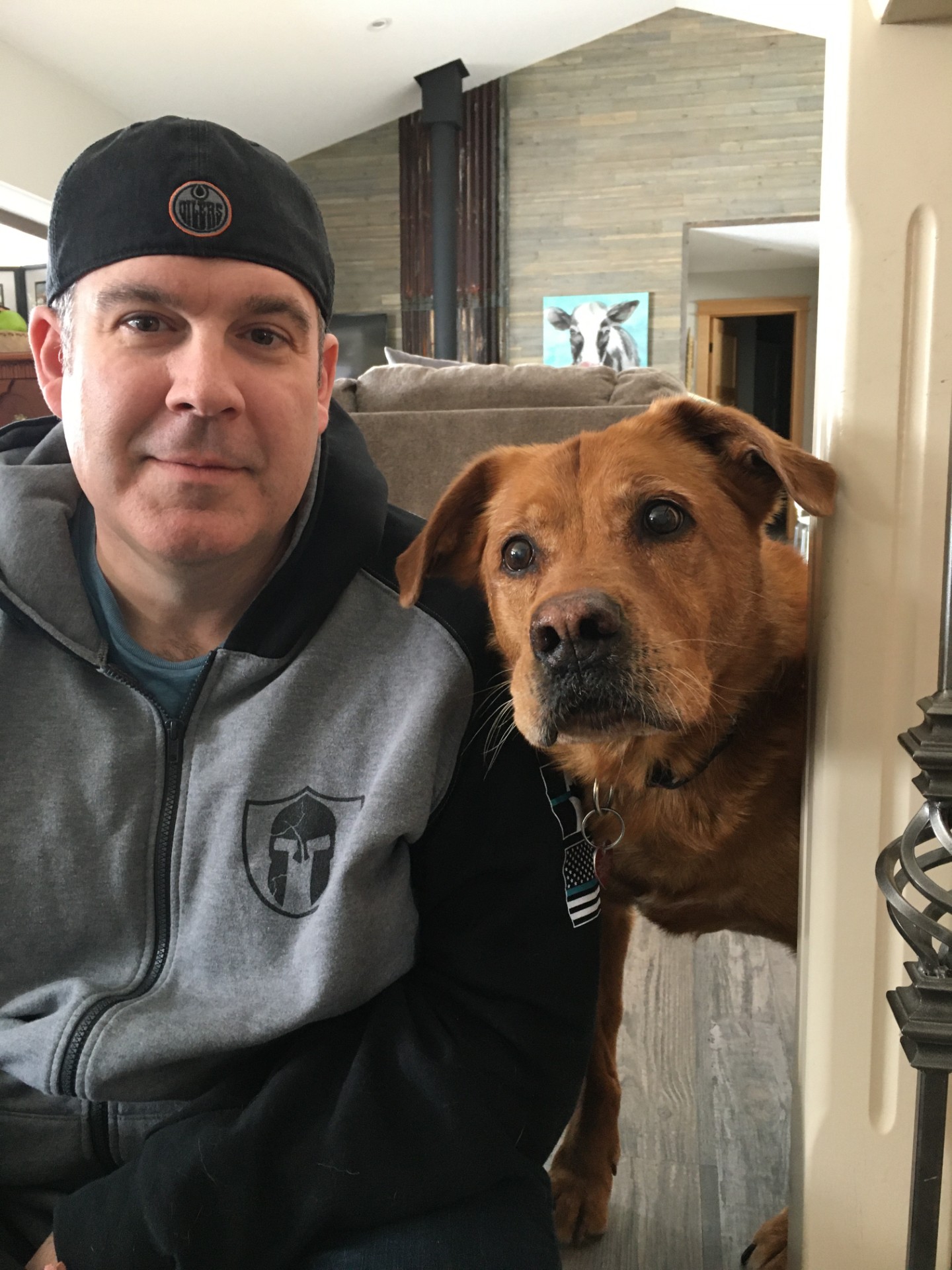
Troy Miller
Still, challenges to mental health will always exist, especially when communities are tested by circumstances as extraordinary as the ones Minneapolis has experienced in recent years. When Miller visited in March, he says he sensed “an undertone of grief and sadness” in the people he met, and a uniquely urgent desire to discuss not only workplace stresses but also how what was happening in their families and the wider community was affecting them and their colleagues. “The feeling seemed to be that they never got a break from the trauma; the stressors just kept coming,” says Miller.
The Minneapolis participants jumped at the chance to engage in conversations and connect with one another. They were also keen to explore The Working Mind tools (detailed on the Commission’s website), including the RAMP (Reflection, Action, Movement, and Practice) framework, which is designed to be used in any workplace.
The Working Mind program is built on research and experience, and it includes the most valuable tools possible. “It is so hard to be in the moment and realize that your mental health is being impacted. So, we provide an opportunity to look at different signs and symptoms of change as mental health worsens. And it’s that discussion, that recognition that’s often a light bulb moment in these programs.”
The course starts with a discussion of the stigma around mental illness. Participants then move on to talk specifically about how mental health should ideally be addressed in their workplace. The facilitator guides them along a continuum of understanding. Which behaviours are healthy? Which ones are reactive? When is a person actually injured? When do they become mentally ill? What actions can individuals and organizations take at every stage to tap into their strengths and work toward maintaining and restoring stability?
“I think everyone recognized that this was a safe space to add their voices to a quiet discussion of their stresses from work, family, the whole community — to share their experiences and say, ‘This is what is happening to me’ without fear of stigma,” says Miller. That in turn, led to a rich exploration of “what a truly resilient person looks like.”
After the course, the leaders of the host organization told Miller that they and their employees were grateful to have engaged in such an enriching exercise at a time when their community was under heightened stress.
What did Miller learn from the resiliency of people in Minneapolis? He says he is likely to broaden the scope of discussion in future workshops beyond what’s going on in the workplace to include what people are experiencing in their wider world, as this is a crucial part of each individual’s mental health picture. “I think it’s created a little more awareness, for me, about just how much the everyday stress of life can impact us. And when it’s on a different level, like they have experienced as a community [in Minneapolis], we as facilitators need to have a look at the background, at the community, to address those things as well.”
Miller’s experience in Minneapolis has reinforced for him how critical it is for everyone — no matter their profession or where they live — to be mindful of the elements of individual and collective experience that affect mental health. He plans to take that perspective forward in The Working Mind courses he’ll be facilitating in communities around the continent in the coming months. It comes down to recognizing that while unique and possibly even extreme circumstances affect individual mental health in different ways, we can all learn mental health truths from each other.
“No matter who the person is, or what the organization is, mental health is a universal topic. There isn’t one of us who is not impacted by the changes in our mental health, and it doesn’t matter your location on the globe.”
