
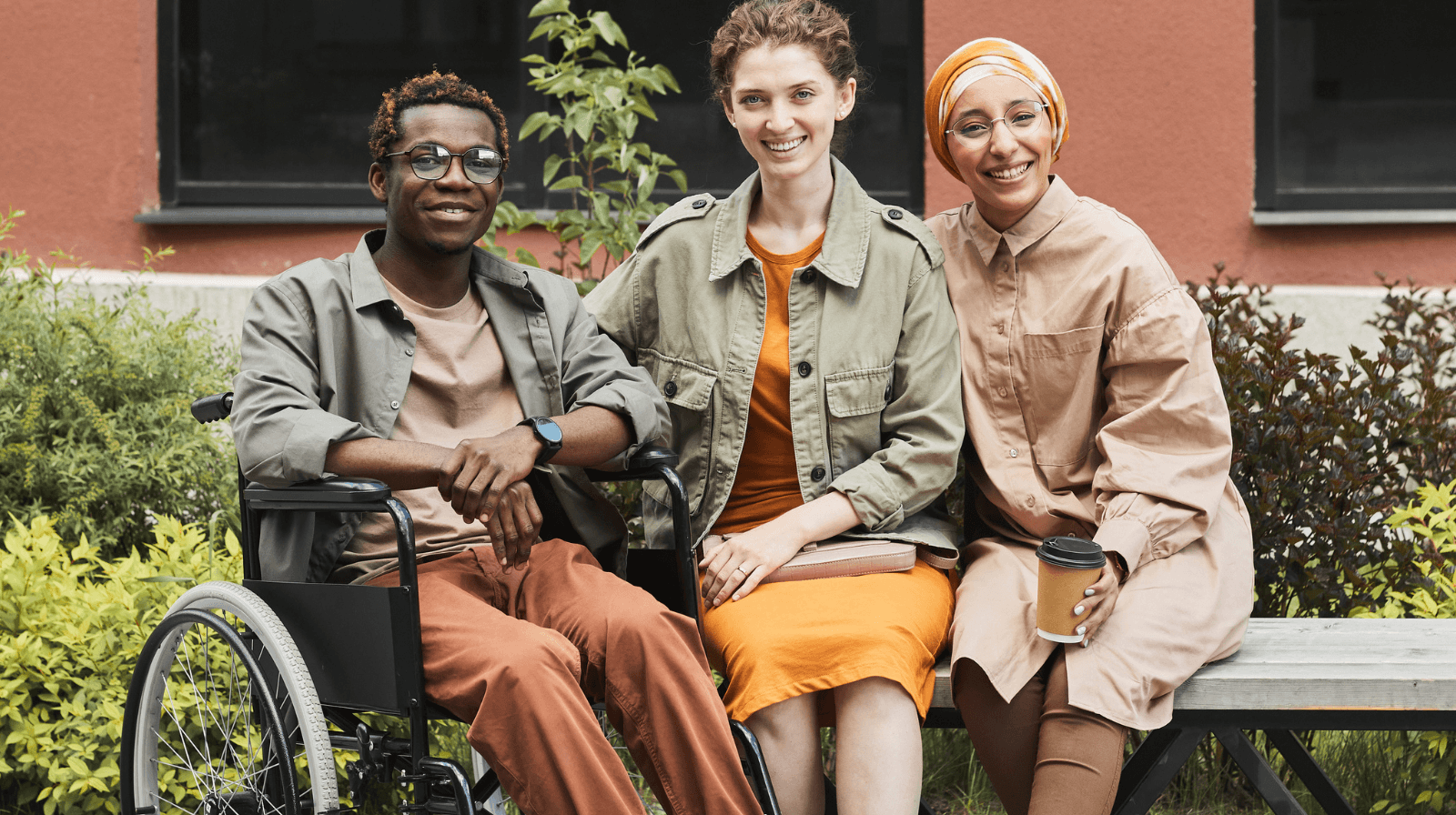
When we think about what makes something accessible to someone in the context of disability, we tend to consider three main things: Is there a ramp? Is there an elevator? Is there a button to access the entrance? After those three questions are answered by a venue or an event planner, we often think that our responsibility to make an event “accessible” is done. There is an unspoken belief that these three things make up accessibility in its entirety, but as all will tell you, it is much more than that. There is something that we don’t talk about enough when it comes to accessibility, and that is carrying the mental load of accessibility with you everywhere you go as a disabled person, and how that actually feels.

Andrew Gurza
As a power wheelchair user with severe disabilities, I know that finding out if somewhere is accessible, and whether or not I can actually go, can take weeks of planning and preparation. Let me give you an example. A couple of months ago, I found out that one of my favourite comedians was making a stop in Toronto. The second that I saw the date listed, I jumped at the chance to go. I hopped on the web and went to look for accessible tickets. I found what I thought were appropriate seating options, bought the tickets, and clicked off the website. Now, you might think that this is the end of it — that I bought the tickets, I’ll go to the show, and I’ll have a great time, right? If I’m honest, buying the tickets is where the real planning actually begins. From here, the true mental load takes shape, and it can start to have a real impact. Let me show you how:
After buying the tickets, I had to go on the website for the venue and scour through tabs and all the fine print to determine if the venue would meet my specific accessibility needs. It can be exhausting to do this because every venue has a slightly different understanding and interpretation of what accessibility truly means. Some venues will say that “just one step” is fully accessible, while some might say that a “bathroom downstairs with limited elevator access” is also fully accessible. Having to do that detective work just to enjoy a night out definitely takes a mental toll.
Add to that the fact that to see this comedian, I also have to consider how long the event is, so I can determine whether or not I’ll need specialized caregiving within that time frame or if I’ll be okay to go solo. To put it simply, will I need help to pee here? Or will I be okay to not pee, drink, or eat for this amount of time? People may not understand that every person with a disability isn’t automatically given a caregiver to assist them with everything; we often have to hire them on our own, and that can also have an effect on our mental health and our finances. If a caregiver you trust isn’t available and you have to take someone new who may not know your needs, or you can’t find someone at all, there is an added layer of stress. As for the financial stressor, care is often costly, so you have to do a complete time-cost analysis before ever leaving your house.
And we aren’t done yet! From here, I look into whether or not I can book a para-transit bus to get to the event. I’d have to book this bus a week in advance and know the precise start and end times of the event to know the exact times I could get a bus there and home safely. Many times the bus will drive you for an hour and a half before you reach your destination. Imagine leaving your house to go to an event in your city and not knowing whether your ride will be 10 minutes or two hours.
If I’m honest, all of these things weigh on me so much when I think about access and accessibility that, oftentimes, I’d rather just stay home. Staying home feels so much safer because I know that I can access all the things that I need as I need them, and I don’t have to worry about the ableism and inevitable inaccessibility I will encounter while out. But if I don’t go out, I’ll have fear of missing out because of lack of inclusion, and that can be very difficult to manage. It can make the whole idea of leaving my house seem like a gargantuan task, and I feel instantaneously jealous of non-disabled people, who don’t have all these extra tasks to contend with. It never really feels fair.
To underscore the impact accessibility has on disabled people’s mental health, I spoke with qualifying psychotherapist Kristen Williams, who has lived experience of disability:
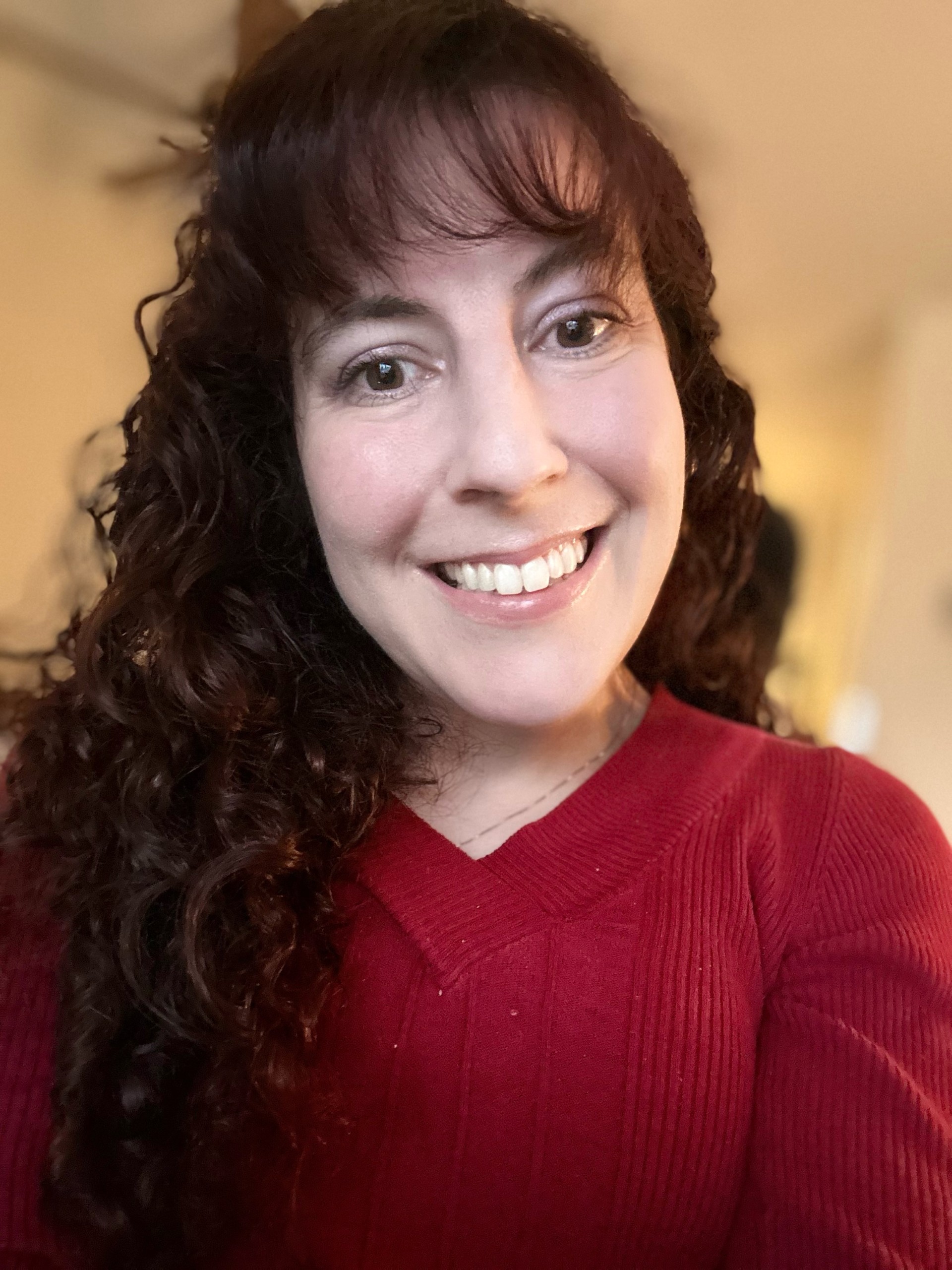
Kristen Williams
“Accessibility is important to our mental health because it minimizes isolation and maximizes opportunity for connection. Lack of accessibility results in increased loneliness, real and perceived feelings of being unwanted and unwelcome, which over time can erode mental well-being. Non-disabled people take it for granted that they are going to have their basic needs met in public spaces, creating a sense of navigating the world with ease. This type of ableism has a profound impact on the mental health of disabled people, and I see it consistently in my work with disabled clients.”
As we can see, feeling like accessibility is your problem and responsibility creates feelings of being a burden for disabled people — including me. So, what can be done to alleviate this feeling?
To fully address the burdensome feeling that disabled people carry with them around accessibility, we need more community support. We need venues, vendors, and ticketing agencies to understand that by not providing clear accessibility information, they are negatively impacting the mental health of disabled people.
We also need more artists to take an active position on accessibility by agreeing to livestream events at accessible prices, so that if fans can’t physically attend, they can still have access to that experience. By doing this, the artist will be helping the mental health of disabled people by showing that access can look different for different individuals, and that is so important.
I could write 10 more paragraphs about all of the things that everyone could be doing (because believe me, there are so many more), but I think that one of the most important takeaways from all this is to recognize that accessibility isn’t just something you can tack on at the end of something. It has real-world consequences. People always presume that disabled people are sad or have bad mental health because they are disabled, but I would argue we are sad or angry because of the mental gymnastics we have to perform just to go out or socialize like everyone else. That’s a mental load that no one should have to carry by themselves.
