
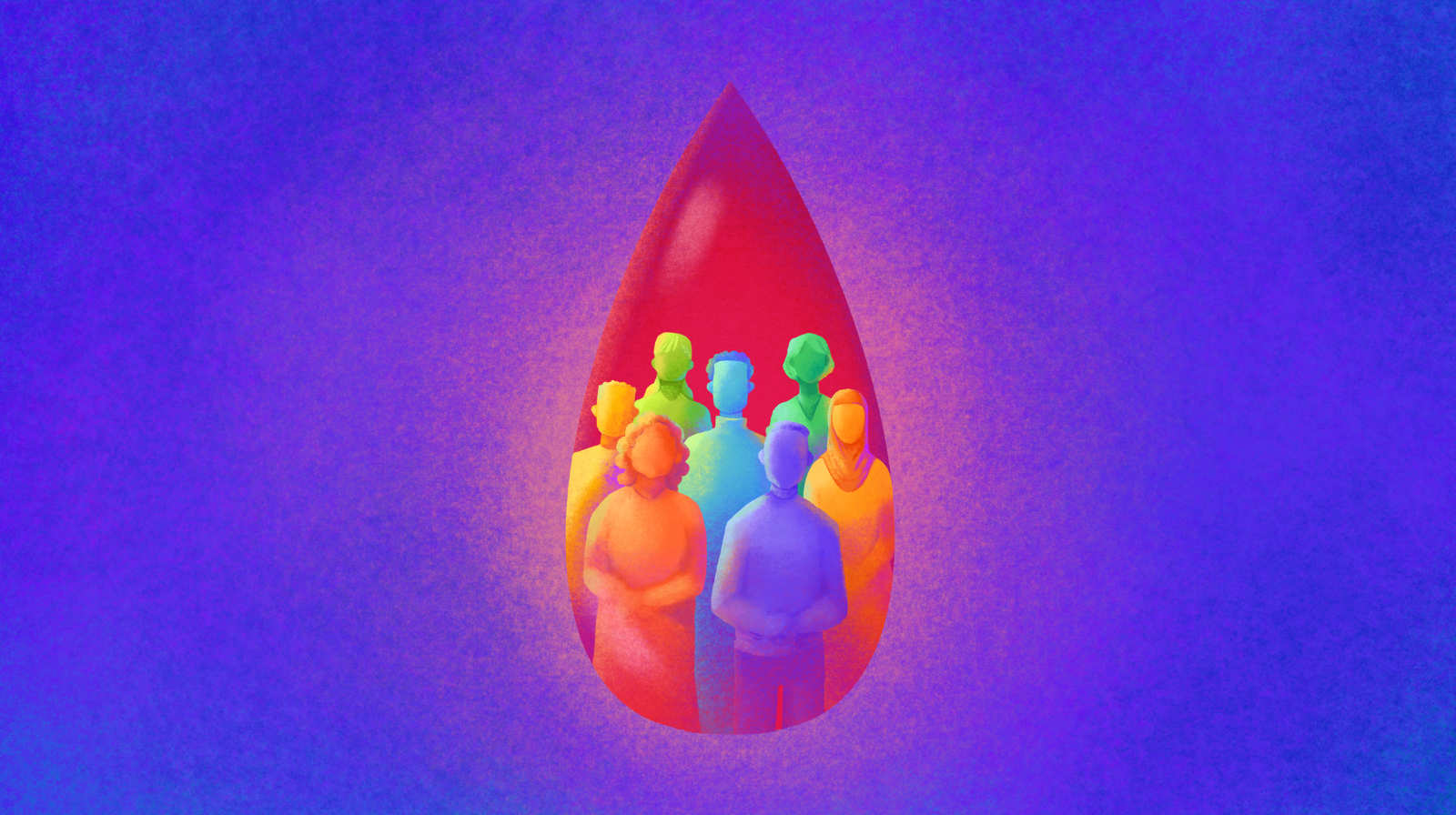
When Sarah Ford agreed to speak with me about the Canadian Hemophilia Society’s upcoming name change, I’ll admit my knowledge of bleeding disorders was limited — largely informed by pervasive myths and misperceptions.
During our conversation, my understanding deepened, and the parallels with mental health became impossible to ignore: intergenerational trauma, vigilance born of past harms, the weight of stigma, and the challenge of reaching those who don’t yet know they need help.
This is familiar territory for the Mental Health Commission of Canada. And it’s proof that our health challenges, while distinct, share common threads.
The Canadian Hemophilia Society gets a new name
After 73 years, the Canadian Hemophilia Society is poised for a major change. The organization will soon become formally known as Bleeding Disorders Canada.
Sarah Ford, the non-profit’s CEO, recognizes that with a new name comes a new identity.
“Reaching a consensus on something this momentous is never easy,” says Sarah on a Zoom call from her Montreal office. “It’s walking a fine line.”
On the one hand, it’s imperative to honour a rich and storied legacy that dates back to the organization’s founding in 1953. On the other, there is a need to broaden the tent to include people who’ve been historically underserved.
As Sarah navigates this delicate balance, she’s always mindful of the resilience and determination of this small but mighty community — one that has borne an outsized burden.
When a life-saving treatment turns deadly
“Before treatments were available, hemophilia could have been life-threatening, more or less,” she reflects.
The disorder prevents blood from clotting properly, which can lead to internal bleeding and harm to joints. The knees, ankles, and elbows are especially vulnerable. When bleeding occurs in a vital organ, it can be life threatening.
“Then in the 1980s, you had this incredible moment of optimism.”
Sarah is referring to the advent of clotting medications extracted from donated blood, with thousands of plasma donations being pooled into a single batch. These concentrates were able to treat internal bleeding via small infusions, and individuals no longer had to be hooked up to a machine for days.
With this breakthrough came fresh hope — until it was revealed that thousands of people who had received these life-saving treatments had become infected with HIV and hepatitis C as a result of a contaminated blood supply.
“That nascent hope was crushed overnight,” says Sarah. “Many died from the very treatment meant to save them.”
Keeping history close
Decades later, the fear, anger, and grief remain fresh for those who were affected by the contaminated blood supply.
“A woman who lost her father, brother, or uncle at that time, and is now contemplating giving birth — how can we not describe this as intergenerational trauma?” asks Sarah, who felt compelled to memorialize these experiences.
“We need to keep our history close so that we can continue to learn from it. It’s about honouring the previous generations, while protecting those coming up after.”
This felt especially important in the lead-up to a name change. There needed to be reassurance for those early advocates that they would still be very much in the fold.
Led by volunteers, Sarah put the wheels in motion to build a digital national memorial dedicated to those who died and whose lives were forever changed — a reminder of the heavy toll of the past and the need for ongoing vigilance and advocacy.
She anticipates a year of behind-the-scenes work to gather the content and personal reflections that will immortalize the tenacity of those dealt a double blow: first an inherited bleeding disorder, then a diagnosis of HIV or hepatitis C.
“The bleeding disorders community is made up of people who were failed by a system that was supposed to protect them. But because of that, they are among the most savvy, literate, and tireless advocates.”
That watchdog role (what the organization calls hemovigilance) remains critical. And it is one that benefits not just the tight-knit bleeding disorders community, but many others who may need transfusions for various medical reasons.
“We need to make sure the systems are in place to avoid these kinds of preventable public health disasters.”
Next year, 2027, will mark 30 years since the seminal Krever report, which recommended sweeping reforms to ensure a safe blood supply.
“We can’t let these harms from the past become part of a more faded history. We are standing on the shoulders of those who lost so much.”
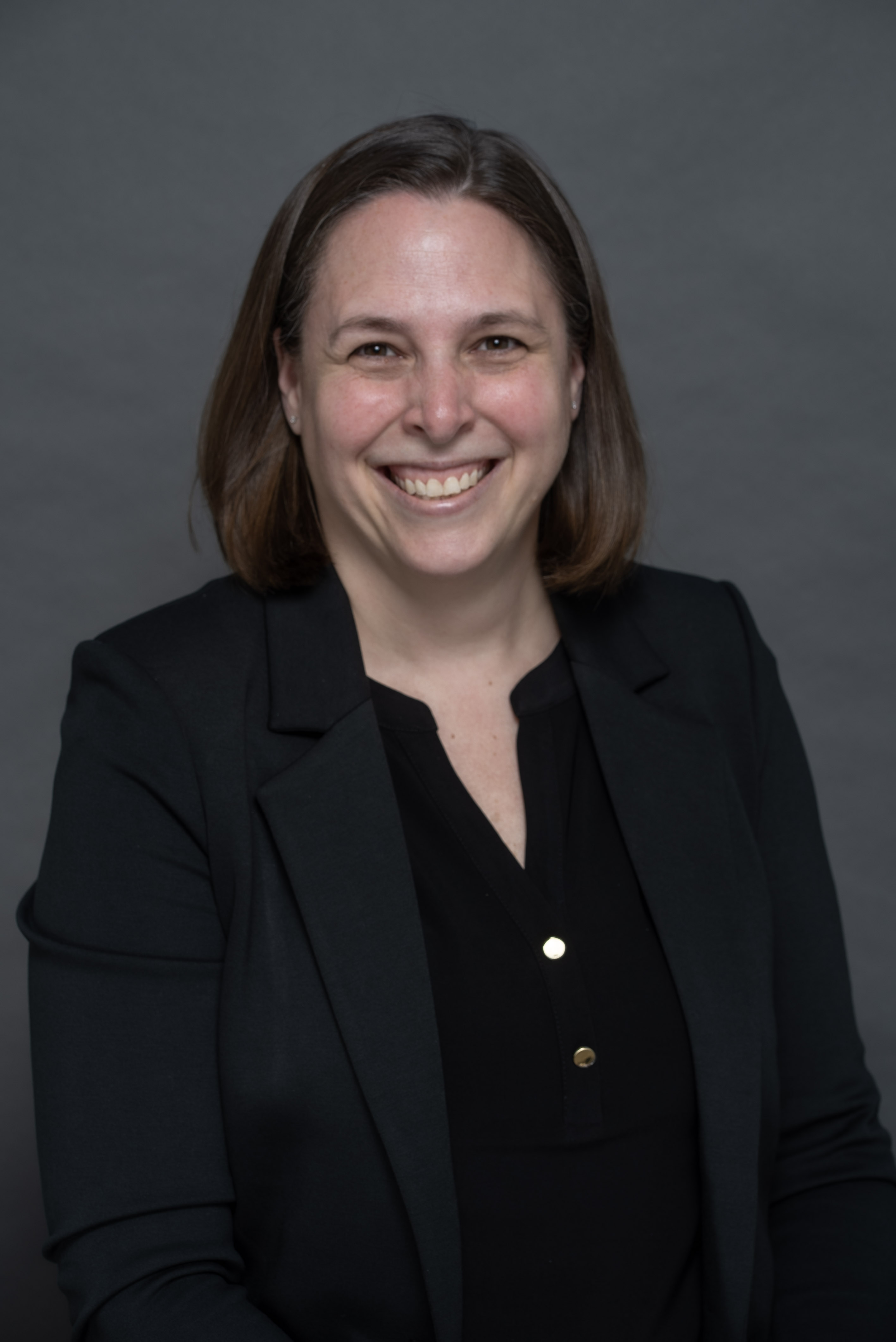
Sarah Ford
More than skin deep
The psychological toll of living with a bleeding disorder runs deeper than the tainted blood tragedy. Globally, some 47 per cent of people living with a blood disorder experience anxiety.
This can be compounded by the stigma attached to an inherited condition, whether it’s fear of insurance complications, workplace discrimination, or concerns about alienating a potential life partner.
“These aren’t abstract worries,” Sarah explains. People make real decisions about disclosure, career paths, and relationships on the basis of fear of how they’ll be perceived.
Inherited bleeding disorders remain prone to mischaracterization. Hemophilia has been mythologized as a disease of the royal line. This is technically true, because Queen Victoria passed hemophilia on to her heirs, but it’s certainly not limited to blue bloods. There is still a pervasive idea that people with hemophilia might bleed to death from a simple cut. Or that hemophilia is exclusive to males.
These misunderstandings matter. They affect diagnosis, treatment, and how people understand their own experiences.
Building a bigger tent
As the original cohort of advocates ages and innovative treatments for hemophilia, like gene therapies, come online, the organization’s shift toward a more inclusive name makes it easier for people to find community and support without having to navigate outdated perceptions.
Sarah ticks off populations that could be better served: women and girls, those with von Willebrand disease (VWD), people living with rare factor deficiencies or rare platelet disorders, and those in rural or remote communities.
“We have to keep our shoulder to progress, and we do that by putting up a bigger tent. If we want the game-changing therapies we’re seeing for hemophilia extended across other blood disorders, we need a new generation of advocates.”
Women and girls, in particular, have been given short shrift for too long. They’ve been labelled as “carriers,” which negates their lived experience beyond childbirth. The organization has spotlighted stories of those like sisters Erin and Emileigh who openly discuss everything from the onset of their periods (painful, heavy), to bruising and joint pain (often), to anxieties about travelling and becoming injured. These experiences have been worsened by doctors’ dismissive attitudes and delayed treatments — which is why Bleeding Disorders Canada is stepping up to the plate.
“Our understanding of these disorders among the female population is a huge part of achieving equity,” Sarah says, who acknowledges it’s not always an easy subject to broach.
“Think about young women getting their periods for the first time. Then layer on the trauma of menorrhagia — heavy menstrual bleeding. Many would rather talk about anything else.”
If Bleeding Disorders Canada wants to be the go-to for information — the first call when someone has a new diagnosis or is wrestling with the possibility — then identifying themselves as that trusted source starts with a name.
Right now, a woman might not see her experience reflected when she comes across the Canadian Hemophilia Society. “And yet,” explains Sarah, “we’re already doing work on her behalf. We’re advocating for her. In all but name only.”
Meeting people where they are
Bleeding Disorders Canada is undertaking a rebrand, but the work won’t diminish. “It’s only going to expand.”
The organization works with health-care providers to ask where the questions are and what community members need to know. Plans include expanding education on everything from novel therapies for hemophilia to updated information on VWD.
“People want concrete, reliable information they can bring with them to their health-care team,” she says.
Increasingly, not-for-profits fill that knowledge gap, providing unbiased, well-researched resources in an era when seeking verified health information can feel a lot like drinking from a firehose.
“Some people want stacks of peer-reviewed journals; others want an infographic they can digest at a glance. We do our best to meet people where they are.”
If you build it, they will come
Closing the knowledge gap for those who may need information but don’t yet have it is part of Bleeding Disorders Canada’s new strategic direction.
Sarah shares a striking statistic: “We have 5,000 people living with VWD registered in the national bleeding disorder database, and that number should be closer to 25,000.”
The new name is a marquee, a signpost that all are welcome. Sarah believes if you build it, they will come.
She lights up when she talks about recently sending three women to the World Federation of Hemophilia 2026 World Congress: “One has von Willebrand disease, one lives with mild hemophilia, and one has a son with severe hemophilia. Two are training as medical practitioners. There is this sense of excitement, this feeling of being at the centre of this conversation. A real feeling of new possibilities.”
I ask if the need for advocacy has decreased as treatments have evolved.
“No!” On this point, Sarah is emphatic. “Applying advocacy to protect care systems and hard-won wisdom to improve conditions for underserved populations — this is an area of tremendous need. It’s an incredible time to see how quickly things are changing.”
The official name change will happen this June, with a transition period focused on logistics — ensuring the chain of communication between community members, decision-makers, and others remains unbroken.
“Whether we are CHS or Bleeding Disorders Canada, what remains true is that we’re dedicated to foundational education and committed to being a trusted source of information for all our constituents — even those who haven’t yet arrived at our door.”
For those who want to get involved, Bleeding Disorders Canada offers volunteering opportunities and peer support programs and maintains links to provincial chapters across the country. The website serves as a hub for resources and information.
As Sarah puts it: “For the community, by the community, with the community.”
To learn more, visit www.hemophilia.ca.
