
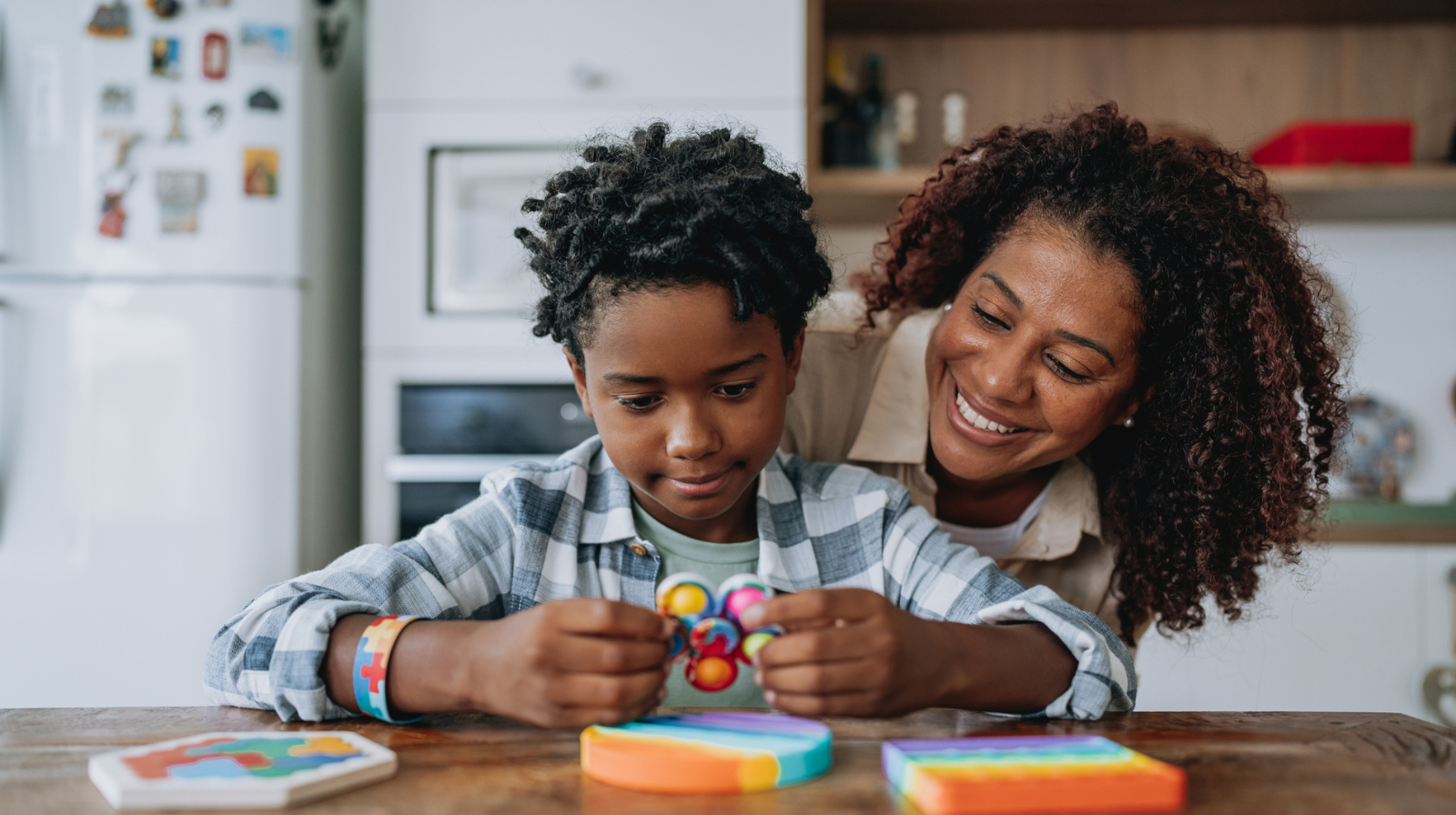
For one thing, her son, J, was only 18 months old. For another, his level of absorption was hard to interrupt; he wouldn’t resume their walk until he’d finished finger-tracing all the letters and numbers on each plate.
At the time, Dyan wasn’t sure what to make of this unusual behaviour. Soon, though, she noticed more patterns that didn’t fit the usual toddler profile. Shortly after J’s second birthday, he started reading and spelling difficult words — without being taught and without making any mistakes (no cute “kid-invented” spellings). He’d experience meltdowns when the clocks in their house were out of sync, even by a minute. Videos weren’t identified by their title but by their precise duration. And he insisted on watching the end credits, captivated by the scrolling letters.
For years, Dyan searched for an explanation for J’s behaviours, finding little information that matched J’s experiences. When he was finally diagnosed with hyperlexia and hypernumeracy, there were more questions than answers. The challenges of finding ways to support her son continued. As she recalls in her first-hand account, This is Hyperlexia, “the psychologist’s help was minimal: she basically handed me a piece of paper and said, ‘See you in three years. A full report will be mailed to you shortly.’”
The challenges of supporting her son led Dyan to years of learning, advocacy, and resource-building. Along the way, she learned that hyperlexia and hypernumeracy are examples of a broader range of differences known as neurodivergence. J’s story is not only the story of one family’s journey; it also offers a window into how we are beginning to understand and appreciate the true diversity of human thinking and processing.
What is neurodiversity?
J’s way of interacting with the world is part of what researchers, clinicians, and advocates call neurodivergence, a term that encompasses autism spectrum disorder (ASD), attention deficit hyperactivity disorder (ADHD), dyslexia, Tourette’s syndrome, and a growing list of other ways people perceive, learn, and engage with their surroundings. Each of these reflects the genuine diversity in our brains. It turns out that, like fingerprints, no two brains are alike. Even identical twins have unique brains.
The term “neurodiversity,” often attributed to Australian sociologist Judy Singer, emerged in the 1990s to reflect this insight about the unique nature of brains. But Singer’s intention was to connect that fact to human rights for people who are deemed neurodivergent. As she describes it, “‘Neuro’ was a reference to the rise of neuroscience. ‘Diversity’ is a political term; it originated with the Black American civil rights movement…. As a word, ‘neurodiversity’ describes the whole of humanity. But the neurodiversity movement is a political movement for people who want their human rights.”
Singer’s aim was to recognize our neurodiverse experiences while enshrining the rights, dignity, and inclusion of people whose ways of thinking and processing fall outside what’s considered typical. While each of us has a unique brain, about 20 per cent of us are considered neurodivergent and 80 per cent neurotypical (those whose experiences align with prevailing expectations).
That said, reaching consensus on how unique brains connect to neurodivergent experiences has been challenging among researchers, clinicians, and sociologists, as it has for those in the neurodiverse community. Debates are ongoing about whether neurodivergent people are best understood by perceived advantages, impairments, or disorders — or by processing differences that reflect their identity.
The significance of these debates becomes clearer when we consider that no one can choose how their mind works. This reality underscores the need to emphasize the rights of neurodivergent people, especially when we recognize that neurodivergent experiences are not illnesses to be cured but rather intrinsic aspects of each person who has them. As such, these individuals’ ways of thinking and processing the world, in all their forms, are best understood, supported, and accommodated in accordance with their rights as human beings.
Supporting neurodivergence
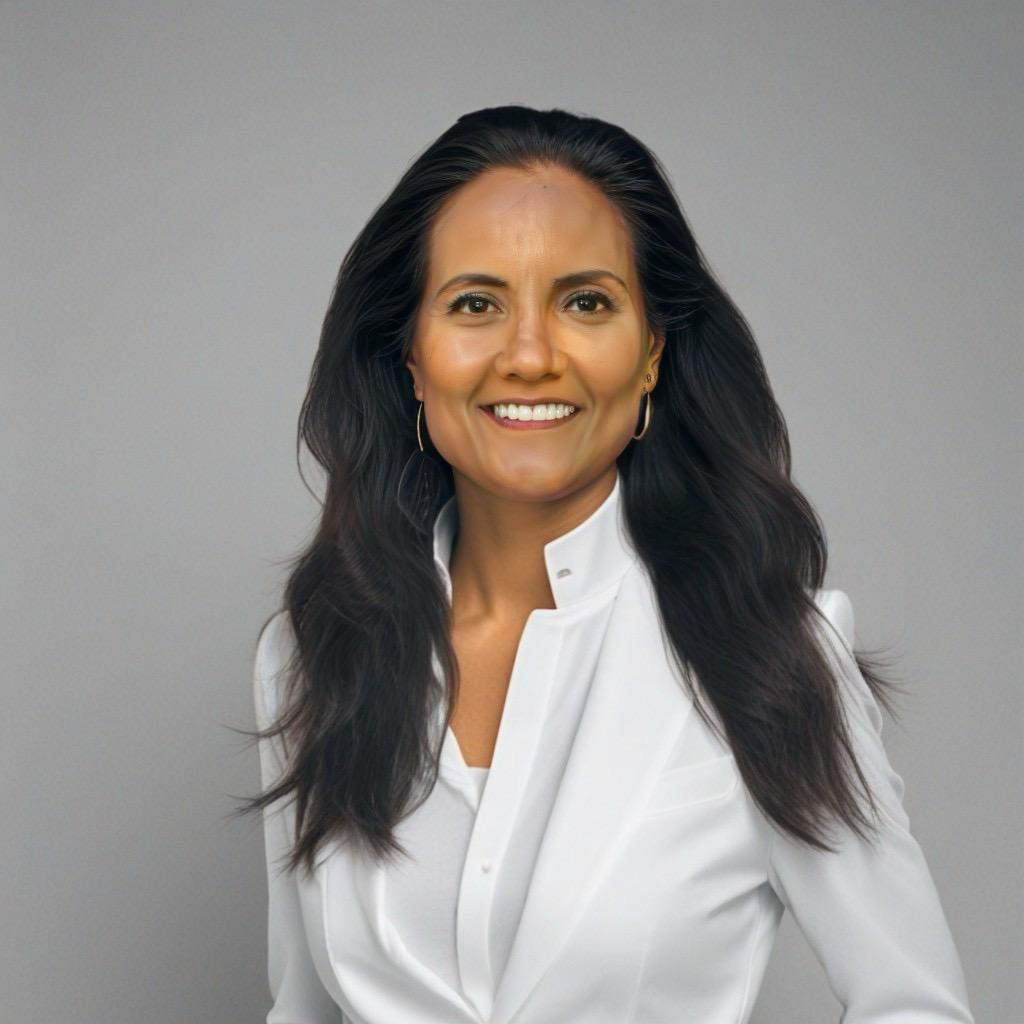
Kim Shah, president of ION Canada
This shift in perspective toward a language of variation can be crucial for giving neurodivergent people practical supports. For Kim Shah, president of the Institute of Neurodiversity (ION) Canada, such an approach lets us see neurodiversity as “a natural form of human biodiversity: a dimension of variation in human cognitive processing and sensory experience.”
That said, what neurodivergent people experience must also be recognized if the supports are to be effective. One aspect of neurodivergence relates to “pronounced peaks and valleys in abilities and experiences,” she says, which make neurodivergence “conceptually distinct from mental health and disability,” while standing in “a complex relational interaction with both.”
As Kim explains, this “spiky profile” defines when and where supports are most helpful. “The skills associated with the peaks, such as creativity, pattern recognition, determination, enhanced sensory perception, and hyperfocus, can be deeply valuable for individual flourishing and for communities,” she says.
The “valley experiences,” on the other hand, arise not just from being neurodivergent but also from “misalignments” between the world and neurodivergent people’s needs. Among them are emotional experiences like high stress, burnout, anxiety, depression, and/or feelings of social isolation. But “they often emerge,” she adds, from “social and physical elements” such as dissonant “environments, systems, and attitudes that don’t fit with neurodivergent needs.”
Dyan’s experiences with J’s hyperlexia emphasize how peaks and valleys apply to abilities, skills, strengths, and weaknesses. People with spiky profiles (which are often found in hyperlexic and autistic people) “excel in certain areas or with certain tasks, but struggle in others,” she says. While all people have strengths and weaknesses, they are much more pronounced in neurodivergent people. For example, individuals with hyperlexia may be able to read without being taught but also “struggle with comprehension.” Or else they “might test off the charts for math, spelling, or spatial skills. Yet, they’re six and still not potty trained.”
Beyond these examples, Kim often emphasizes the individuality expressed in the phrase “When you’ve met one neurodivergent person, you’ve met one neurodivergent person.” Still, she says, while experiences vary widely, “there are shared patterns in what helps neurodivergent people flourish: including sensory-friendly spaces, flexible communication, respectful pacing for their work, and understanding from others.”
That said, as the neurodiversity movement continues to grow, Kim finds a significant gap in the resources currently available to help “families, caregivers, and professionals navigate and appreciate the richness and diversity of neurodivergent lives.” To address it, she believes “health care, education, and other crucial systems must evolve toward a relational, rights-based approach that actively nurtures and supports neurodivergent people and their communities.”
Embracing neurodivergence
J’s journey reminds us that every person’s way of experiencing the world is valid and worthy of respect. Embracing neurodivergence means accepting what it calls on us to do: build communities, workplaces, and schools that are flexible and supportive while recognizing that rights and dignity extend beyond what is neurotypical. By hearing about lived experiences like Dyan’s and J’s, we can learn about the kinds and levels of support neurodivergent people might need. The willingness to listen can also help improve our collective understanding of the full extent of human cognition and sensory experiences.
