If you are in distress, you can call or text 988 at any time. If it is an emergency, call 9-1-1 or go to your local emergency department.

Partnership in Action
A Force for Progress
As the number of people in Canada affected by issues of mental health and substance use health continues to grow, so too does the importance of the Mental Health Commission of Canada. Since its inception in 2007, the Commission has continually built and expanded the infrastructure needed to strengthen health-care systems, and engage and empower individuals, communities and organizations.
This infrastructure includes everything from Canada’s first national strategy on mental health to essential standards, assessment frameworks and training programs, along with the partnerships needed to drive ongoing progress.
- 1 million+ people living in Canada have completed mental health literacy training
- 700,000+ people living in Canada have completed Mental Health First Aid training
- 20,000 mental health apps – 1 assessment framework
- 20+ Roots of Hope communities across Canada
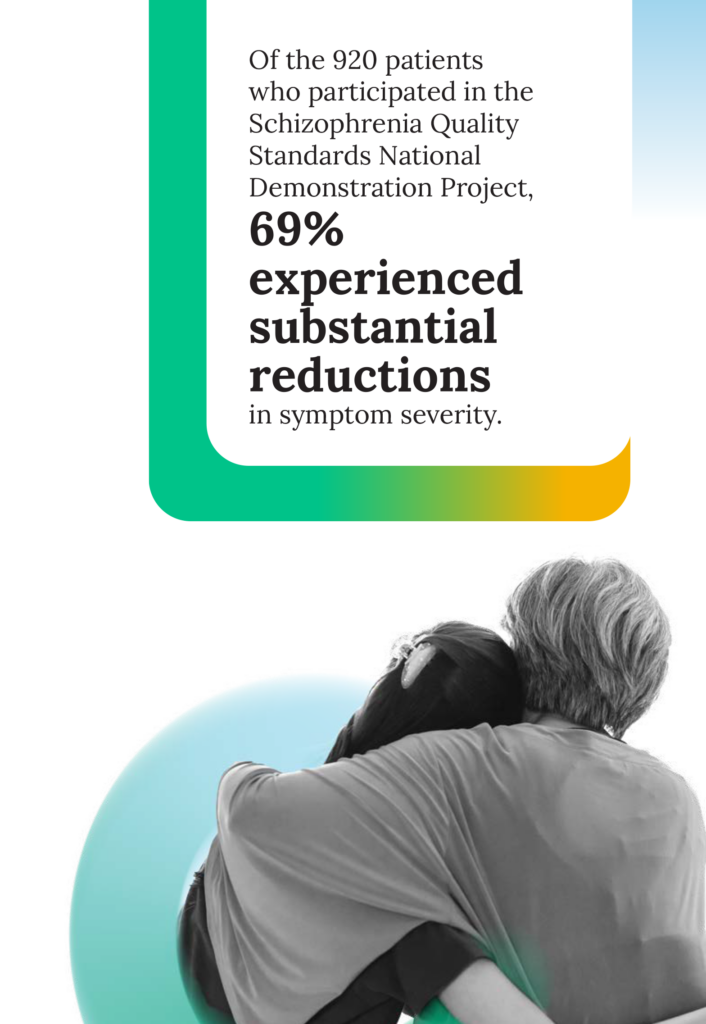
- A National Demonstration Project where 69% of Schizophrenia patients demonstrated significant reductions.
Leading E-Mental Health Innovation
Realizing the full potential of e-mental health will require proof of efficacy, evidence-based guidelines for users and practitioners, and adequate mechanisms for data protection and cultural safety.
The Commission is helping turn the promise of e-mental health into safe, effective, and trusted care. Through national collaboration and consultation with practitioners, governments, and people with lived and living experience, the Commission provides evidence-based guidance to support clinical effectiveness, data protection, and cultural safety. This work includes national strategies and practical tools that help decision-makers navigate a rapidly evolving digital landscape. Together, these efforts strengthen digital mental health systems and support the responsible use of emerging technologies across Canada.
Commission Accomplishments
- An E-Mental Health Strategy for Canada (2024)
- Assessment Framework for Mental Health Apps (2023)
- The E-Mental Health Implementation Toolkit and associated Learning Modules (2018, 2021)


Eliminating Stigma
Many of the seven million people in Canada who need help with mental health concerns this year will not get it because of the associated stigma.
The Commission works to eliminate stigma by addressing its root causes at individual, organizational, and system levels. Through evidence-based training, practical tools, and long-term partnerships, the Commission supports workplaces, schools, health systems, and communities to recognize and dismantle stigma related to mental health and substance use. This work focuses not only on changing attitudes, but also on transforming policies, practices, and cultures that prevent people from seeking or receiving care. Together, these efforts help create environments where mental health is understood, supported, and treated with dignity.
Commission Accomplishments
- Mental Health Structural Stigma in Healthcare eLearning Course (2024)
- Dismantling structural stigma in health care (guidebook, 2023)
- Stigma Cultures in Health Care Scale, Structural Stigma in Mental Health Care Scale (validated 2023, 2024)
- The Working Mind, Mental Health First Aid (number of courses expanding continually since 2010)
Supporting Quality Care
The lack of access to quality care is the largest single issue facing Canada’s mental health care system.
The Commission strengthens access to quality care by developing and advancing evidence-based standards, implementation tools, and system-level solutions. Working with clinicians, policy makers, researchers, and people with lived and living experience, the Commission helps translate best practices into real-world care settings. Its work supports consistent, measurable, and person-centred approaches to care across sectors, including health, education, and justice. By focusing on both quality and implementation, the Commission helps improve outcomes and reduce gaps in mental health care across Canada.
Commission Accomplishments
Preventing Suicide and Reducing its Impacts
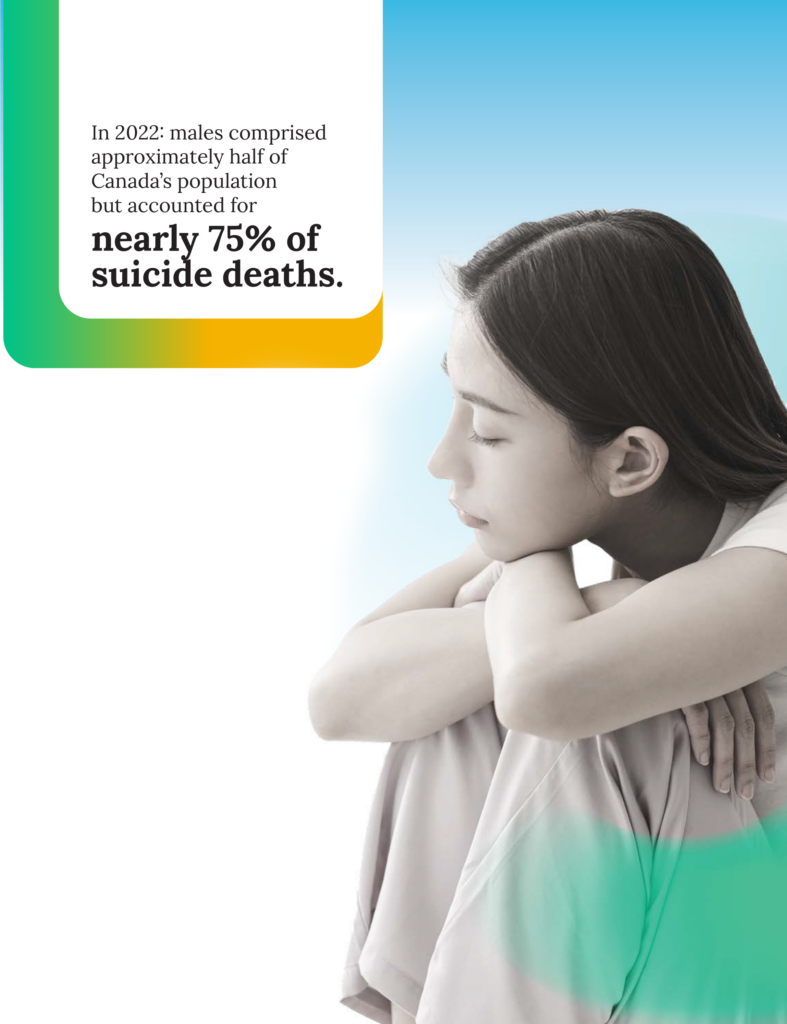
In 2023, suicide claimed the lives of more than 3,800 people in Canada and ranked 12th among causes of death.
The Commission supports suicide prevention by working with communities to develop, implement, and sustain evidence-based approaches tailored to local needs. Through collaborative models such as Roots of Hope, the Commission helps communities strengthen protective factors, improve access to supports, and reduce the impacts of suicide. This work is complemented by national tools, training, and knowledge-sharing that build capacity across sectors. Together, these efforts advance a coordinated, community-driven approach to suicide prevention across Canada.
Commission Accomplishments
- Roots of Hope (established 2018)
- Toolkits for people impacted by a death by suicide and by a suicide attempt (updated 2025)
- Free suicide-prevention training for health-care professionals (2023)
A Force for Progress