
If you are in distress, you can call or text 988 at any time. If it is an emergency, call 9-1-1 or go to your local emergency department.

The Book Club series profiles good reads that challenge stereotypes and stigmas – part of our Representations section on pop culture and mental health.

It’s not just gender bias – though that’s a useful umbrella term for the various societal ills, long-held beliefs, lack of data, historical hangups, and stigma that negatively impact mental health care for women.

All In Her Head

Author Misty Pratt is a science communicator and researcher based in Ottawa. She brings in medical research, interviews with practitioners, and her lived experience with mental health care into a book (Greystone Books, May 2024) that dismantles outdated concepts like hysteria, critiques the self-care industrial complex, and examines cultural constructions of mental illness.

It’s not you, it’s capitalism

In chapter 7 – titled Are You Mentally Ill or Mentally Overloaded? – Pratt underlines the link between burnout and depression, based on a study of Finnish employees. It suggests that people suffering from burnout are more likely to become depressed, while those with depression are more vulnerable to burnout.

Within this loop, Pratt notes that when women experience burnout – in a broad sense of being overly exhausted by the mental load and daily life – it is sometimes diagnosed as anxiety or depression. However, this could be a false diagnosis that overlooks larger economic and social issues – such as the patriarchy (Chapter 6) – leading to ineffective treatments.

Pratt asks readers to consider their situation more holistically. In other words, is the reason you can’t get out of bed more about the climate catastrophic world you live in, your economic situation, or a lack of power– rather than about you as a person?

Empowering eye-opener

“Personally, this realization completely changed the way I relate to myself and my mental illness,” Pratt writes. “I believe that misdiagnosing burnout feeds the illusion that mental illness is due to a personality flaw, negative mindset, my family’s genes, or an imbalance in my brain rather than an understanding that is closer to the truth: I’m facing a social problem that has real, lived emotional consequences.”

She found this realization freeing but notes it can be distressing to know you don’t have as much control over your well-being as you may have thought or been led to believe. However, a broader more fulsome view can set you “on a path to rediscover your own capacity, the ways in which you are limited, and what tiny actions of resistance you can make.”

Pratt is careful to not define what that resistance could or should look like for anyone. She checks her own biases in the book, actively avoiding what she calls the trap of “White Woman Wellness Syndrome,” that carries a privilege and often pushes simple fixes that are trendy or culturally appropriative. There are no affiliate links to jade eggs or corny affirmations to be found here. Rather, wellness culture and self-care are reimagined in a way that touches on our multitudes: spiritual, social, relational, cognitive, emotional, and financial.

Rewriting her story

Pratt shares her story of a nervous breakdown, anxiety, and depression; her strategies, sessions with therapists, and how these intersected with life stages, such as the birth of her children. She weaves in her lived experiences with trenchant analysis of contemporary research through a biopsychosocial lens (a model that looks at biological, psychological, and social factors that influence our lives).

Another through line is the story of Pratt’s grandmother, Dorothy Mavis Buckler, who was contending with bipolar disorder in the 1980s, a time when we knew much less, stigma was painfully and systemically strong, and treatments were rudimentary. Pratt recalls her view as a then-five-year-old observing her grandmother’s state.

“When we lose our mind, where does it go?” she writes. “As our mind drifts past, do we jump and try to grab at it, as a young child would chase after a wayward balloon on a windy day?”

Clinicians acted as if her grandmother’s symptoms were exaggerated. Pratt explores the narrative of hysteria and wonders what might be different now for her grandmother. Contrasted with Pratt’s own experiences and research, the reader is left with a hopeful feeling – that things have improved, even if there is so much more to do.

For example, when Pratt gets lightly “manifesto-y” toward the end, her call-to-action is so sensible and straightforward that one wonders – why aren’t we there yet?

“My wish is for all women to have access to effective biopsychosocial treatment options, to consent only once properly informed, to receive support for their preferences and values, and to have better care in coming off medication,” she writes.

“This can be done in collaboration with psychiatrists, psychologists, social workers, patient advocates, and anyone else working toward better mental health care. In other words, we can find common ground to stand on, a place where the door opens to choices for each and every individual who wants them.”

Further reading: Lifeline: An Elegy: Stephanie Kain’s novel changes the narrative on supporting someone with mental illness.

Resource: Where to Get Care – A Guide to Navigating Public and Private Mental Health Services in Canada.

Author: has not yet written her manifesto. She is the Manager, Content at the Mental Health Commission of Canada, and frequently writes The Book Club series in The Catalyst.

The power of optimism

When I sat down with Kimberley Hanson to talk all things HealthPartners, I was curious to understand her optimism about the future of workplace fundraising.

“Charities are being asked to do more, with less. Illnesses are on the rise, but pocketbooks are stretched. What do we do?”

Kim smiled, a knowing expression on her face. “That’s the million-dollar question. According to Statista, charitable donations were down 371.7 million dollars from 2021 to 2022.1

She went on to say, “We’re living in polarizing times. And people are feeling pessimistic about the future. This bears out in surveys, and it’s no wonder. The pandemic is still casting a long shadow. Cost of living is up. The health-care system is stretched to the breaking point. And yet, I remain an optimist.”

Kim’s glass half-full outlook comes, in large part, from the work she does to bring awareness into workplaces across the country about the irreplaceable contributions of HealthPartners’ charities.

“They fill tremendous gaps. These charities are focused on the needs of people today – education, advocacy, services, and supports – and they are committed to finding better treatments and cures for tomorrow. We will all likely need their help at some point – whether that’s due to cancer, heart and stroke, ALS, the list goes on – and we will certainly know someone who does,” said Kim.

Collateral benefits

Given the importance of these issues to people in Canada, by bringing these charities to work, employers signal that they understand and are creating an opportunity for employees to conveniently learn more and contribute to something meaningful.

By engaging volunteers, HealthPartners provides access to those with lived experience to share their personal stories. The power of their first-hand accounts is two-fold.

They bring home the profound importance of the work carried out by HealthPartners’ charities, while empowering employers to foster a culture of generosity and social responsibility.

It’s in doing this double duty where the magic happens.

“It’s an antidote to pessimism. And it’s got tremendous collateral benefits. We’re seeing participating workplaces move the needle on accommodations, as just one example. Hearing about a person’s struggle to disclose, say, arthritis or anxiety…fearing a dismissive ‘pull up your socks’ attitude, can create fresh awareness and empathy. A light bulb goes on, and employers start asking themselves: How could we improve the experience of our own employees who might be struggling?”

Rejecting the machine mindset

Kim went on to explain further.

“Employees aren’t automatons. They come to work with their whole being. And they’re largely motivated by finding meaning – not just in their tasks and responsibilities – but in being part of a social fabric that aligns with their values. In short, why I am here, beyond the paycheck? Employees who feel that their employers were highly committed to their communities were two times likelier to be satisfied with their job.  Employees who participated in donating and volunteer programs at work were 2.3 times as likely to stay at their job for the next two years.2

This is borne out in employee engagement and retention, decreased absenteeism, and higher productivity. In fact, surveys conducted by HealthPartners on the heels of workplace campaigns show upwards of 95 per cent of employees are onboard with workplace giving, and 91 per cent would do so again.3

A shared language

Given the average adult spends a third of their life at work, Kim believes workplaces can be foundational in changing mindsets and dispelling myths.

I reflected that the MHCC made normalizing mental health at work a cornerstone of our stigma-busting efforts, sharing the belief that what gets talked about around the watercooler trickles down to the dinner table.

A great example of this is MHCC’s Opening Minds workplace training, which gives employees the tools and shared language to talk openly about mental health problems and illnesses, challenges and changes negative attitudes, and ultimately, reduces stigma. Both in the workplace, and beyond.

And stigma is hardly exclusive to mental illness.

In fact, many HealthPartners’ charities have heard from their communities that tackling stigma is top of the priority list.

Kim heartily agrees. “If I could wave a magic wand to make a major change within our health-care system, it would be the eradication of stigma. It cuts across virtually all our partners. It prevents people from seeking help. It contributes to the misallocation of funds. And it seeps into the unconscious bias of health-care providers themselves, which can compound or worsen the outcomes of illnesses.”

Kim has experienced stigma’s long reach first-hand. At 20, she began losing an alarming amount of weight. Her doctor dismissed her concerns, despite the hard-evidence of a blood-glucose test pointing to diabetes. Sadly, she didn’t present as a “typical” diabetes patient, so her concerns were roundly dismissed.

“That bias cost me two years of my life,” said Kim. “But by addressing stigma and the flip side of the coin, discrimination, we can make access to care more equitable.”

The collective advantage

Kim described the knock-on effect of collective action as being the secret to advancing changes that benefit everyone more rapidly.

When she worked for Diabetes Canada, for example, Kim set her sights on a National Diabetes Framework. She was told she’d never get buy-in from other health charities, focused as they were on their own needs.

But as a patient, and an advocate, Kim rejected this failed logic.

“This is not a zero-sum game,” said Kim, who forged strong alliances across the sector in pursuit of what she knew to be a mutually beneficial goal.

“I have diabetes, so that naturally puts me at greater risk for a host of other conditions: cardiac, kidney, depression…so whatever we can do to help people better manage or ward off the development of diabetes, will naturally be good news across the health-care spectrum. And that applies to many other illnesses as well.”

To a member, each charity is looking for ways to delay or prevent the onset of illness, where possible. And, when the cause of illness remains a mystery, as it often does, no stone is being left unturned in the pursuit of greater understanding.

Given the irrefutable comorbidities that link the communities of so many HealthPartners’ charities, a ‘better together’ approach makes sense, both morally and practically.

A holistic shift

“We aren’t walking organs,” said Kim. “For far too long we’ve treated people’s symptoms in isolation. A nephrologist for kidneys. A cardiologist for heart disease. You get the idea. But when something malfunctions in a complex system, what are the chances that another element of that system might fail? High. So, we need to start treating the whole person.”

And, Kim emphasized, that includes giving people with lived experience a voice at the health-care system decision-making table.

It’s this humanistic approach that sets HealthPartners apart.

Through workplace fundraising campaigns, it recognizes that employees are complex and multi-faceted, many spurred on by a drive to make a positive difference.

And via the health charity partnerships it forges, it highlights that differences don’t preclude common ground. Ultimately, it’s this powerful collective that will create a more responsive, inclusive, equitable health-care system – for all of us.

In the absence of a magic wand, Kim will continue to roll up her sleeves in service to this work.

Canadians may assume that health-care workers have ready access to all the help and care required for psychological health and safety issues in the workplace.

It is not necessarily so.

That perhaps incongruous truth is the motivation for the Psychological Health and Safety Toolkit for Primary Care Teams and Training Programs — the PH&S Toolkit.

It’s a new and broad collection of adaptable tools created in partnership by the Canadian Health Workforce Network, the Mental Health Commission of Canada (MHCC), and Team Primary Care (the latter an initiative of the Foundation for Advancing Family Medicine, funded by Employment and Social Development Canada).

Karina Urdaneta

Karina Urdaneta, Program Manager for Prevention and Promotion Initiatives with the MHCC.

“The PH&S Toolkit is a bilingual website with more than 120 resources to support health-care leaders, HR representatives, workers, trainees, and educators enhance psychological health and safety in their working and learning environments,” says toolkit team member Karina Urdaneta, the Program Manager for Prevention and Promotion Initiatives with the MHCC.

“Psychologically healthy and safe health-care workplaces can help improve health-care workers’ well-being, decrease absenteeism and turnover, boost productivity, enhance organization’s reputations, increase patient satisfaction, reduce medical errors, and lower health-care costs.”

Strengthening the workforce

Canada has a health workforce crisis, particularly in primary care. Even before the pandemic ratcheted up the pressure, health-care workers were screening positive for stress, depression, anxiety, burnout, and risk of suicide.

Psychological health and safety, which addresses those risks, is defined in the toolkit as “the systematic support provided within an organization and within teams to actively prevent and minimize the risk of psychological harm from work-related causes and promote mental health.”

It goes to the very core of health-care operations, the authors say, “embedded in the way people interact with one another, and the way working conditions and management practices are structured within the organization or team.”

The toolkit recognizes that health care is not a monolith, and the specifics of psychological stresses and challenges vary from one sub-sector of health care to the next — the challenges for employees in a long-term care facility can differ from those in a hospital emergency room, for example, and both may differ from psychological health and safety in a research program or in health-care education.

Even within professions the pressures can be complexly varied. For example, paramedics see traumatic injuries, “the things you see that people in normal life don’t see,” says Peter, a paramedic in Halifax, who asked to be identified only by his first name.

He notes they also bear tremendous stress from elsewhere, such as working with chronic abuse of the system by people who don’t need urgent care but habitually call for ambulances, or by bureaucratic inefficiencies that help lead to backlogs and delays in delivering care.

“That kind of wears on you, because there’s not enough ambulances; there’s not enough resources to deal with this, but we have to keep going,” Peter says. “It kind of wears you down.”

Essential concepts to support the sector

These challenges are among many examples throughout the health-care sector that demonstrate why the toolkit, which is online and available for free, was made to be broad and adaptable.

It is arranged around seven key themes:

  • Organizational and team culture
  • Workload management and work-life balance
  • Clear leadership and expectations
  • Psychological protection
  • Protection of physical safety
  • Protection from moral distress
  • Support for psychological self-care.

Users of the website can click on any category for a definition — “Protection from moral distress,” for example, includes “providing access to bioethics consultations and training, and developing policies and guidelines to address morally distressing events.”

A resources tab leads to drop-down menus that users can use to filter the 120-plus resources available to fit the specific needs of their team and organization. Users can filter for theme, format (websites, articles, workshops); along with sector, setting, identities, audience (HR, employees, managers), cost, country and language.

Teams in the workplace can use the resources directly from the website — it could be, for example, “Reflections on the Mentor-Mentee Relationship,” an article from the Journal of the Pediatric Infectious Diseases Society, or “Resources for Team Building,” a workshop of materials and tools to help “create an action plan with your team to improve psychological health and safety.” The resources and other videos, articles, webinars and more have been compiled from dozens of sources to ensure the toolbox is stocked with high-quality, evidence-informed tools.

How it’s being used

Workplace teams have even incorporated elements of the toolkit into their own existing psychological health and safety programs.

“We developed a curriculum for nurse practitioners who will be delivering primary care in long-term care settings, and the psychological health and safety component was an actual piece of our final module,” says Ontario nurse practitioner Carrie Heer.

“A number of team members from the psychological health and safety group, their team, actually put that piece together for us. We wove it in there.”

The curriculum can be used by nurse practitioners across Canada or elsewhere and is also available for use in education settings.

Michelle Acorn, the CEO of the Nurse Practitioners Association of Ontario, says that “emphasizing mental health from the outset,” ensures that nurse practitioners are not only equipped with the skills to support residents, but also with support and self-care strategies that are needed to thrive in our challenging environments, which ultimately enhances both our professional performance and overall job satisfaction.

This improves outcomes for residents of long-term care centres, Acorn says. “It’s a critical step towards building a more resilient and effective healthcare workforce.”

To aid facilitators in doing no harm while attempting to do good, the Equity in Health Systems Lab at Bruyère Research Institute have created a suite of equity, diversity, inclusivity, and accessibility tools as an additional resource that is useful in this work.

They are succinct, introductory tools to help educators, teachers and facilitators as they develop and facilitate educational activities. Guiding questions help to mitigate harm, the authors say.

They focus on three R’s: representation, roles/relationships, and responsibilities – essential tenets because of the “real risk of either perpetuating or even creating harm through the sharing of stereotypes, stigma, bias, micro-aggressions, and more.” These can be inadvertently transmitted through cases, stories, videos, and other forms of prompts in education activities, if the resources are not considered through an equity framework.

Thus, integrating these frameworks into health-care professionals’ learning activities is a significant stride towards promoting fairness and reducing harm within educational settings. It can improve the quality of work and life for employees throughout the health-care sector and improve outcomes for their patients.

Resources:

Further reading: A free course on dismantling structural stigma in health care aims for meaningful change for people experiencing mental health and substance use issues.

Author: lives in Ottawa and writes frequently about arts, culture and mental health for publications across Canada.

When Kristen Parks delved into the Mental Health Structural Stigma in Health Care eLearning Course this past summer, she soon had a distinct feeling of déjà vu.

It didn’t take long for her to realize, though, that some of the material was familiar because she’d seen it before. More than ten years ago, when she was in nursing school, she took an entire course on mental health.

“It was like flexing muscles that I hadn’t used in a long time,” says Parks, a registered nurse in the cardiac care unit at a hospital in the Atlantic provinces. “When you work in a hospital setting, you have a specialization. That’s what you have the most expertise in and it’s also usually what you focus on the most.”

The course – released a year ago by Canadian online healthcare learning provider HealthCareCAN, in partnership with the Mental Health Commission of Canada – is free, takes about 1-2 hours, and is available to anyone. The goal is to raise awareness about structural stigma, which can have a particularly negative impact on people experiencing mental health and substance use issues.

A type of stigma

In health care, structural stigma occurs when laws, policies, and practices result in the unfair treatment of people with lived and living experience. Such unfairness leads to inequitable access and a lower quality of care for these individuals, whether their concerns relate to physical health, mental health, and/or substance use.

This past decade has seen researchers—many of them Canadians—build a robust body of literature that investigates the impact of stigma in health care, more recently with a focus on structural stigma. Educational initiatives, like the course that Parks enrolled in, are based on that research, as well as insights from people with lived and living experience of mental health and substance with the aim of increasing understanding and awareness.

“With the material I already knew, it was more about bringing it to the forefront of my mind,” Parks explains, “but some of it was new. I took that course about 12 years ago and, since then, the insights and recommendations have changed, which is good. We want things to change.”

What changed?

More than 40 percent of respondents who took the course over the past year said they could describe the problem, as well as its impact on clients, identify where it existed in their organization, and “describe factors that contributed to the enablement of structural stigma in health care.”

Although there’s more than one problem created by structural stigma in health care, the central issue is that it creates a barrier for many marginalized populations. Not only has it been shown to discourage people from seeking out preventative care or early treatment, once people finally do seek treatment, stigma can lead to both poor treatment plans and missed diagnoses, the latter of which is often the result of “diagnostic overshadowing.”

Gretchen Grappone

Gretchen Grappone, a training consultant and clinician specializing in structural change, works with health-care professionals on dismantling structural stigma.

For example, someone with a substance use disorder could be be seeking help for anything from a broken arm to kidney stones but, once medical staff learn of the patient’s previous diagnosis of substance use issues, that diagnosis can overshadow other medical issues. That shadow can cloud the judgment of caregivers who suddenly only a “drug-seeker,” even though the patient might clearly be in pain and in need of medication.

“It’s super harmful,” says Gretchen Grappone, a licensed independent clinical social worker, whose work is now focused on training health-care professionals about structural stigma. “Because of diagnostic overshadowing, many people with mental illness or substance use disorders don’t get the treatment they need.”

Grappone recalls one example where someone went to the emergency room with serious chest pain but, because they’d been to that emergency department before and had been treated for borderline personality disorder, they weren’t taken seriously, Grappone says. “Then they died because they didn’t get the care they needed.”

Serious consequences

Incidents like this were part of Grappone’s motivation to shift her practice away from counselling individuals and towards providing education and training about stigma in health care settings. Another reason is that she has lived experience of depression.

“I didn’t get diagnosed until I’d experienced various forms of discrimination over many, many years,” she says. “That discrimination was related not only to seeking treatment for depression, but also because I’m openly gay, so it’s intersectional stigma.”

That personal experience, combined with her work as a clinician, Grappone says, gave her a front-row seat to many specific types of discrimination within the health-care system. That’s made her a valuable resource in the growing movement to dismantle structural stigma in health care, since research has shown that marginalized people who have experienced stigma have essential insights into that process.

Often, people with lived and living experience are the only ones who can see the problems that are baked in to practices that many take for granted as standard protocols. A good example is the code blue/code white dichotomy, that sees doctors paged to intervene in physical health crises (code blue), while the first responders to a code white, (violence or aggression) are often security personnel.

For example, in a follow-up survey, a course participant said they had experienced many code whites in their hospital (where a situation could be met with non-violent crisis intervention or physical restraint) but had not considered the patient perspective before taking the course.

De-coding the message

A patient in a mental health crisis, who may already be stressed and confused, may become agitated because of their experiences before the code white is called, they noted. “I can see why security being the first to arrive on the scene of a code white may not actually be the best option for the patient, as it may confuse or agitate them more, putting them on the defensive and escalating the situation further.”

Protocols like these are referred to as “coercive policies and practices,” and they represent an erosion of rights for patients experiencing mental health and substance use issues, who may be involuntarily admitted, physically restrained, and denied agency in decision-making about their health care.

It’s not easy to become stigma-free overnight (or, possibly, ever), but a good first step in challenging this discrimination is learning to see how the system works through the eyes of the people it’s failing. Many who took the Mental Health Structural Stigma in Healthcare eLearning Course said that the individual examples of stigma helped open their eyes to the issues.

It also helped them to recognize opportunities to address stigma, demonstrating that mobilizing knowledge to make positive change may be on the horizon. Nearly half of respondents said it encouraged them to make a change or take action to address structural stigma. Roughly the same number of graduates had gone so far as to plan ways to implement this new knowledge. At the same time, though, many expressed concerns that challenging the status quo might be an uphill battle.

“Yes, incorporating what I learned in the course into my work environment may mean I’ll face barriers such as institutional resistance, resource constraints, organizational culture, legal and regulatory constraints, and resistance from stakeholders,” says another survey respondent. “Overcoming these barriers will require persistence, advocacy, and creative problem-solving.”

Kristen Parks says that regular reviews and certification updates would also help people who want to transform the culture of care in any institution, citing annual CPR training as a standard practice. For example, everyone in a hospital from kitchen staff to administrators has to have CPR training. They may be in an elevator with a patient in an emergency, for example. Parks says this course could also be beneficial in a whole-of-healthcare manner.

“This course helped remind me that we always have to see the whole person, not just, say, the substance use,” Parks says. “There’s new knowledge out there and, if you’ve been out of school for 15 or 20 years, it may be completely different from what you learned.”

Author: Christine Sismondo, PhD, is a historian who writes about social issues. Her work is featured regularly in the Globe and Mail, and the Toronto Star. She is a National Magazine Award winner and the author of several books.

Welcome to the second installment in the MHCC & series, designed to get to know our HealthPartners membership, and discuss where our realities intersect, and how best to support each other.

September is Muscular Dystrophy Awareness Month, so MHCC’s Vice President, External Affairs and Development, Allison Cowan, sat down with Stacey Lintern, CEO of Muscular Dystrophy Canada, to learn about the outsized strength and resiliency of a community too often overlooked and underestimated.

When I met with Stacey Lintern, CEO of Muscular Dystrophy Canada, she incisively captured the challenge faced by the neuromuscular disorder (NMD) community.

“We live in a ‘move it or lose it’ world,” Stacey explained. “This hustle culture doesn’t just threaten to leave people with NMDs behind – it can actually be deleterious.”

She gave the example of Duchenne muscular dystrophy, but she could well have chosen any number of the more than 160 disorders that fall under Muscular Dystrophy Canada’s mandate.

“Imagine a little boy [Duchenne affects people assigned male at birth] who is struggling to keep up in class, who seems tired, who can’t get his outdoor clothes on quickly enough…and he’s told to hurry up, to stop dawdling, to focus…and in reality, not only is he physically incapable of meeting these expectations, he’s doing damage to his muscles by virtue of trying.”

“With Duchenne,” Stacey went on, “which usually isn’t diagnosed till the illness has progressed, at say three or four years old, the child won’t produce any more dystrophin [which is required for maintaining muscle strength]. In short, they can’t regain what’s been lost, and the loss will have occurred more quickly due to the effort expended by the futile attempt to keep up.”

Unfortunately, in the case of Duchenne, and many other NMDs, those losses will continue to mount, shortening life expectancy and oftentimes requiring 24-hour care.

Untangling a complicated diagnosis

Given that neuromuscular disorders exhibit a grab-bag of symptoms, varied age of onset, and a spectrum of severity, their complex nature challenges our overstretched health-care system, and stymies the physicians charged with untangling the Gordian knot of diagnosis.

Muscular Dystrophy Canada interacts with upwards of 27,000 people as registered in their data base, about 16,000 of whom are caregivers. Keeping tabs on individual experience by following personal journeys informs the growing body of evidence the organization uses to influence policy changes.

“We are driven by evidence, which we work hard to translate into airtight advice for policy makers…these disorders require an outsized investment because their severity often means they put a disproportionate strain on services: from the health-care system to community and social supports, the list goes on.”

These “individually rare, but collectively common,” disorders – as Stacey eloquently describes them – produce a perfect storm of misdiagnosis and misunderstanding. Together, this reality creates a pervasive stigma, adding to the burden borne by people who’ve already been dealt some of life’s toughest cards.

The impact of uncertainty

“It can take up to 17 years to get a diagnosis in some cases,” explained Stacey. “It might start with muscle weakness in the hands, or a drop foot, and a lack of awareness even within the medical profession means people aren’t referred to neurologists, but rather physiotherapists, and, in some cases, psychiatrists.”

Contending with this uncertainty presents its own struggle, as people deal with their physical symptoms, while wrestling with the mental health challenges that accompany being dismissed or disbelieved.

“Add to this,” said Stacey, “the daily frustration of losing control of your own bodily autonomy, and you have a group of people who have to find the extraordinary inner strength to navigate a world that not only doesn’t accommodate their needs – but disregards them.”

Part of Muscular Dystrophy Canada’s mission is helping the community gain back some of the control they’ve lost.

“A point of pride for us is not just patient engagement, but patient leadership. Our job is to give them the platform, because these are some of the strongest, most resilient, most adaptive people I’ve ever met. And it’s not trite to say that they have so much to teach the rest of us.”

Taking back control

Stacey described the daily frustrations that someone living with a neuromuscular disorder could face, from waiting for an-in home attendant who might arrive at a different time every day; to struggling with mundane daily tasks, like doing up buttons; to the indignity of being unable to access basic health care due to physical limitations, like inability to transfer from a wheelchair to an examination table.

Compound this with a dearth of specialists, societal stigma, and the mental health burden of being faced with a progressive disease, and you have a community who would be justified in feeling excluded.

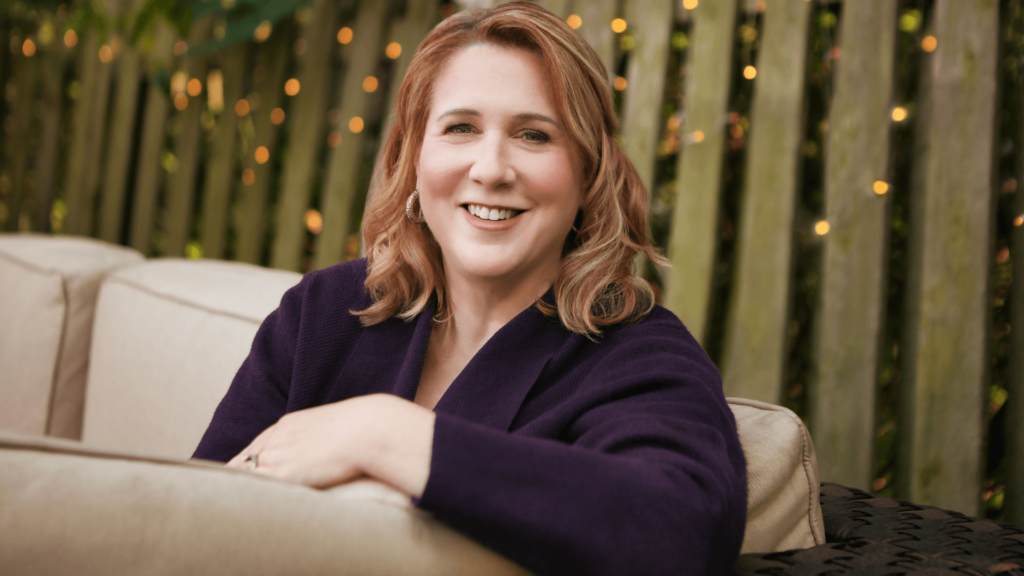
Stacey Lintern

Stacey Lintern, CEO of Muscular Dystrophy Canadat

Yet, with the guidance of their membership, Muscular Dystrophy Canada is rewriting that narrative.

This includes a steep investment in a hotline that helps individuals and caregivers access accurate, timely, and relevant information about the latest research, treatments and clinical trials. And a patient education program that equips people with lived experience with the knowledge and skills to peer-review potential research studies and evaluate outcomes.

Muscular Dystrophy Canada doesn’t just pay lip-service to a person-first approach. They put their money where their mouth is.

Leading from behind

“We work in partnership with clinical peer-reviewers, so we extend the same opportunity to patient reviewers. It’s a signal that they are as valued and important to the process as the clinicians sitting next to them,” said Stacey. “We believe in the ‘nothing about me without me’ ethos, and it’s a commitment we share with our international peers. We challenge each other to think harder and smarter about how to bring people with lived experience into every aspect of our decision-making.”

In responding to a need identified by the NMD community, the organization is also providing accredited ‘Master Classes’ to doctors, nurses and allied health professionals, to generate a broader understanding of the disorders, and, ultimately, create a pathway to speedier diagnosis.

“Time is of the essence,” said Stacey, referring specifically to the urgent need to expand newborn screening panels to include Spinal Muscular Atrophy. “It was the most fatal genetic disorder for children under two…but we have worked to change that.”

The organization had a plan to advocate for widespread screening, which would need to be adopted province-by-province and territory-by-territory. By dint of hard work – and hard evidence – they advanced their eight-year timeline by a full five years.

By September 2024, every province and territory will be participating. Thanks to Muscular Dystrophy Canada’s relentless commitment, infants can now receive life-changing treatment before symptoms even develop – no matter where in the country they were born.

While Muscular Dystrophy Canada counts this as a triumph, it’s also a reminder of how much work the organization has yet to do. Stacey wants these panels expanded to include more NMDs, but her ambition doesn’t stop there.

“All people are not treated equally – or equitably – in our community,” Stacey said. “It’s already difficult enough to access to innovative therapies in Canada, but for some members of our community, a baseline for participation in a clinical trial is a six-minute walk test. If you can’t meet that threshold, you’re dismissed out-of-hand.”

Lowering barriers

A former clinician herself, Stacey worked in community nursing to help integrate people with disabilities, and she’s hurt and indignant on behalf of those whose opportunities and contributions are limited by arbitrary barriers.

“MDC was asked to co-lead the consultations for Canada’s Disability Inclusion Action Plan, and our findings weren’t surprising…better access to treatment, accessible and affordable housing, employment accommodations…and among our own community, we’ve heard repeatedly that mental health supports are imperative to coming to terms with a life-altering prognosis.”

Stacey elaborated that when an individual is finally handed a definitive diagnosis, the rush of relief that comes with validation of symptoms can be quickly eclipsed by the overwhelm of processing the news.

The mental health care imperative

“When the trajectory you’re facing is something like, a boot for drop foot, then perhaps a cane, a scooter, a wheelchair, a ventilator…when you’re marking reverse milestones, there is an urgent need for psychological support, to help to cope with anxiety and depression. This is an imperative, not a nice to have.”

In short, mental health care among the NMD community is must, and ditto for caregivers.

Part of Muscular Dystrophy Canada’s work is finding sponsors for caregiver retreats, offering much needed respite for the spouses, parents, or children of people affected. Their mental health is equally challenged and is among the top services sought through the organization’s patient support resources.

“We are working so hard on behalf of this community. But our efforts, no matter how dedicated, cannot compare with how these individuals show up every day. We cannot, and should not, measure their worth by artificial benchmarks – like a six-minute walk. It’s ascribing a value based on such a narrow and inexhaustive metric. What about their family life? Their friendships? Their jobs? Their volunteerism? And they do these things over and above the daily challenges they overcome.”

As our conversation came to an end, Stacey left me with this thought, and it’s one I won’t soon forget.

“These are the most resilient people I know. They are everyday heroes. They don’t need pity or platitudes. They need, and deserve, access to opportunities equal to their inner strength. It may be hidden to some, but for those of us who have the privilege of working with this community, it leaves us in awe – every single day.”

What prevents people from seeking help?

For some, it’s a lack of resources—usually time or money. Others may not even be aware that help is available.

Sometimes, people postpone seeking help for a totally different reason, namely, that they’re worried about how they’re going to be treated by the health-care system. They worry about stigma.

“Stigma is something that we deal with every single day,” says Dr. Eileen de Villa, Toronto’s Medical Officer of Health. “Toronto, like many other areas, is grappling with the intertwined challenges of homelessness, pervasive mental illness, and untreated addiction.”

She hosted an event called Diverse Dialogues: Stigma & Breaking Barriers in Toronto in May as part of the annual Charles Hastings Lecture series.

Dr. De Villa calls this an unprecedented “triple crisis” that demands a solution from all three levels of government, listing stigma as one of the major roadblocks in the path to addressing this crisis.

“People say ‘If only they could get their act together’ or ‘If only they had made better life choices,” says Dr. de Villa, “but addiction is a complex disease, not a moral failing,” she says.

Types of stigma

“Stigma creates a web of shame, fear of judgment, and isolation,” she continues. “The fear of criminalization makes it far less likely that someone will seek help and, when they finally do work up the courage to seek out help, the discriminatory attitudes they can face within our health-care system don’t support the path to recovery.”

And, as Dr. de Villa points out, this is just one of the ways in which stigma impacts our population.

What, exactly, is stigma? Well, it’s as complicated as it is pervasive. At face value, most of us know that stigma is in the same family of words as “stain,” “scar,” and “mark of shame,” and generally means something along the lines of “an unfair belief about a person or a group of people.”

Current research frames stigma as the presence of a socially undesirable characteristic which signals ‘otherness’ according to research from the Mental Health Commission of Canada (MHCC). That research focuses on four types of stigma, explains MHCC president and CEO Michel Rodrigue, who was part of Toronto Public Health’s Diverse Dialogues event.

There is individual stigma which is largely about internalizing negative messages. The second is interpersonal stigma, which, he says, can arise in relationships with friends, family, and colleagues.

Structural stigma encompasses organizational rules, policies, procedures, laws, and cultural norms that perpetuate and increase stigmatization. Intersectional stigma, which happens when stigma related to mental health or substance use overlap with other forms of inequities.

Thanks to a growing body of research that’s built up a taxonomy of stigma, it’s been easier to identify the ways that stigma, particularly structural and intersectional stigma, have been used to marginalize populations.

Lived experiences with stigma

“Stigma does not exist without marginalization and discrimination,” explains Dr. Notisha Massaquoi, assistant professor in the Department of Health and Society at the University of Toronto Scarborough, who spoke at the event and participated in the panel discussion. “Stigma is a core and essential tool within anti-Black racism.”

Dr. Massaquoi says we can’t separate stigma from other tools of oppression, notably erasure and invisibility, but also marginalization and isolation. Stigma serves to distract us from systemic barriers to health and has a profound negative impact on the health of the population.

“Stigma undermines every aspect of the health-care cascade,” says Dr. Massaquoi, “It undermines diagnosis, it undermines treatment, it undermines equitable access to care, and it undermines successful outcomes.”

Before working at the university, Dr. Massaquoi worked in public health, first as a service provider for continental African people in Toronto newly diagnosed with HIV. That was in the late 1980s, before medical treatment was available. She says that every day, she hoped nobody would walk through her door because every client she saw would pass away within a year.

“When we did get medication, when AZT (a type of anti-HIV retroviral drug) first arrived in Canada, what I saw were the effects of stigma,” she recalls. “African people were blamed for bringing HIV to Canada and stigmatized in terms of being accused of having unusual sexual practices. All kinds of stigmatizing labels were given to this community.”

That led to people losing their jobs. And, Dr. Massaquoi adds, if they were discovered to be HIV-positive, health-care providers dropped them from their rosters. Toronto’s Black community was the last to access medication.

Sometimes discrimination comes from structural barriers that are difficult to perceive, such as the lack of HIV/AIDS clinics in parts of the city with large Black communities, even though the incidence of HIV infection is higher in those populations. That disparity is finally being addressed now, but it persisted for years.

Other times, though, discrimination and stigma in the medical system is blatant and undeniable.

How big can stigma get? Dr. Notisha Massaquoi responds to Dr. Eileen de Villa as Dr. James Makokis, second from left, and Michel Rodrigue, at right, listen.
Dr. Notisha Massaquoi responds to Dr. Eileen de Villa as Dr. James Makokis, second from left, and Michel Rodrigue, at right, listen.

“On my first day of residency as a physician in the Victoria General Hospital, a nurse chose to stop me from going in to deliver a baby by grabbing my braid and yelling at me,” recalls Dr. James Makokis, two-spirit family physician in Saddle Lake Cree Nation, Alberta, and season seven winner of The Amazing Race Canada, who also spoke at the event.

“When we think about what happens to Indigenous patients who have far less power than me as a physician,” says Dr. Makokis, “then it makes sense that we have people like Joyce Echaquan who literally filmed her death on social media while she was being called the exact stereotypes that Indigenous peoples are often labelled with. Like that she was only good for sex.”

Echaquan, a 37-year-old Atikamekw woman, died of a pulmonary edema in a hospital in Joliette, Quebec, in September 2020, after being restrained and given morphine. Her family claims she was allergic to morphine and had expressed concerns over a potential adverse reaction.

As she was dying, she recorded and live-streamed a seven-minute video of nurses insulting her, calling her “stupid as hell” and blaming her health problem on “bad choices.”

Dr. Makokis says acts like this, which blatantly expose structural racism, are enabled by dehumanization. In turn, dehumanization is supported by stigma. It’s all part of the same logic of white supremacy that justified and enabled colonization and genocide.

“Part of dehumanization is suggesting that a group of people has less intelligence or morality,” he says. “And we can think about that in terms of Indigenous people who were often taught only up to grade six in residential schools because they were thought to only have the mental capacity to achieve that level.”

There are other components of dehumanization—suggesting that a population is an “infestation” and characterizing those people as “savages” or “cockroaches.” All of this helps to justify violence, injustice, and systemic inequity.

“You are not the same as me,” continues Dr. Makokis. “I am better than you. You are less human than me. And when that happens, it’s a core component of dehumanization, which means that we can do anything to a group of people, and they just become a collection of stereotypes.”

What can we do?

Dr. Makokis says that Canadians like to (falsely) believe we live in a post-racial nation of kind peacekeepers and that discrimination is a thing of the past. He, as well as Rodrigue, Dr. de Villa, and Dr. Massaquoi, all point to education as the first step in dismantling systemic racism.

We learn little or nothing in public schools about genocide, residential schools, or the contributions made to society by Black Canadians—and that invisibility and erasure are the first steps towards stigmatization. If we start there, we can help stop dehumanization and stigma before it starts. After that, Dr. Massaquoi says race-based data is key, so we can advocate for stigma-free services that are truly accessible to the communities that are most in need.

Viewing stigma through a public health lens is an excellent way to understand that public health is a key pillar to the fabric of society. As the pandemic demonstrated, we are all connected in ways we don’t always understand until we are in crisis.

“We have always worked towards justice,” says Dr. Makokis. “And it’s important to remember Dr. Luther Martin King’s words on the matter. ‘Injustice anywhere is a threat to justice everywhere. We are caught in an inescapable network of mutuality, tied in a single garment of destiny. Whatever affects one directly, affects all indirectly.’”

Video: See the 2024 Charles Hasting Lecture on the Toronto Public Health YouTube channel.

Resource: Structural Stigma: An implementation guide to making real change for and with people living with mental health problems or illnesses and/or substance use concerns.

Photos: Courtesy, Toronto Public Health

Author: , PhD, is a historian who writes about social issues. Her work is featured regularly in the Globe and Mail, and the Toronto Star. She is a National Magazine Award winner and the author of several books.

Welcome to the first story in the MHCC & series, designed to get to know our Health Partners membership, and learn about where our realities intersect, and how best to support each other.

To mark Arthritis Awareness Month, observed every September, the Mental Health Commission of Canada’s Director of Marketing and Communications, Debra Yearwood, sat down with Arthritis Society Canada President and CEO, Trish Barbato, for a wide-ranging dialogue. 

When I asked Trish what her biggest challenge is, as president and CEO of the Arthritis Society Canada, she surprised me by rhyming off a list of obstacles that sounded a lot like those we face here at the MHCC.

“You can’t see arthritis; it’s sneaky, one day you’re fully functional, the next you’re laid low by a flare; you’re isolated and afraid of the judgement that comes with being labelled as unwell.”

For those living with the illness, this translates to a familiar sounding refrain.

Dismissive attitudes. Check.

Difficulty planning. Check.

Dispelling myths. Check.

I nodded my head, as these realities echoed the concerns that we so often hear from people living with a mental health problem or illness.

Invisible. Episodic. Stigmatized.

A shared reality

Both arthritis and mental illness are covert tyrants. And with no cure in sight, people are often left to manage with imperfect diagnostics, limited treatments, and scarce resources.

Trish laid bare her challenge like this: “If seeing is believing, how do I make people really see arthritis for the havoc it wreaks on people’s lives, so they believe it to be worthy of the funding, recognition, and research it richly needs and deserves?”

As Trish shaded in the nuances of her monumental task, I asked her how she manages her own arthritis – something she’s endured in her hands for 20 years.

“We have a saying that motion is lotion,” said Trish, who defies all stereotypes as a certified fitness instructor and black belt in Kung Fu. “Movement really is the best medicine because without it, we can’t get the lubrication that eases our joint pain, or the benefits of improved strength and reduced fatigue.”

That’s an important message, because not only is there a tendency towards being sedentary when in pain, there’s also a known correlation between movement and improved mental health. Given that people who live with arthritis are more than twice as likely to face depression than the general population, I asked Trish about the relationship between chronic pain and mental health problems.

Pain is personal

She cited her mother as an example, who is debilitated by arthritis, her losses mounting until they cast a shadow on even life’s smallest pleasures.

“Pain isolates you by demanding your full attention. It wears you down to the bone – and putting on a happy façade can leave you feeling more depleted than before,” said Trish.

Describing living with chronic pain as a deeply personal and lonely journey, she went on to say, “It’s difficult to be robbed, a nickel at a time, of your mobility, your passions, your work life.”

In fact, arthritis is the leading cause of disability and workplace limitations in Canada. Yet, with knowledge and understanding, the possibility of accommodations could restore hope for those prematurely sidelined. Trish demonstrated this visually by holding up a strange-looking contraption I’d never seen before.

“It’s a vertical mouse!” she exclaimed. “Such a tiny ergonomic investment is a literal lifesaver for someone like me.”

Sadly, many younger people she’s spoken with are reticent about asking for accommodation, fearing negative reactions, or even disbelief.

The empathy gap

“There’s a huge misconception that arthritis is an older person’s disease,” explained Trish. “When in fact more than half of people affected are under 65.” And while as many as 20 percent of Canadian workers live with arthritis, there remains a lack of societal empathy about the profound nature of its impact.

Even among older adults, Trish adamantly rejects the narrative that pain and loss of mobility are the natural trajectory of aging, no different from grey hair or wrinkles.

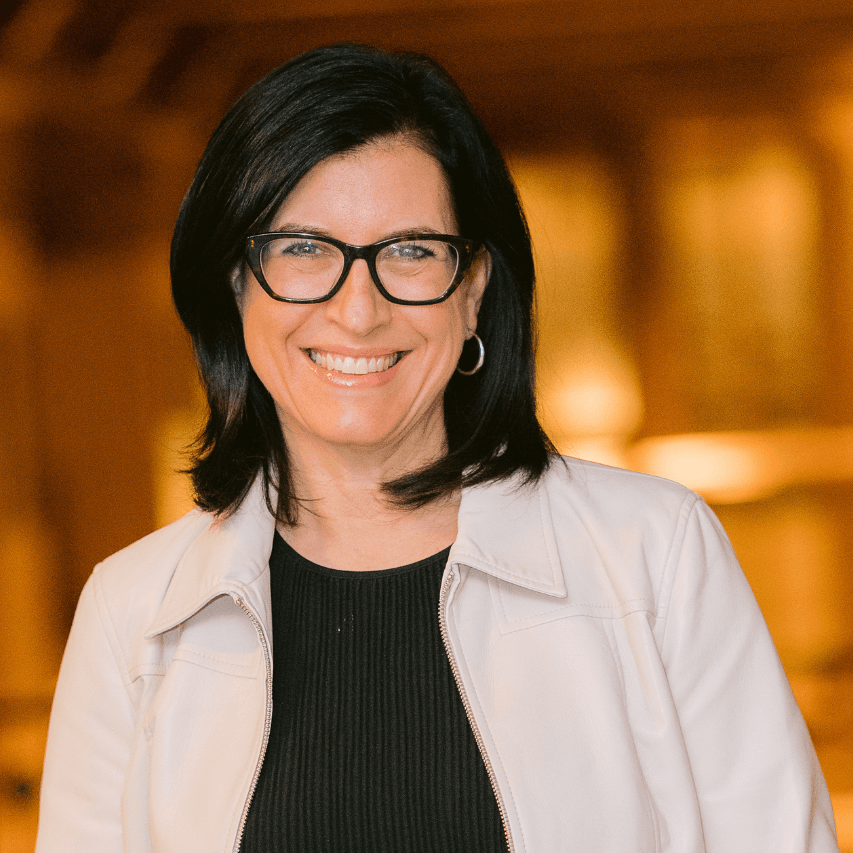
Trish Barbato, President and CEO, Arthritis Society Canada

“This isn’t an insignificant illness,” said Trish. “You can’t just pull up your socks and get on with it. It’s complicated. Treatments, where they exist at all, come with their own downsides. Big medications equal big, sometimes scary, side effects. And for some forms of arthritis, a joint replacement is the only option.”

But wait times for surgery are often longer than the recommended six months, leaving people immobilized and in pain.

“I may go off on a tangent here,” she warned, laughing – but there’s nothing funny about the delays, which she called patently unacceptable.

“People’s lives are in suspended animation while they wait, and that has practical, financial, and mental health implications. There needs to be more accountability. Period.”

That’s one reason why Trish, together with 21 partner organizations from across the country, is grabbing the bull by the horns.

Actions speak louder than words

“We’re creating an Arthritis Action Plan, and the operative word is action!” she exclaimed. “I have zero time for dust-gathering tomes. Been there, done that. The very act of convening this group is itself an action statement, because we’re casting the net beyond the usual suspects.”

The action plan is being informed by a diversity of worldviews, because arthritis “hits different” depending on your age, race or gender, she says.

As the co-founder of the volunteer-run Menopause Foundation of Canada, Trish is an advocate for ending stigma and sparking dialogue on health areas traditionally considered taboo.

“We need to start dragging topics shrouded in stigma into the light, like the MHCC has done with mental illness,” she said, “and we need to see chronic illness through a prism of diverse experiences. We need to say, ‘Look, arthritis is experienced differently by menopausal women; by child-bearing aged women; by Black women.’ We can’t be satisfied with one-size-fits all.”

She went on to tell me a heart-breaking story of a new mother whose arthritis was so severe that she was unable to pick up her newborn. “And people say it’s no big deal?” Trish shook her head.

Joining forces

After talking at length with Trish, I am more convinced than ever that while our constituencies may identify with a particular illness, their lives could be enriched by greater access to a range of services that our current system is ill-equipped to provide.

“We have a phone line or info e-mailbox, and most often people are looking for services that fall outside our acute care system…they need mental health supports, physiotherapy or occupational therapy, expensive medications,” said Trish.

I ask her what happens when people can’t find or afford these services.

The answer – unsurprisingly – is they go without. It’s in these areas of overlap where we see the potential for shared problem-solving.

As Health Partners, we have an opportunity to amplify our collective areas of need.

And that is precisely what MHCC & intends to do.

World Suicide Prevention Day is held annually on September 10. The theme for 2024 is Changing the Narrative on Suicide to transform how we perceive this complex issue. It’s about shifting from a culture of silence and stigma to one of openness, understanding, and support.

If you are feeling like you have lost hope and are struggling to cope, if you are dealing with thoughts of suicide, or if you are worried about someone else, call or text 9-8-8 at any time.

One night a few years ago, Aja Sax found herself alone in her apartment and completely overwhelmed with suicidal thoughts. It wasn’t the first time she’d experienced this feeling, but it was, by far, the most intense.

“The few days leading up to my most serious episode, I lived with this feeling that I wanted to take my own life because I just couldn’t see things ever getting better,” she recalls. “I couldn’t imagine ever being happy again.”

Sax says she’s had bouts of depressive thoughts for as long as she can remember. She had asked her parents about getting professional help when she was 12 years old, only to have her concerns dismissed. “My father laughed in my face. And my mother said, ‘You’re so young, what could you possibly be depressed about?’”

As a young adult, when she confided in friends, she felt that many “invalidated” her feelings and suggested the answer for her was meditation or sunrise yoga. Fortunately, she also had support from people—online and in person – who took her seriously and seemed to know exactly how and when to check in with her. One even stayed with her through her worst night and helped her take action to seek help in the morning.

“Those online relationships saved my life,” she says.

Sobering statistics

According to the World Health Organization, globally, more than 700,000 people die by suicide every year. In most regions, youth suicide rates are higher than other demographics, including in Canada where suicide is the second leading cause of death among people aged 18-34—youth and young adults.

A key piece in addressing this epidemic and reducing suicide rates is steering conversations about suicide away from those that can create more harm and, instead, in the direction of the kind that Aja credits with saving her life. To that end, the Mental Health Commission of Canada (MHCC) recently launched #ChatSafe, a resource designed to change the way we talk about self-harm and suicide.

Developed by a suicide prevention team under the guidance of professor Jo Robinson at Orygen, an Australian research institute focused on youth mental health, #ChatSafe is the world’s first evidence-based set of guidelines designed to support peer-to-peer communication about suicide and self-harm between young people aged 12-25. There is an additional resource for caregivers, and both tools include comprehensive and straightforward guidelines to avoiding unsafe language, imagery, and emotional triggers when having conversations about suicide and self-harm.

“There are a lot of misconceptions when it comes to the way we intervene with people and some of that comes from the language itself,” explains Nagi Abouzeid, a member of the MHCC Youth Council who is currently pursuing a Master of Science in rehabilitation sciences at the University of Montreal. “There’s a section in the #ChatSafe guidelines that outlines unsafe language, such as ‘commit suicide’ as opposed to the safer phrase ‘dying by suicide’. People use this old terminology and don’t realize where it comes from.”

Language matters

Prior to 1972, when it was decriminalized in Canada, suicide was a criminal offence that people “committed,” and non-fatal suicide incidents could be prosecuted. Although the legal status changed over 50 years ago, the words “commit” or “committed” still link it to immoral behaviour, which can lead to feelings of shame. In turn, that can discourage folks in distress from seeking help.

One of the first people to draw attention to the role language plays in our perceptions of suicide was Toronto writer Doris Sommer-Rotenberg, who, in a 1998 issue of the Canadian Medical Association Journal, specifically called out the use of the phrase “commit suicide.” Driven by a wish to “keep alive the vitality” of her son, a physician in his thirties who died by suicide, as well as a desire to help prevent similar tragedies, she helped kickstart a movement to overhaul the language of suicide.

In addition, she campaigned for a research chair in suicide studies in her son’s name, Arthur Sommer Rotenberg, at his alma mater, the University of Toronto, which was the first of its kind in North America. “This fact, in itself, attests to the silence that has historically surrounded the issue of suicide,” she observed.

In 2016, Sommer-Rotenberg was awarded the Governor General of Canada’s Meritorious Service Medal for her work in raising awareness of the silence and stigma surrounding suicide. In the roughly 25 years since she wrote her editorial, silence has become less of a problem, thanks, in part, to social media. There’s still plenty of fine-tuning to be done when it comes to language, however.

“While social media can be a source of connectedness for young people, it can also pose a risk to the safety of young people,” explains Nitika Rewari, Director, Prevention and Promotion Initiatives at the MHCC. “So, it is our responsibility to support young people to have the right tools and knowledge they need so they can safely communicate online about suicide and self harm. #ChatSafe guidelines can help.”

Often, as was the case with Aja Sax from our opening paragraphs, well-moderated virtual forums can help members get support and sage advice from others with lived experience of suicide and self-harm. However, the digital mental health landscape is also home to some influencers, how-to suicide sites, and even big budget productions that can veer into unsafe territory.

“The Netflix series 13 Reasons Why was developed in a way that really highlighted some of the things that we say not to broadcast, for example, means by which people attempt suicide,” Rewari says, noting that the series tackles some of society’s most complex mental health topics, such as adolescent suicide, bullying, and problematic substance use. She says such topics, especially as they relate to suicide and mental illness, could be raised in a more safe, sensitive, and responsible manner to avoid stigmatizing suicide and to encourage viewers to seek or offer help when needed.

Useful tools

Although there’s still plenty of debate as to the cause of the increase in monthly suicide rates the month that series was released, one study in the United States established that it was associated with a significant increase in suicide among youth. The researchers concluded that “caution regarding the exposure of children and adolescents to the series is warranted.”

#ChatSafe guidelines make it easy for participants in threads and content creators to learn when to use trigger alerts and how to avoid unsafe imagery, themes, or terms, thanks to its extraordinarily clear and plain-spoken language.

“Something I really appreciate, as a youth, is the practicality of the suggestions,” says Alisha Haseeb, currently in the health sciences undergraduate program at McMaster University and a member of the MHCC Youth Council.

“The guidelines go beyond identification of best and unhelpful practices by offering concrete and actionable alternatives, while also providing insight into why certain methods of engagement and communication are more effective than others, which really shows that this is rooted in evidence-based practice and encourages us to make decisions that are reflective of our intentions.”

She adds: “I think that reading through these guidelines is a great way to just be mindful of the language that we’re using and also to be mindful of the impact that it has and what kind of messaging we’re sending.”

The accessibility is also owing to the methodology professor Jo Robinson used to develop #ChatSafe. The suicide prevention team at Orygen consulted a diverse range of people representing different cultures from regions around the world, taking it way beyond the usual peer review system that’s generally limited to other academics and research scientists.

“I think there is certainly a disconnect between the generation that is designing services and guidelines for young people, and the way in which young people actually engage with those services,” says Haseeb. “Something that gives me a lot of confidence in this resource is that it is co-designed by youth who had living or lived experience of self-harm or suicide or had supported someone who was self-harming or suicidal.”

That has also made it easier to adapt it for use in 14 countries outside of Australia, including South Korea, Nigeria, Finland, Brazil and, of course, Canada.

“I’m delighted to have collaborated with MHCC to release the #ChatSafe guidelines across Canada,” says Orygen’s Jo Robinson. “There’s never been more need to empower young people to talk safely online about self-harm and suicide, along with the parents and carers in their communities. Together, we hope to see a safer internet for young people and successful help-seeking for those at risk.”

Resource: #ChatSafe: A guide to communicating safely online about self-harm and suicide.

Further reading: Surviving Suicide Loss: Navigating stigma, grief, and loss and finding healing, hope, and community support after a death by suicide. A personal story.

Author: , PhD, is a historian who writes about social issues. Her work is featured regularly in the Globe and Mail, and the Toronto Star. She is a National Magazine Award winner and the author of several books.

Are you reading this in the bathroom? You wouldn’t be the first.

Digital culture has invaded intimate parts of our lives – bedrooms, dinner tables – and in those formerly stolen moments like the line at the grocery store or, dangerously, sneaking a glance while driving.

Those notes, texts, scrolls, and posts add up until it becomes a habit – and that becomes the stuff of your life. Your mental space is crowded.

Increasingly, I hear friends and strangers say they want their brains back. They’re looking for meaningful ways to do that – a new hands-on hobby like the piano – or they’re installing concentration apps.

Thinking in Facebook posts

I remember reading a think-piece where the author talked about missing important life moments, such as observing a toddler’s first steps, and how his brain was already focused on filming it or even mentally drafting a tweet about it. I’ve caught myself doing something similar and missing the beauty of the moment. It’s insidious. Suddenly we think more about performing our lives over living them.

So, what can we do? Johann Hari’s book Stolen Focus: Why You Can’t Pay Attention (2022) notes that simplistic solutions like, “just don’t touch your phone” don’t reflect the realities of how these devices are engineered. 

They are designed to release dopamine making us spend way more time than we intended to, says Sophie H. Janicke-Bowles, a media psychologist and associate professor at Chapman University in California, in Psychology Today. Janicke-Bowles says, we need to know what “healthy” tech use actually looks like to foster it.

Technology differs in each of our lives

That’s why we’ve called this piece “design your digital diet.” It reflects the differing natures and needs of our technology use. Yes, we know – we’re online telling you to go away from the screen. However, is that not the challenge of our times? A digital diet means different things to different people. For example, a colleague uses the saying “sunshine before screen time,” to start and set the tone for the day. It works for her.

Making plans, ordering food, requesting a lift, looking for a date, finding a new shirt, or applying for a job requires interaction with a screen. It also taxes our mentality, time, focus, sense of self, and relationships.

To be sure, there are positive aspects. At the Mental Health Commission of Canada, we develop, promote, and encourage the use of quality, safe, culturally appropriate electronic mental health tools to bridge gaps in the healthcare system. Instant mental health care in your pocket. That’s a plus.

All to say, we can’t stop technology, but we can advocate for more control in the way it’s used so that we don’t ruin our capacity to pay attention.

Pay attention to your friends

The watering hole in my neighbourhood has a “pay attention to your friends” sign on the wall and printed on the menu. It’s part scolding and part invitation to disengage and reengage in a lost art – eye contact and conversation. The place is moody, low lit, and has great service – that should be enough to take us away from the vortex of our phones, yet it’s not. This nudge is kind of like holding up a mirror – um, duh, when did this phone thing become so normalized? If we need to be reminded, then it’s hard to wonder why we have a loneliness epidemic. I try to frequent that place. Elsewhere, it feels like everyone is always looking down, more engrossed in screens than in other humans’ expressions.

Surgeon says

When the U.S. surgeon general weighs in, you know stuff is serious. In June 2024, Dr. Vivek H. Murthy called for health warning labels on social media to address youth mental health issues. An advisory is reserved for significant public health challenges that require the nation’s immediate awareness and action – though, I’d argue it’s not confined to America, social media crosses borders.

The advisory notes that because adolescence is a vulnerable period of brain development, social media exposure during this period warrants additional scrutiny. Extreme, inappropriate, and harmful content continues to be widely accessible by children and adolescents, it notes, while underscoring the fact that social media also provides positive interactions and social support, especially for youth who are marginalized, including racial, ethnic, sexual, and gender minorities.

It notes that researchers believe that social media exposure can overstimulate the reward centre in the brain and, when stimulation becomes excessive, can trigger pathways comparable to substance use or gambling.

The features that keep us hooked are burrowing our brains: push notifications, autoplay, infinite scroll, likes and hearts, and algorithms that continually serve us the things we want. Ding! Ping!

Feel it

This technological invasion can manifest in strong responses: periods of complete disconnection or an engagement with more haptic elements – hands-on woodworking, say, or a new vinyl collection. For many, it’s also about re-engaging with in-person experiences like live theatre or concerts.

I like those shows where phones are banned. An early 2024 Trevor Noah comedy gig made me feel really present. I observed the design details of the old theatre, people’s reactions, the stage set up, and the issues being dissected through trenchant comedic bits. It took a security-endorsed phone ban to feel that good.

There was relief in taking in the experience unmitigated by a sea of small screens and feeling that collectivity. I admit wanting to steal a snap for my feed or personal memories. I also remember the olden days when we simply bought the t-shirt to say, ‘I was there.’

This is a generational bridge. Ensconced in a Gen X frame of reference, I straddle virtual and offline worlds. I know what it is to have made a call on a dial phone using a number I memorized – sometimes from a phone booth. I write in cursive, mail letters on paper, handled and paid in cash, read newspapers, found a location on a paper map, a phone number in the phone book, looked up something on microfiche, made mixed tapes as a form of flirtation and social currency, and took photos on film and had to wait until they came back from the camera shop – or 1-hour photo for the impatient – to see how they turned out. I often wonder about the different experiences of digital natives.

Another longing from an older era would be the craft of storytelling – whether it be oral histories or the written word – to convey meaning or share personal narratives. The essay The Crisis of Narration by Byung-Chul Han traces the change in storytelling. Once a communal bond over campfires that connected us to our pasts and provided a picture of the future, now those settings have been replaced by screens. The author calls this a transition to storyselling, a distinction that removes the artfulness and puts our personal lives into a commercial frame, which is, in essence, what we are doing. Like the saying goes, in social media, you are the product.

Ultimately, our relationship with technology is personal. We have to design our digital diet to reflect our realities, values, and needs – and consider the way it can enrich our lives. Mindful choices and intentional pauses can mitigate some of the nefarious effects of technology to support our mental well-being.

Log in, share your ideas for better digital engagement, and then log out for another activity. Books, friends, outings, or a digital pause. We’re crowdsourcing ideas on maintaining a balance. What do you do? Tell us on social media or via email: mhcc@mentalhealthcommission.ca. (We aren’t accepting postcard submissions, but we probably should).

Further reading: Tech Support: Online mental health support is breaking down barriers. We look at the potential of artificial intelligence and strategies for avoiding pitfalls.

You can’t learn anything from a pop up.

But you can learn lots from our digital magazine, the experts, and those who have lived experience. Get tips and insights delivered to your inbox every month for free!

Subscribe to The Catalyst

Close the CTA
This field is hidden when viewing the form