When we think about what makes something accessible to someone in the context of disability, we tend to consider three main things: Is there a ramp? Is there an elevator? Is there a button to access the entrance? After those three questions are answered by a venue or an event planner, we often think that our responsibility to make an event “accessible” is done. There is an unspoken belief that these three things make up accessibility in its entirety, but as all will tell you, it is much more than that. There is something that we don’t talk about enough when it comes to accessibility, and that is carrying the mental load of accessibility with you everywhere you go as a disabled person, and how that actually feels.

Andrew Gurza
As a power wheelchair user with severe disabilities, I know that finding out if somewhere is accessible, and whether or not I can actually go, can take weeks of planning and preparation. Let me give you an example. A couple of months ago, I found out that one of my favourite comedians was making a stop in Toronto. The second that I saw the date listed, I jumped at the chance to go. I hopped on the web and went to look for accessible tickets. I found what I thought were appropriate seating options, bought the tickets, and clicked off the website. Now, you might think that this is the end of it — that I bought the tickets, I’ll go to the show, and I’ll have a great time, right? If I’m honest, buying the tickets is where the real planning actually begins. From here, the true mental load takes shape, and it can start to have a real impact. Let me show you how:
After buying the tickets, I had to go on the website for the venue and scour through tabs and all the fine print to determine if the venue would meet my specific accessibility needs. It can be exhausting to do this because every venue has a slightly different understanding and interpretation of what accessibility truly means. Some venues will say that “just one step” is fully accessible, while some might say that a “bathroom downstairs with limited elevator access” is also fully accessible. Having to do that detective work just to enjoy a night out definitely takes a mental toll.
Add to that the fact that to see this comedian, I also have to consider how long the event is, so I can determine whether or not I’ll need specialized caregiving within that time frame or if I’ll be okay to go solo. To put it simply, will I need help to pee here? Or will I be okay to not pee, drink, or eat for this amount of time? People may not understand that every person with a disability isn’t automatically given a caregiver to assist them with everything; we often have to hire them on our own, and that can also have an effect on our mental health and our finances. If a caregiver you trust isn’t available and you have to take someone new who may not know your needs, or you can’t find someone at all, there is an added layer of stress. As for the financial stressor, care is often costly, so you have to do a complete time-cost analysis before ever leaving your house.
And we aren’t done yet! From here, I look into whether or not I can book a para-transit bus to get to the event. I’d have to book this bus a week in advance and know the precise start and end times of the event to know the exact times I could get a bus there and home safely. Many times the bus will drive you for an hour and a half before you reach your destination. Imagine leaving your house to go to an event in your city and not knowing whether your ride will be 10 minutes or two hours.
If I’m honest, all of these things weigh on me so much when I think about access and accessibility that, oftentimes, I’d rather just stay home. Staying home feels so much safer because I know that I can access all the things that I need as I need them, and I don’t have to worry about the ableism and inevitable inaccessibility I will encounter while out. But if I don’t go out, I’ll have fear of missing out because of lack of inclusion, and that can be very difficult to manage. It can make the whole idea of leaving my house seem like a gargantuan task, and I feel instantaneously jealous of non-disabled people, who don’t have all these extra tasks to contend with. It never really feels fair.
To underscore the impact accessibility has on disabled people’s mental health, I spoke with qualifying psychotherapist Kristen Williams, who has lived experience of disability:
Kristen Williams
“Accessibility is important to our mental health because it minimizes isolation and maximizes opportunity for connection. Lack of accessibility results in increased loneliness, real and perceived feelings of being unwanted and unwelcome, which over time can erode mental well-being. Non-disabled people take it for granted that they are going to have their basic needs met in public spaces, creating a sense of navigating the world with ease. This type of ableism has a profound impact on the mental health of disabled people, and I see it consistently in my work with disabled clients.”
As we can see, feeling like accessibility is your problem and responsibility creates feelings of being a burden for disabled people — including me. So, what can be done to alleviate this feeling?
To fully address the burdensome feeling that disabled people carry with them around accessibility, we need more community support. We need venues, vendors, and ticketing agencies to understand that by not providing clear accessibility information, they are negatively impacting the mental health of disabled people.
We also need more artists to take an active position on accessibility by agreeing to livestream events at accessible prices, so that if fans can’t physically attend, they can still have access to that experience. By doing this, the artist will be helping the mental health of disabled people by showing that access can look different for different individuals, and that is so important.
I could write 10 more paragraphs about all of the things that everyone could be doing (because believe me, there are so many more), but I think that one of the most important takeaways from all this is to recognize that accessibility isn’t just something you can tack on at the end of something. It has real-world consequences. People always presume that disabled people are sad or have bad mental health because they are disabled, but I would argue we are sad or angry because of the mental gymnastics we have to perform just to go out or socialize like everyone else. That’s a mental load that no one should have to carry by themselves.
Isaiah Neil was a varsity football player at the University of Alberta when he began experiencing what he now knows, at age 24, was extreme symptoms of an anxiety disorder. “My body would start to feel numb. I’d have heart palpitations and racing thoughts that completely debilitated my focus,” says Neil, now a youth mental health leader. Eventually, he would have “over dozens of fainting episodes” due to anxiety. He had no idea that his fear of failure in the classroom and on the field was the source of his paralyzing anxiety. After seeking support from coaches, therapists, and doctors and failing to find solutions, he survived a suicide attempt that ended his 14-year football career. It was the beginning of a new career path. He shifted his focus to youth mental health advocacy, policy, and research.
Today, with ongoing support, he has learned to navigate anxiety and now often finds himself on stage in front of hundreds of youth. Using the ancient practice of storytelling, he’s now educating the next generation on mental health and resilience and inspiring them. “Today is better than yesterday but today is never perfect,” he says. “I still struggle, but now I have shifted to a growth mindset. Adversity will always be part of life. The only way we fail is if we choose to give up.”
Isaiah Neil
That is an inspiring and hopeful message for the growing number of young people in Canada and around the world who, according to numerous studies and reports, experience levels of anxiety that affect their ability to enjoy normal activities and build healthy relationships. As Neil’s experience attests, untreated anxiety can lead to physical symptoms, phobias, depression, and avoidance behaviour that interfere with daily life and goals. Eventually, it can lead to suicidal ideation.
These are serious concerns that need to be urgently addressed, say mental health experts. Among the key findings of “A Generation at Risk: The State of Youth Mental Health in Canada,” a 2024 report commissioned by Bell’s Let’s Talk campaign, “Youth mental health is in serious decline, with increasing rates of anxiety, depression, and suicidal ideation. [It is] a disturbing trend that is particularly pronounced among marginalized groups such as 2SLGBTQI+ communities, newcomers, and Indigenous youth.”
The report was produced in collaboration with numerous organizations grappling with the impact of the trend, including Kids Help Phone, Jack.org, Aire Ouverte, the National Association of Friendship Centres, Youth Wellness Hubs, and the Youth in Mind Foundation.
Across the country, social service organizations, health-care providers, and families are trying to respond, often with limited resources, to the growing problems young people are facing.
“We absolutely see an increase in anxiety, and anxiety is almost always accompanied by other mental health issues, substance use, or other social determinants of health,” says Cynthia Peacock, director of mental health services at the Youth Services Bureau of Ottawa (YSB), which offers a variety of mental health services, including a walk-in clinic, youth and family counselling, and a 24/7 crisis line. Organizations like YSB are trying to stretch their services to meet the increased demand and find ways to prevent mental health issues from becoming critical. “Of course, call us when you’re in crisis. But we really want to see youth when there is just an inkling of discomfort. We don’t need to wait until things are at the pinnacle of distress. We can offer support before that.”
Why are increasing numbers of young people in Canada feeling so anxious?
While each individual faces unique issues, mental health experts point to several social and cultural trends fuelling emotional troubles for young people.
- Increased isolation: The pandemic affected young people when they were learning critical skills such as how to socialize and make lasting friendships. “The isolation and uncertainty caused by lockdowns and social distancing measures exacerbated feelings of loneliness and anxiety,” write B.C. authors Matin Moradkhan and Saba Vatanpour, on behalf of the Let’s Talk Mental Health Foundation, in their UNICEF Canada article “Youth Mental Health Crisis: The Pandemic Fallout.”
- Screen time versus in-person connection: “A Generation at Risk” reports that “youth with high personal screen time (6+ hours daily) are 2.35 times more likely to experience suicidal ideation (34% vs. 14%), alcohol dependency (12% vs. 6%), and cannabis dependency (18% vs. 6%). High screen time also correlates with a 2.5 times higher rate of self-rated anxiety (28% vs. 12%) and severe mental health symptoms.” Self-esteem and body image issues, especially for young women, may also result from spending time online looking at altered, unrealistic images of others.
- Stigma and marginalization: Another concerning report finding was that over half of the youth who reached out for help with their mental health identified as 2SLGBTQI+. Additionally, 10% identified as Indigenous (vs. 5% of the overall population), and 6% identified as Black (vs. 4% of the overall population).
- Young newcomers to Canada: Many reported feeling isolated, haunted by past trauma and racism, and reluctant to seek help for fear of being misunderstood.
- Climate change anxiety: Fifty per cent of young people stated that climate change issues had had a negative effect on their mental health.
- AI and anxiety: While AI can be useful when used ethically, it is already having a negative impact on mental health. Young people are particularly vulnerable. Lawsuits allege that young people were influenced to end their own lives through disturbing AI manipulation.
Trouble finding help
Youth who participated in the report spoke of the difficulty they had finding appropriate, affordable, and available services to address issues like debilitating anxiety. Wait times of four weeks or even months were unhelpful when their issues were acute. They also pointed to the problem of “frequent rotation of counsellors,” and students worried about where they would find affordable help after they graduated.
These concerns are among the main issues addressed by the Commission’s National Standard for Mental Health and Well-Being for Post-Secondary Students. The goal is to help post-secondary institutions provide the best possible mental health supports for their students, from positive classroom environments to reduced wait times for counselling.
Beyond post-secondary institutions, experts say that the mental health care system needs radical changes to effectively serve young people. Problems identified in “A Generation at Risk” include widespread government underfunding for mental health services and a lack of coordination among care providers.
To truly address youth mental health issues, say organizations like YSB and those behind the “A Generation at Risk” report, federal and provincial governments need to focus on increasing mental health literacy, prevention, and early intervention to help young people recognize problems and get the help they need before they are in crisis.
Cynthia Peacock
“We need to take a harm reduction approach to mental health,” says Peacock. “We can intervene early and stabilize the young person, so we avoid those peak heightened moments.”
Parents play a critical role in supporting their children as they deal with mental health issues. But finding the right help in a complex system can be confusing. Peacock points to initiatives like 1Call1Click, a collaboration between YSB and the Children’s Hospital of Eastern Ontario (CHEO), which simplify the process of connecting to services when people are in distress and navigating unfamiliar territory.
Self-help
When a young person is feeling lonely and overwhelmed by anxiety, whatever the source, it’s important to “speak out, tell someone,” says Neil. “You cannot attempt to solve any problem without first verbalizing it and describing its challenges. Speaking about your mental health in itself can help alleviate some pressure.” Neil strongly believes in the power of storytelling and one-on-one connections to help break through isolation. He is the founder and speaker of Blue Shoes, a brand and message named for the story of the coach who gave him a pair of blue sneakers that gave him hope at a time when he had no hope to live. It’s a powerful message that he hopes will remind people that “it only takes a moment to support someone struggling with their mental health.”
Mental health providers agree. “Make contact with others,” says Peacock. “It’s so easy for this online generation to isolate. Find your people — not on the computer.” Stop doomscrolling and cultivate friendships and activities offline. Remember, it’s okay to reach out for help with uncomfortable feelings. Don’t wait until there’s a crisis.
When Chris Cull was a teenager living in Bowmanville, Ont., his father was diagnosed with Huntington’s disease. “I started drinking really heavy to kind of cope with what was going on with him,” he shares. Soon after, his father started trying to take his own life on a consistent basis, and he died by suicide when Cull was 22. “Riding that line of stress for as long as I did, I sought out Percocets,” he says. “I became addicted to not feeling the stress as much as it was the actual substance itself.”
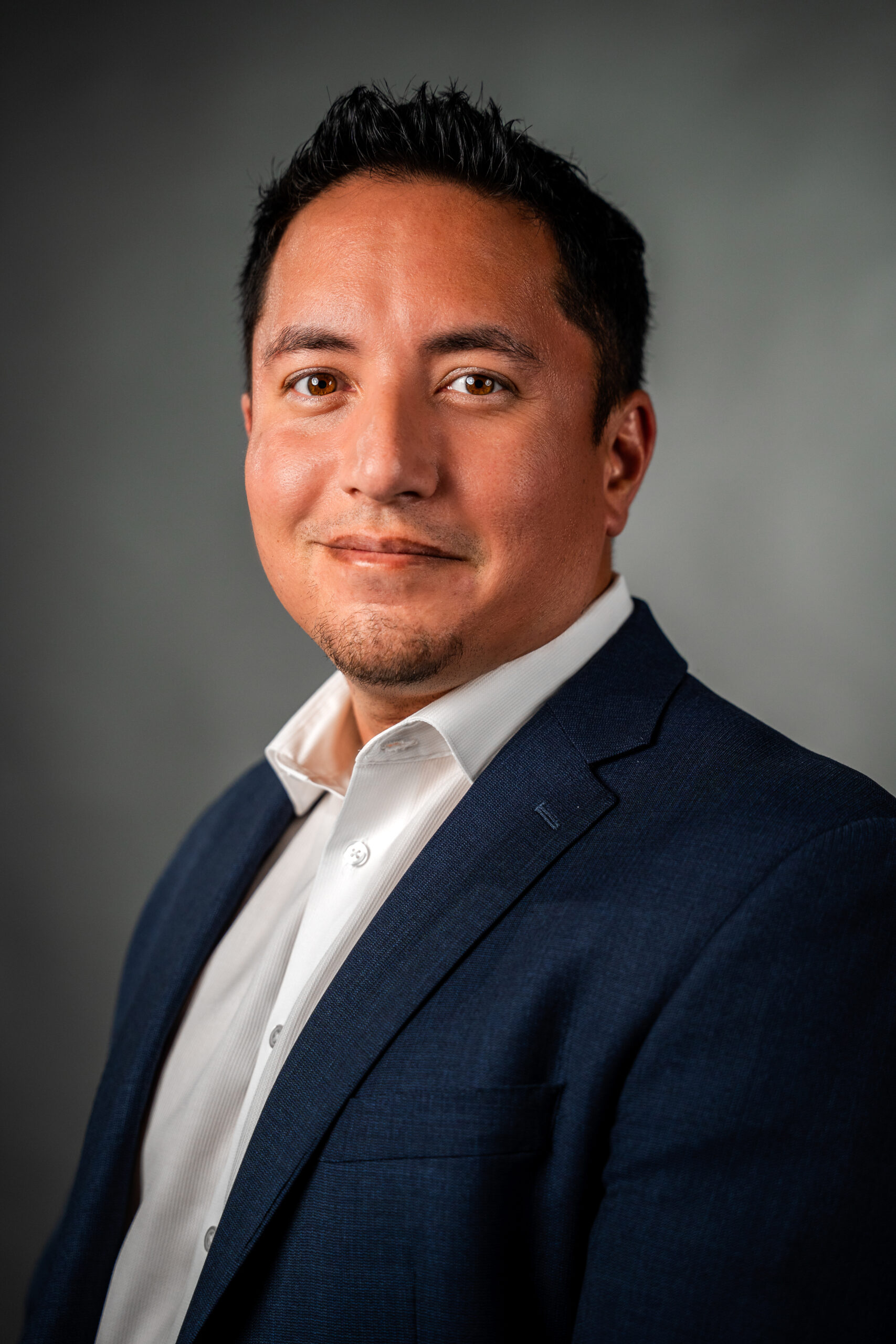
Chris Cull
Life continued to be challenging for Mr. Cull after his dad passed away. Although his father left him his mortgage-free home and six figures in the bank, Mr. Cull says he spent the money on substances. “I was using around 580 milligrams of OxyContin a day for a couple of years. I lost a girlfriend I wanted to marry at the time. I lost everything that meant anything to me,” he says. “I then went on methadone because I didn’t know addiction services existed.”
It was his local library that kickstarted his road to recovery. “I didn’t have cable, internet, a computer, so the only entertainment I had was what I got from the Bowmanville library on my way home from the methadone clinic,” he says. “I would just take out a few books every time I was there.… And then I found a book called Man’s Search for Meaning by Dr. Viktor Frankl and that changed my whole perspective on life. It taught me to more or less find meaning in the suffering of it all and that I could actually use this and turn it into something positive.”
Soon after, Mr. Cull decided he was going to get off methadone and ride a bike from Victoria, B.C., to St. John’s, Nfld., to film a documentary on the opioid crisis in Canada. “It’s a tall dream to have when you have no experience in film, journalism, public speaking, public relations. I hadn’t ridden a bike in 10 years. I was on 120 milligrams of methadone and I’d steal my food to eat.”
But, despite the odds, he did it.
Since then, he’s racked up an impressive list of accomplishments. He now serves on the Crisis Intervention Team in an Oshawa, Ont., emergency department, consults on strategy and policy for groups including the World Health Organization, and has represented Canada at the United Nations Commission on Narcotic Drugs. He’s also a filmmaker, motivational speaker, and author of a book about his journey, which will be released in the coming year.
Mr. Cull, of course, is not the only person to find themselves using opioids early in life. According to Health Canada, between 2014 and 2024, there was a statistically significant increase in the number of students in grades seven to 12 who reported using prescription opioid pain relievers for non-recommended purposes. For example, in 2014, 4.2 per cent of grade 11 students reported doing so; by 2024, this had increased to 7.8 per cent. And since 2016, youth under age 29 who have died from opioid toxicity account for between 15 and 22 per cent of all opioid deaths in Canada, depending on the year.

Dr. Kim Corace
Dr. Kim Corace, vice president of innovation and senior scientist at the Canadian Centre on Substance Use and Addiction and associate professor of psychiatry at the University of Ottawa, says it’s important to look at the issue holistically. “We know young people who have substance use health problems are more likely to develop mental health problems and that young people with mental health problems are more likely to develop substance use health problems ” she says. “When an individual is experiencing both, the natural mindset is we need to treat one problem before the other to be successful. We need to change that approach. Since both issues are so intertwined with each other, to be most effective we need to treat them simultaneously.”
Unfortunately, there can be many obstacles for youth in accessing help, such as geographic and financial barriers, the complexity of navigating the health-care system, transportation accessibility, education commitments, and, as Mr. Cull experienced, stigma. “Funny enough, I [now] work in the same emergency department where I was accused of breaking my finger on purpose to get painkillers,” he says. “I’ve been called everything you can imagine.”
There are also systemic barriers. “We often presume whatever worked with adults, we’d just adapt for kids,” says Dr. Corace. “That concept that young people are just smaller adults, when they’re not, they have their own unique needs, their own experiences, where they get help is going to be different, how they experience their disorders and comorbidities [is different].”
She adds: “There’s a lack of professionals who would feel that they have the capacity to work with people who have significant opioid use … and concurrent disorders in general. And then that is disproportionately felt by young people because then they have even less services and less providers that feel confident and competent to treat them.”
How do we move forward? One important step is for communities to work alongside young people with lived experience and their families because recovery looks different for everyone. “It’s important to work with our young people and not have that one-size-fits-all approach,” says Dr. Corace. “You can’t design systems for people; we have to design systems with people.”
Having more people like Mr. Cull in front-line positions is part of that. “They’re like, ‘You get it.’ I’m like, ‘Yeah, I get it and I promise you this isn’t the end,’” he says. “There’s an inherent power dynamic between a nurse and a patient.… But me, like I remove all that completely.”
And, as Dr. Corace suggests, integrated treatment should become the norm. “Currently patients get their mental health treatment from mental health services and their substance use health treatment from substance use health services, when really, we know the gold standard is integrated treatment from one team. Doesn’t have to all be in the same location, but we’re treating both together.”
For youth navigating opioid use, those kinds of changes can make a meaningful difference.
When Sarah Ford agreed to speak with me about the Canadian Hemophilia Society’s upcoming name change, I’ll admit my knowledge of bleeding disorders was limited — largely informed by pervasive myths and misperceptions.
During our conversation, my understanding deepened, and the parallels with mental health became impossible to ignore: intergenerational trauma, vigilance born of past harms, the weight of stigma, and the challenge of reaching those who don’t yet know they need help.
This is familiar territory for the Mental Health Commission of Canada. And it’s proof that our health challenges, while distinct, share common threads.
The Canadian Hemophilia Society gets a new name
After 73 years, the Canadian Hemophilia Society is poised for a major change. The organization will soon become formally known as Bleeding Disorders Canada.
Sarah Ford, the non-profit’s CEO, recognizes that with a new name comes a new identity.
“Reaching a consensus on something this momentous is never easy,” says Sarah on a Zoom call from her Montreal office. “It’s walking a fine line.”
On the one hand, it’s imperative to honour a rich and storied legacy that dates back to the organization’s founding in 1953. On the other, there is a need to broaden the tent to include people who’ve been historically underserved.
As Sarah navigates this delicate balance, she’s always mindful of the resilience and determination of this small but mighty community — one that has borne an outsized burden.
When a life-saving treatment turns deadly
“Before treatments were available, hemophilia could have been life-threatening, more or less,” she reflects.
The disorder prevents blood from clotting properly, which can lead to internal bleeding and harm to joints. The knees, ankles, and elbows are especially vulnerable. When bleeding occurs in a vital organ, it can be life threatening.
“Then in the 1980s, you had this incredible moment of optimism.”
Sarah is referring to the advent of clotting medications extracted from donated blood, with thousands of plasma donations being pooled into a single batch. These concentrates were able to treat internal bleeding via small infusions, and individuals no longer had to be hooked up to a machine for days.
With this breakthrough came fresh hope — until it was revealed that thousands of people who had received these life-saving treatments had become infected with HIV and hepatitis C as a result of a contaminated blood supply.
“That nascent hope was crushed overnight,” says Sarah. “Many died from the very treatment meant to save them.”
Keeping history close
Decades later, the fear, anger, and grief remain fresh for those who were affected by the contaminated blood supply.
“A woman who lost her father, brother, or uncle at that time, and is now contemplating giving birth — how can we not describe this as intergenerational trauma?” asks Sarah, who felt compelled to memorialize these experiences.
“We need to keep our history close so that we can continue to learn from it. It’s about honouring the previous generations, while protecting those coming up after.”
This felt especially important in the lead-up to a name change. There needed to be reassurance for those early advocates that they would still be very much in the fold.
Led by volunteers, Sarah put the wheels in motion to build a digital national memorial dedicated to those who died and whose lives were forever changed — a reminder of the heavy toll of the past and the need for ongoing vigilance and advocacy.
She anticipates a year of behind-the-scenes work to gather the content and personal reflections that will immortalize the tenacity of those dealt a double blow: first an inherited bleeding disorder, then a diagnosis of HIV or hepatitis C.
“The bleeding disorders community is made up of people who were failed by a system that was supposed to protect them. But because of that, they are among the most savvy, literate, and tireless advocates.”
That watchdog role (what the organization calls hemovigilance) remains critical. And it is one that benefits not just the tight-knit bleeding disorders community, but many others who may need transfusions for various medical reasons.
“We need to make sure the systems are in place to avoid these kinds of preventable public health disasters.”
Next year, 2027, will mark 30 years since the seminal Krever report, which recommended sweeping reforms to ensure a safe blood supply.
“We can’t let these harms from the past become part of a more faded history. We are standing on the shoulders of those who lost so much.”
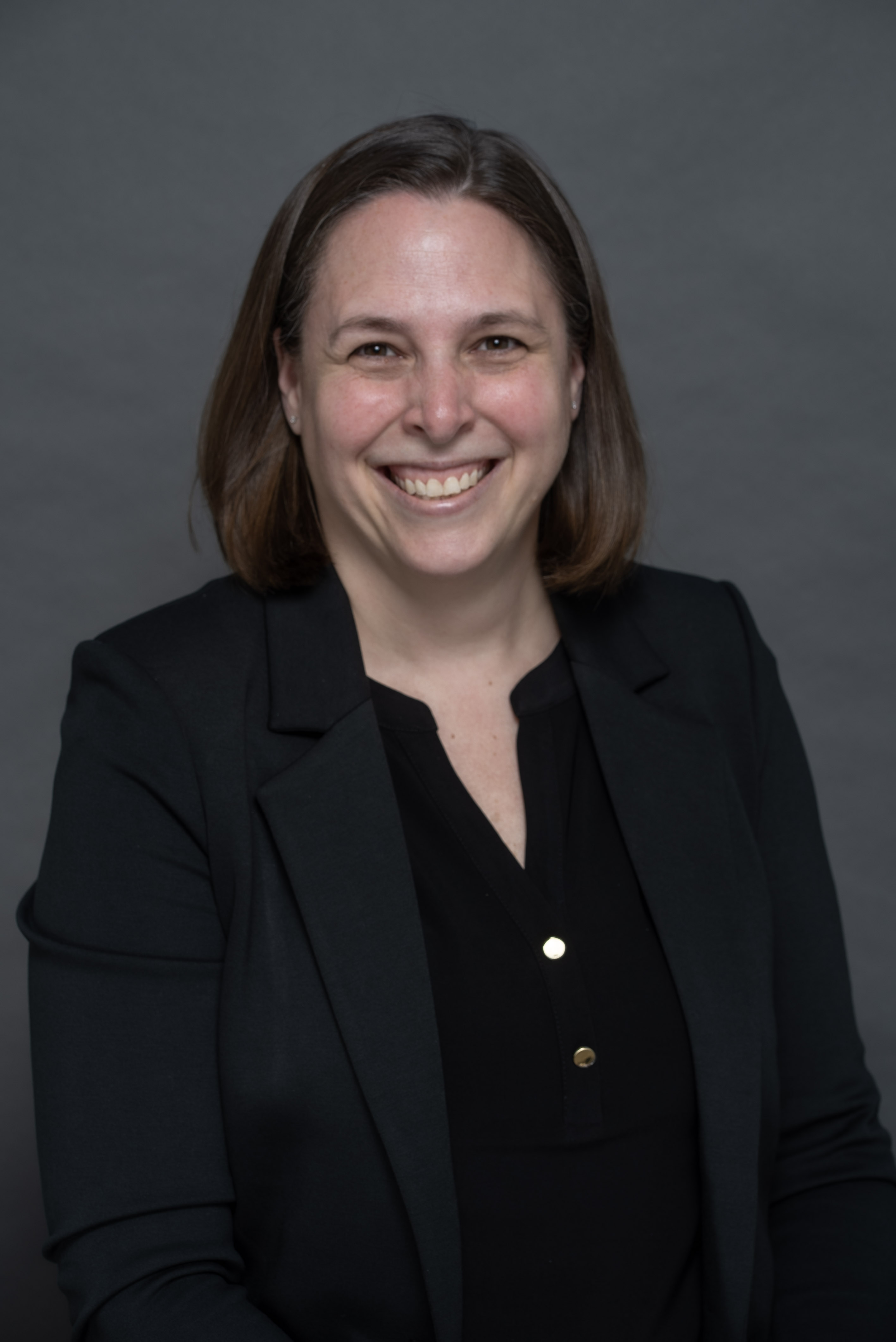
Sarah Ford
More than skin deep
The psychological toll of living with a bleeding disorder runs deeper than the tainted blood tragedy. Globally, some 47 per cent of people living with a blood disorder experience anxiety.
This can be compounded by the stigma attached to an inherited condition, whether it’s fear of insurance complications, workplace discrimination, or concerns about alienating a potential life partner.
“These aren’t abstract worries,” Sarah explains. People make real decisions about disclosure, career paths, and relationships on the basis of fear of how they’ll be perceived.
Inherited bleeding disorders remain prone to mischaracterization. Hemophilia has been mythologized as a disease of the royal line. This is technically true, because Queen Victoria passed hemophilia on to her heirs, but it’s certainly not limited to blue bloods. There is still a pervasive idea that people with hemophilia might bleed to death from a simple cut. Or that hemophilia is exclusive to males.
These misunderstandings matter. They affect diagnosis, treatment, and how people understand their own experiences.
Building a bigger tent
As the original cohort of advocates ages and innovative treatments for hemophilia, like gene therapies, come online, the organization’s shift toward a more inclusive name makes it easier for people to find community and support without having to navigate outdated perceptions.
Sarah ticks off populations that could be better served: women and girls, those with von Willebrand disease (VWD), people living with rare factor deficiencies or rare platelet disorders, and those in rural or remote communities.
“We have to keep our shoulder to progress, and we do that by putting up a bigger tent. If we want the game-changing therapies we’re seeing for hemophilia extended across other blood disorders, we need a new generation of advocates.”
Women and girls, in particular, have been given short shrift for too long. They’ve been labelled as “carriers,” which negates their lived experience beyond childbirth. The organization has spotlighted stories of those like sisters Erin and Emileigh who openly discuss everything from the onset of their periods (painful, heavy), to bruising and joint pain (often), to anxieties about travelling and becoming injured. These experiences have been worsened by doctors’ dismissive attitudes and delayed treatments — which is why Bleeding Disorders Canada is stepping up to the plate.
“Our understanding of these disorders among the female population is a huge part of achieving equity,” Sarah says, who acknowledges it’s not always an easy subject to broach.
“Think about young women getting their periods for the first time. Then layer on the trauma of menorrhagia — heavy menstrual bleeding. Many would rather talk about anything else.”
If Bleeding Disorders Canada wants to be the go-to for information — the first call when someone has a new diagnosis or is wrestling with the possibility — then identifying themselves as that trusted source starts with a name.
Right now, a woman might not see her experience reflected when she comes across the Canadian Hemophilia Society. “And yet,” explains Sarah, “we’re already doing work on her behalf. We’re advocating for her. In all but name only.”
Meeting people where they are
Bleeding Disorders Canada is undertaking a rebrand, but the work won’t diminish. “It’s only going to expand.”
The organization works with health-care providers to ask where the questions are and what community members need to know. Plans include expanding education on everything from novel therapies for hemophilia to updated information on VWD.
“People want concrete, reliable information they can bring with them to their health-care team,” she says.
Increasingly, not-for-profits fill that knowledge gap, providing unbiased, well-researched resources in an era when seeking verified health information can feel a lot like drinking from a firehose.
“Some people want stacks of peer-reviewed journals; others want an infographic they can digest at a glance. We do our best to meet people where they are.”
If you build it, they will come
Closing the knowledge gap for those who may need information but don’t yet have it is part of Bleeding Disorders Canada’s new strategic direction.
Sarah shares a striking statistic: “We have 5,000 people living with VWD registered in the national bleeding disorder database, and that number should be closer to 25,000.”
The new name is a marquee, a signpost that all are welcome. Sarah believes if you build it, they will come.
She lights up when she talks about recently sending three women to the World Federation of Hemophilia 2026 World Congress: “One has von Willebrand disease, one lives with mild hemophilia, and one has a son with severe hemophilia. Two are training as medical practitioners. There is this sense of excitement, this feeling of being at the centre of this conversation. A real feeling of new possibilities.”
I ask if the need for advocacy has decreased as treatments have evolved.
“No!” On this point, Sarah is emphatic. “Applying advocacy to protect care systems and hard-won wisdom to improve conditions for underserved populations — this is an area of tremendous need. It’s an incredible time to see how quickly things are changing.”
The official name change will happen this June, with a transition period focused on logistics — ensuring the chain of communication between community members, decision-makers, and others remains unbroken.
“Whether we are CHS or Bleeding Disorders Canada, what remains true is that we’re dedicated to foundational education and committed to being a trusted source of information for all our constituents — even those who haven’t yet arrived at our door.”
For those who want to get involved, Bleeding Disorders Canada offers volunteering opportunities and peer support programs and maintains links to provincial chapters across the country. The website serves as a hub for resources and information.
As Sarah puts it: “For the community, by the community, with the community.”
To learn more, visit www.hemophilia.ca.
For one thing, her son, J, was only 18 months old. For another, his level of absorption was hard to interrupt; he wouldn’t resume their walk until he’d finished finger-tracing all the letters and numbers on each plate.
At the time, Dyan wasn’t sure what to make of this unusual behaviour. Soon, though, she noticed more patterns that didn’t fit the usual toddler profile. Shortly after J’s second birthday, he started reading and spelling difficult words — without being taught and without making any mistakes (no cute “kid-invented” spellings). He’d experience meltdowns when the clocks in their house were out of sync, even by a minute. Videos weren’t identified by their title but by their precise duration. And he insisted on watching the end credits, captivated by the scrolling letters.
For years, Dyan searched for an explanation for J’s behaviours, finding little information that matched J’s experiences. When he was finally diagnosed with hyperlexia and hypernumeracy, there were more questions than answers. The challenges of finding ways to support her son continued. As she recalls in her first-hand account, This is Hyperlexia, “the psychologist’s help was minimal: she basically handed me a piece of paper and said, ‘See you in three years. A full report will be mailed to you shortly.’”
The challenges of supporting her son led Dyan to years of learning, advocacy, and resource-building. Along the way, she learned that hyperlexia and hypernumeracy are examples of a broader range of differences known as neurodivergence. J’s story is not only the story of one family’s journey; it also offers a window into how we are beginning to understand and appreciate the true diversity of human thinking and processing.
What is neurodiversity?
J’s way of interacting with the world is part of what researchers, clinicians, and advocates call neurodivergence, a term that encompasses autism spectrum disorder (ASD), attention deficit hyperactivity disorder (ADHD), dyslexia, Tourette’s syndrome, and a growing list of other ways people perceive, learn, and engage with their surroundings. Each of these reflects the genuine diversity in our brains. It turns out that, like fingerprints, no two brains are alike. Even identical twins have unique brains.
The term “neurodiversity,” often attributed to Australian sociologist Judy Singer, emerged in the 1990s to reflect this insight about the unique nature of brains. But Singer’s intention was to connect that fact to human rights for people who are deemed neurodivergent. As she describes it, “‘Neuro’ was a reference to the rise of neuroscience. ‘Diversity’ is a political term; it originated with the Black American civil rights movement…. As a word, ‘neurodiversity’ describes the whole of humanity. But the neurodiversity movement is a political movement for people who want their human rights.”
Singer’s aim was to recognize our neurodiverse experiences while enshrining the rights, dignity, and inclusion of people whose ways of thinking and processing fall outside what’s considered typical. While each of us has a unique brain, about 20 per cent of us are considered neurodivergent and 80 per cent neurotypical (those whose experiences align with prevailing expectations).
That said, reaching consensus on how unique brains connect to neurodivergent experiences has been challenging among researchers, clinicians, and sociologists, as it has for those in the neurodiverse community. Debates are ongoing about whether neurodivergent people are best understood by perceived advantages, impairments, or disorders — or by processing differences that reflect their identity.
The significance of these debates becomes clearer when we consider that no one can choose how their mind works. This reality underscores the need to emphasize the rights of neurodivergent people, especially when we recognize that neurodivergent experiences are not illnesses to be cured but rather intrinsic aspects of each person who has them. As such, these individuals’ ways of thinking and processing the world, in all their forms, are best understood, supported, and accommodated in accordance with their rights as human beings.
Supporting neurodivergence
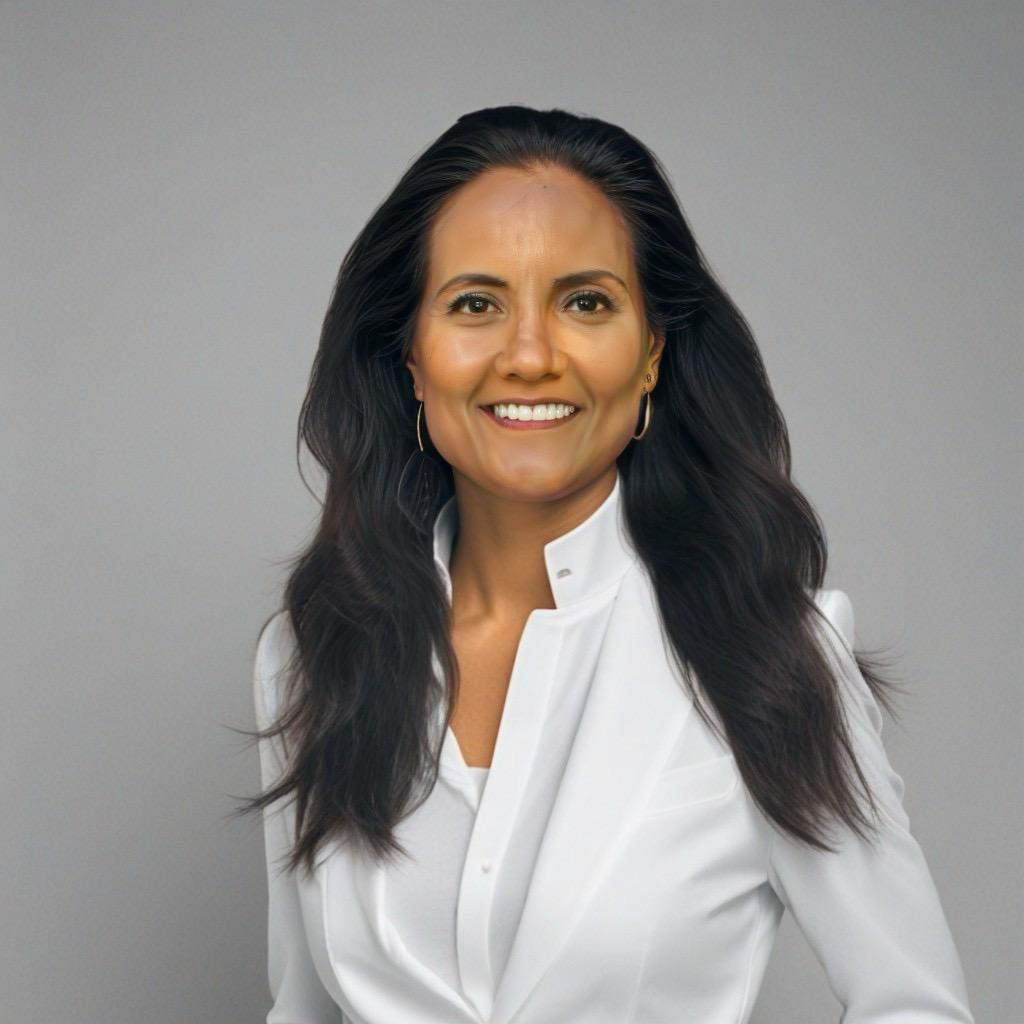
Kim Shah, president of ION Canada
This shift in perspective toward a language of variation can be crucial for giving neurodivergent people practical supports. For Kim Shah, president of the Institute of Neurodiversity (ION) Canada, such an approach lets us see neurodiversity as “a natural form of human biodiversity: a dimension of variation in human cognitive processing and sensory experience.”
That said, what neurodivergent people experience must also be recognized if the supports are to be effective. One aspect of neurodivergence relates to “pronounced peaks and valleys in abilities and experiences,” she says, which make neurodivergence “conceptually distinct from mental health and disability,” while standing in “a complex relational interaction with both.”
As Kim explains, this “spiky profile” defines when and where supports are most helpful. “The skills associated with the peaks, such as creativity, pattern recognition, determination, enhanced sensory perception, and hyperfocus, can be deeply valuable for individual flourishing and for communities,” she says.
The “valley experiences,” on the other hand, arise not just from being neurodivergent but also from “misalignments” between the world and neurodivergent people’s needs. Among them are emotional experiences like high stress, burnout, anxiety, depression, and/or feelings of social isolation. But “they often emerge,” she adds, from “social and physical elements” such as dissonant “environments, systems, and attitudes that don’t fit with neurodivergent needs.”
Dyan’s experiences with J’s hyperlexia emphasize how peaks and valleys apply to abilities, skills, strengths, and weaknesses. People with spiky profiles (which are often found in hyperlexic and autistic people) “excel in certain areas or with certain tasks, but struggle in others,” she says. While all people have strengths and weaknesses, they are much more pronounced in neurodivergent people. For example, individuals with hyperlexia may be able to read without being taught but also “struggle with comprehension.” Or else they “might test off the charts for math, spelling, or spatial skills. Yet, they’re six and still not potty trained.”
Beyond these examples, Kim often emphasizes the individuality expressed in the phrase “When you’ve met one neurodivergent person, you’ve met one neurodivergent person.” Still, she says, while experiences vary widely, “there are shared patterns in what helps neurodivergent people flourish: including sensory-friendly spaces, flexible communication, respectful pacing for their work, and understanding from others.”
That said, as the neurodiversity movement continues to grow, Kim finds a significant gap in the resources currently available to help “families, caregivers, and professionals navigate and appreciate the richness and diversity of neurodivergent lives.” To address it, she believes “health care, education, and other crucial systems must evolve toward a relational, rights-based approach that actively nurtures and supports neurodivergent people and their communities.”
Embracing neurodivergence
J’s journey reminds us that every person’s way of experiencing the world is valid and worthy of respect. Embracing neurodivergence means accepting what it calls on us to do: build communities, workplaces, and schools that are flexible and supportive while recognizing that rights and dignity extend beyond what is neurotypical. By hearing about lived experiences like Dyan’s and J’s, we can learn about the kinds and levels of support neurodivergent people might need. The willingness to listen can also help improve our collective understanding of the full extent of human cognition and sensory experiences.
Mental health concerns and illnesses have a serious economic impact on the Canadian workforce. The annual cost of mental illness in Canada is estimated at $51 billion, including lost productivity. At least 500,000 Canadians miss work because of mental illness every week. One in five Canadians experience mental illness in any given year, and many more will experience mental health concerns and burnout. This in turn increases turnover and affects the ability of employers to retain good employees.
Burnout and mental illness
In fact, in 2025, 39% of Canadian employees reported feeling burnt out, a number that rose from 35% in 2023. Burnout costs employers up to $28,500 per employee annually in lost productivity and turnover. It is one of the strongest predictors of turnover, and organizations that invest in burnout prevention see burnout rates drop to 27%, compared with 47% in organizations that take no action.
Mental health concerns like burnout and mental illnesses like depression, anxiety and ADHD affect the workforce at high rates and create barriers to employee success. Mental illness can lead to disability that affects performance.
Mental health disabilities
The workplace is not made for persons with disabilities. Barriers abound. And yet employees with disabilities are among our most determined, resilient, and creative problem solvers, who have honed these skills over a lifetime of solving complex problems each day in their personal lives. In 2022, 10.4% of Canadians over the age of 15 reported having a mental health-related disability. In the same year, 35% of employed Canadians with disabilities needed at least one workplace accommodation and yet 35% of those who needed accommodations did not ask for them because of the associated stigma. Workplace training like Opening Minds’ The Working Mind can help reduce mental health stigma among employees, and creating a psychologically healthy and safe workplace by applying the National Standard of Canada for Psychological Health and Safety in the Workplace can make the workplace a better environment for people with mental health disabilities.
When barriers present themselves in the workplace, how we respond is critical. Mental health is consistently one of the top issues in employee retention, and accommodations act as the “bridge” between an employee’s mental health needs and their ability to remain productive and committed to their employer. Kristin Bower, a consultant and co-founder of Leda HR, concurs. She needed a workplace accommodation because of a mental health disability early in her career and shares, “There’s the retention piece right there: when I personally wasn’t supported, I didn’t feel a sense of loyalty, rapport or belonging to my employer.”
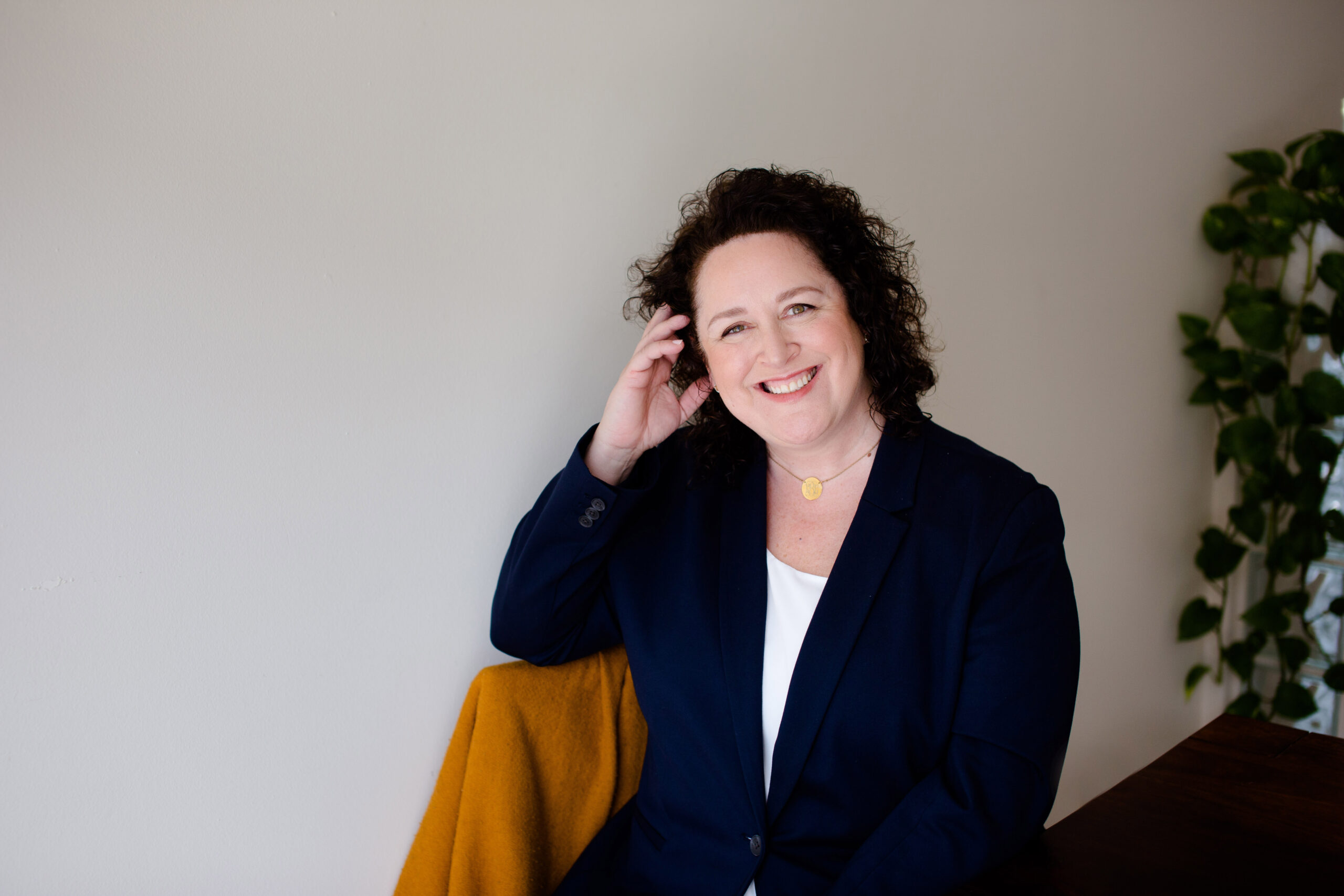
Kristin Bower
Accommodations for mental illness
We tend to think of accommodation for persons with disabilities as building ramps for those using wheelchairs, but it is sometimes less clear how to accommodate a mental health disability. “People leaders don’t need to be the experts,” says Bower. “The accommodation process is one that should be a shared accountability between the person who needs the accommodation and the employer.”
I work in a typical office environment, and because of my mental health disability I have faced many barriers to success in my 15+-year career. For example, some medications that I have taken have caused me to be groggy and sleepy in the morning, making my typical 7 a.m. start time difficult to achieve. At other times, because of cognitive symptoms I have found it difficult to focus on reading long, complex documents from my computer screen. Sitting in an open-concept office space, surrounded by movement and noises, has often made concentrating particularly difficult when I have been experiencing symptoms. All of these issues have been barriers to reaching my full potential at work and have had the potential to cause my regular level of performance to decline.
However, a later start time allowed me to take my medications as prescribed but also be at my best when I am at work. A screen reader has turned reports and briefing documents into podcasts that I am able to focus on despite my cognitive limitations. Moving to a workstation in a lower traffic area has made concentration much more possible when symptoms are causing excessive distractibility.
These are some of the accommodations that have helped me continue to deliver my best work. Before these adjustments were made, I was becoming frustrated and performing poorly, leading to increases in both presenteeism (showing up to work but not working at capacity) and absenteeism (not showing up to work at all). I was starting to think that maybe my job wasn’t for me and that I should go on sick leave or long-term disability or maybe find another job. But as soon as the barriers to success were removed, I was able to go back to being the high-performing employee that my employer had hired, and my job satisfaction returned.
Ideally, I would not have waited until I was thinking about leaving to seek accommodations. Accommodations work best when they are implemented proactively, not reactively.
Strategies and tools for retention
It can be difficult to know what strategies and tools are available to help accommodate employees with mental health disabilities. “There is a lack of knowledge around what is an accommodation,” Bower says. “Most accommodations are simple to enact and are under $500 or free if you have a disability.” The trick is for managers and employees to work together, often with the help of health-care professionals, to identify an individual’s functional limitations and then put into place adjustments that will help them to overcome those limitations. Sometimes it requires creativity or trial and error to hit on the correct solution. The Manager’s Guide to Workplace Accommodations is a starting point for both managers and employees in their journey into accommodating persons with disabilities.
It is important to note that the workplace is required to accommodate a person with a disability up to the point of undue hardship. But accommodation can also be a strategic retention tool, not just a compliance requirement. “People want to work for a culture that is supportive, and that helps retention overall” says Bower.
Flexible work
This story would not be complete without mentioning the elephant in the room — work from home. Flexibility to work from home has become a major accommodation request since the COVID-19 pandemic, while needs for other types of accommodations have remained stable or declined. A flexible work location, either through fully remote or hybrid work, is one of the most requested accommodations for employees with mental health challenges as it promotes work–life balance, autonomy and flexibility and can help an employee to manage the symptoms of a variety of mental illnesses and mental health concerns, often without having to brave the stigma associated with mental illness. Of course, working from home is not an option for workers in many fields, such as in the health-care and construction sectors. There are a variety of accommodations that can support on-site workers as well. Flexibility and creativity are key. Whether it is in place or time of work, or how the work gets done, exploring options to see what might address an employee’s specific needs is the first step. “Just because you’ve always worked in a particular way doesn’t mean you always have to work in that way,” Bower says. Both Bower and I can attest, through our own experiences, that when high-performing employees are accommodated, the employer benefits from retaining them.
Christine Hooper

Dr. Natasha Williams
Growing up, Williams recalls the whole family pitching in to scrub the washboards and fold the laundry so that everything was spotless on Sunday — and ready for the start of the new week. The value of that experience has stayed with her, to the point that her dynamic practice in Toronto melds advice on mental health and empowerment with ways to declutter all the spaces — physical, mental, and even digital.
“The thing is that mental health is whole health,” Williams adds. “So that includes physical health, our social environment, and our physical environment. If your environment is cluttered, that is going to impact the way that you cope on a day-to-day basis.”
Less is more for many, but not for everyone
Williams stresses that cleaning is a highly individual issue. Some find comfort in a cozy room full of memorabilia and stacks of books; others prefer a sparse space.
Clare Kumar, whose Happy Space Podcast is all about neuro-inclusion and design, says the gap between minimalists and maximalists goes beyond personal taste and decorating trends.

Clare Kumar – Photo: Dan Coutts
“Some people can become overwhelmed by too much visual stimulation,” explains Kumar, who also used to be a professional organizer. “I think a strategic restoring of order in a space can sometimes be a nervous system regulation. I call it a ‘moment of exhale’ because I find it starts to calm us down.”
Hunting for treasure without ever leaving home
Still, even people who are highly motivated to dial down a room’s sensory overload might struggle to let go of certain things.
“I tell people to look for treasures, so I try to reframe it in a really positive way rather than devaluing things by calling it ‘clutter,’” says Kumar. “Identify the things you really know you want to have in that space, then infuse them with joy and celebration rather than guilt.”
Wendy Stone, founder of Halifax’s Lighten Up Organizing, a trauma-informed service, agrees that using positive, judgment-free language is especially important when “stuff” is part of a coping mechanism.
Wendy Stone
“If you have somebody with severe trauma issues around their things, you can’t call it junk or garbage or just start by asking if they really need it,” says Stone, who has transformed countless homes into well-organized spaces since she founded her business in 2018. “You need to ask why they’ve kept it and then talk about it before you can ask whether they need it.”
Stone remarks that it’s a slow process. And it should be. She recommends not planning to do a whole house or apartment on a single weekend. “It’s all about keeping the focus in a very small space,” she says.
“But it’s so important to try to work on making your home a place you feel good about and feel safe in,” Stone continues. “Because, really, I think our spirit is attached to our space.”
Practical tips from our panel of neatniks:
- An orderly and clean house is great, but don’t strive for perfection. “Because we’re human beings and human beings are not perfect, there’s no such thing,” says Dr. Natasha Williams. “Perfection is a myth.”
- “Start small,” Blair Frodelius advises. “Five minutes a day equals two and a half hours per month. So, if you can do 10-20 minutes a day, wow!” If you need a prompt, he notes there are apps that remind you to do all sorts of tasks — from the kind that only come up a few times a year to regular daily or weekly chores.
- Wendy Stone advises: If you’re sorting stuff in the bathroom and you find a hammer, don’t immediately take it to the tool room. Instead, sort in place and make piles. “We’re not going to move around the house,” she says, “When we’re done, the stuff that goes to the kitchen or the living room goes all at once. That saves your energy and you’re more likely to finish the task at hand.”
- Christine Hooper recalls that she ran across a stack of love letters from her first boyfriend during the big dig of her apartment. “I read every single letter. Then I chose my favourite and got rid of the rest,” she says. “Sometimes people keep multiple things that remind them of a person or time in their life. You often only need one.”
- Getting rid of things can feel wasteful and few of us want to feel like we’re contributing to a landfill. Clare Kumar counsels people to look to local charities that need donations for gently used items so they get a second life. “I’ve always wanted to make a TV show that takes unwanted items and follows them to homes where they become treasures.”
Cleaning rituals around the world
In parts of the Middle East, Central Asia and the Balkans, humans have been celebrating Nowruz, a spring equinox celebration, for over 3,000 years. There are many components to the festival but one important one is “shaking the dust” — cleaning house before the equinox.
Better known as Swedish death cleaning, Döstädning isn’t an annual ritual but instead a philosophy that espouses simplicity and minimalism at any age. The name may sound morbid but, in the end, keeping things clean is about caring for loved ones by making sure they aren’t, one day, burdened with a house crammed with possessions. And helping family and friends is good for us, too.
Most of us know all about ridding ourselves of items that fail to “spark joy,” thanks to Marie Kondo’s books and TV shows. Fewer people know that Kondo took inspiration for her work from Ôsôji, a traditional Japanese cleaning exercise designed to let go of regret to make room for all the good fortune and energy coming in the New Year.