
The door creaked open and invited me in
Supporting healing for veterans navigating the transition to post-service life.
Supporting healing for veterans navigating the transition to post-service life.

The shift away from saying “committing suicide” goes beyond semantics.

Imagine, if you will, that you woke up one day and your life was completely unrecognizable. It could happen, for so many reasons, good and bad. What then? Do you fall apart or keep going? Or do you re-imagine what’s possible?

Since there’s no cure, those affected must work to manage their symptoms. An innovative hospital program takes an interdisciplinary approach encompassing physical, cognitive, and psychosocial care.

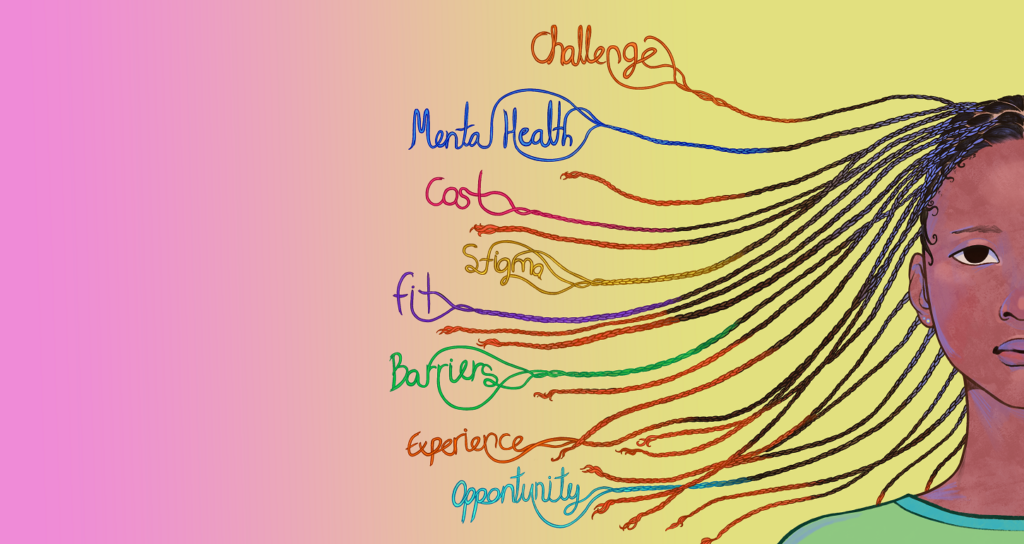
As a white woman, I once overlooked how race shapes care. My wife and son of colour face withheld trust, pain bias, harsher stigma, microaggressions, and scarce, overburdened services. I’ve learned mental health isn’t separate from skin colour; privilege cushions some, while systemic barriers bruise others—often across generations.
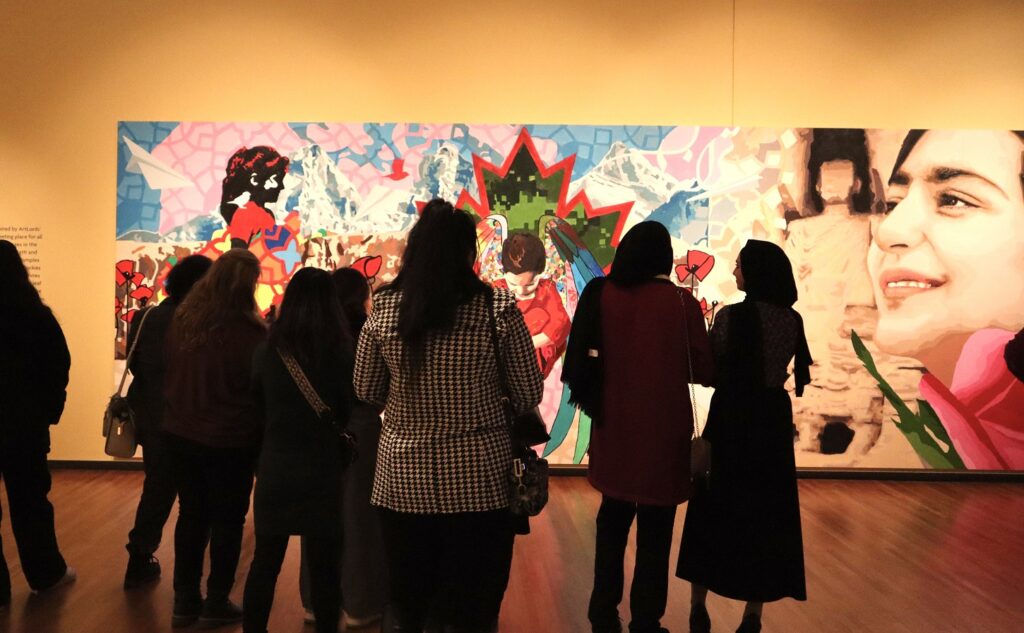
Dil Ba Dil (heart to heart) is one of several support programs for newcomers. It is part of ABRAR Trauma and Mental Health’s approach to complex and culturally informed care.

When someone says, “you’re so brave” (as they do all the time) all I hear is that to them, my life is pitiful, and I feel diminished and reduced to my diagnosis. It makes me think of an after school special on “never giving up” (remember those cheesy posters from the eighties and nineties with a cat hanging on a rope? Yeah, that.)

‘You’re so brave’ can feel diminishing to those living with mental illness. Courage lies not in existing but in choosing to share our stories against stigma.