If you are in distress, you can call or text 988 at any time. If it is an emergency, call 9-1-1 or go to your local emergency department.

People 85 and older make up Canada’s fastest-growing population segment, increasing at nearly four times the rate of the total. Also growing quickly is the number of evidence-based tools and strategies to help them live longer, happier, and more fulfilling lives, which is good news, since the size of this group will triple over the next few decades.

From research to resources
How does getting older affect our mental health? For Dalhousie University professor of psychiatry Dr. Keri-Leigh Cassidy, “contrary to popular notions that things only get worse as we age, research shows some things can actually improve. Throughout our lives, our brains continue to grow and rewire through neuroplasticity. While we may be more likely to encounter loss and adversity as we age, we can also become better at handling life’s challenges. The research also shows that levels of happiness, compassion, and gratitude increase with age.”

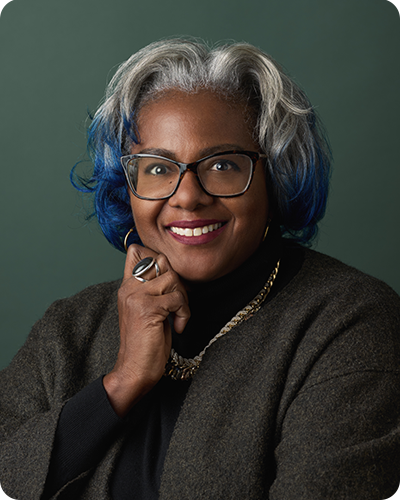
A recognized leader in late-life psychotherapy, mood, and anxiety disorders, Cassidy chairs the Atlantic Seniors’ Mental Health Network and is the clinical academic director of Dalhousie’s geriatric psychiatry program. In 2011, she launched Fountain of Health, a national non-profit initiative that shares the current science on well-being, resilience, and optimal aging while offering webinars and courses for individuals, organizations, and clinicians.

“People often don’t recognize how much influence they can have on their health,” she said. “For example, we now know that genetic factors account for only 25 per cent of human life expectancy and that unhealthy lifestyles are responsible for more than 85 per cent of chronic diseases.”

Cassidy also cites research showing that those who adopt specific habits are more likely to live longer and report higher levels of happiness and satisfaction. As detailed on the Fountain of Health website, these habits fall into general categories such as physical activity, social interaction, brain challenges, mental health self-care, and positive thinking.

“Our thinking, including how we think about aging, is a fascinating new area of research,” she said. “A Yale University study found that people with a more positive self-perception of aging outlived those with a more negative view by 7.5 years. Regular self-care through yoga, mindfulness practice, and healthy sleep habits can also improve mental well-being. Knowing the signs and symptoms of mental illness — and being willing to reach out for professional help, if needed — is also vitally important.”

Life begins at 60
Top Sixty Over Sixty founder Helen Hirsh Spence came to a similar conclusion about the way we think about aging when she approached retirement age. It was then that she began to fully appreciate the harmful impacts of ageism and the stereotypes associated with retirement.

“Common descriptions such as ‘put out to pasture’ or ‘permanently on vacation’ can have a pernicious effect by reinforcing negative views,” she said. “People who internalize these views risk losing their sense of purpose as they age. And as the research shows, they can end up shortening their lives as a result.”

After a career in education, Spence started the for-profit social enterprise in her late 60s to help counter ageism and harness the talents of older adults in Canada. She believes that most of us have long undervalued older people and the contributions they can make to society.

“My life’s work is now dedicated to reframing the conversation about aging,” she said. “There are two parts to Top Sixty Over Sixty: showing businesses and organizations how to benefit from age-diverse workforces, and helping older people reinvent themselves with confidence and agency.”

Practical, evidence-based tips
The increased levels of isolation due to the pandemic make it particularly important to adopt habits that protect both physical and mental health. To help older adults protect their mental wellness during COVID-19, the Mental Health Commission of Canada teamed up with Cassidy to develop a tip sheet with practical, evidence-based guidance. For example, the first tip recommends focusing on what we can control, such as practising self-care and incorporating healthy routines into our daily lives.

Now in her early fifties, Cassidy has become increasingly disciplined about her own self-care.

“It’s easy to feel overwhelmed by the ongoing pandemic,” she said. “To counter this, I follow the tip about limiting my exposure to news media, especially right before bedtime. I also make time to exercise and express gratitude, and I connect with a group of friends every week by video conference. These habits help me stay balanced and appreciate the good things in life.”

Author:

Peter McKinnon

My name is Tami.

I was diagnosed with schizophrenia in 1996.  I struggled because I couldn’t find stable employment until four years ago.  This is because as a schizophrenic, I was not seen for who I really am and what I can do.  I feel that we are seen as incapable and as dangerous.  But I am a wife and a mother, and I am now self-employed. I found my way! 

I wish to help those in my situation find hope when they are first diagnosed with a mental disorder. We are often diverted into volunteerism and not encouraged to work, because social norms make it seem like people with mental illness don’t deserve to work and make money.  My husband’s family told him to leave me at the start of our marriage because I was only a volunteer. I was being pushed to volunteer by certain organizations who promised me paid work. But they were empty promises they made that I would get paid. I was admitted to the hospital because of the pressures of family and the situation.

There is a way out. Now.

Back then, there wasn’t any hope, but now there is. Society has slowly begun to accept mental illness.  We can speak out and be heard and recognized as someone who is capable.

I started driving an Uber 4 years ago and I feel like I am contributing to society and my family respects me.  My husband is proud of me! 

I also invented a mood band.  It changes colour when temperature changes are indicating anxiety or depression, and then the wearer snaps the band across the skin, grounding them.  This method is Pavlovian.   Anxiety is associated with colour and to calm down, you snap the band. And it is a distraction.  On the band it says STOP SNAP BREATHE.

I also wrote a book which I am getting out to the public called “Put me in a box: how I learned to be crazy”. It is a raw and candid account of my journey with anorexia when I was a teen and later on, my battle with schizophrenia.    

You too can follow your dreams and hope for the stars!

Dr. Manon Charbonneau remembers the day vividly, though she’d rather forget it.

“So that’s it, then — cancer,” she recalls saying in disbelief with her eyes locked on the digital images of her mammogram. The radiologist confirmed the diagnosis, and in a moment her world was “completely dismantled.”

As a clinical psychiatrist, Charbonneau had dedicated much of her life to helping other people. “I’d wanted to be a doctor since I was five years old,” she said.

Yet, the long road unfolding before her would mean a marked shift. “While I used to say I was going to grow up and cure cancer, instead cancer found me.”

At the time of her diagnosis, Charbonneau had been practising at a hospital in rural Quebec. And although her medical background helped prepare her for what cancer would do to her body, it did not prepare her for the toll it would take on her mind.  

A legacy of battling stigma
Many years before her diagnosis, Charbonneau was confronted by another debilitating illness — depression.

Manon Charbonneau

Manon Charbonneau

“I had reached such a low place that I almost left my residency. Then, one of my professors told me that whatever I chose to do, I should never talk about my depression because it would hurt my career,” she said. “So that’s exactly what I did — put my head down and stayed silent.”

Without a word to anyone in her professional sphere, Charbonneau fortunately managed to overcome her depression. Afterward, her career took off, and she eventually became president of the Canadian Psychiatric Association (CPA). At the end of her CPA presidency in 2008, nearly 20 years since she’d first dealt with depression, she decided it was time to break her silence.

In her final address as CPA president, Charbonneau candidly described her personal experience with depression, leaving many in the crowd stunned.

“At the time, no one — let alone health professionals — was talking about their own mental health problems,” she said. “I saw an opportunity to change that.”

Charbonneau’s candour ultimately led to the creation of the CPA’s working group on stigma and discrimination, which she chaired for the next 10 years. “Telling my story was a way for me to close the door on my time as CPA president as well as on my depression.”

What she didn’t know was that her cancer diagnosis would come later that year, opening the door to let depression come back in.

Suffering in silence
“After my diagnosis, everything moved very quickly,” Charbonneau recalled. Before she knew it, she had a treatment plan that included surgery, chemotherapy, and radiation.

Yet, as her intensive treatments began to wreak havoc on her body, she noticed signs of her depression returning. “It was insidious,” she said. “Slowly my thoughts and mood started changing until I was consumed by depression all over again.”

Battling breast cancer and a major depressive episode at the same time, Charbonneau was struck by the stark contrast in support between the two.

“Cancer treatment is like a giant pink hot-air balloon. You’re lifted up with support — good funding, good programs, a team that checks in on you every day. Everyone comes together to take great care of you,” she said. “In mental illness, there is no balloon.”

Even with the robust treatment plan Charbonneau received for her cancer, psychological services were not part of the program. “When it comes to mental health, cancer patients are mostly left to fend for themselves.”

Charbonneau is not alone in her experience of having to deal with cancer alongside mental illness. As a recent Mental Health Commission of Canada (MHCC) fact sheet (developed with the Canadian Partnership Against Cancer) points out, the estimated prevalence of depression and anxiety in people treated for cancer is at least double what it is in the general public.

Citing a large survey of adult cancer survivors in Canada, the fact sheet also notes that nearly 80 per cent experienced at least one emotional concern in the one to three years following their treatment, many of which were not met.

The difference in support between Charbonneau’s cancer and depression extended beyond her care team, who she noted, did the best they could within the limits of the health-care system.

Socially, she says, we think of mental and physical illness very differently — something she realized with striking clarity one afternoon while recovering at home.

“I woke up from a nap to 19 flower arrangements, 37 missed calls, and what seemed like hundreds of messages of support from friends, colleagues, and even patients,” she said, adding that for a moment she wondered whether she’d already died. “But in all those cards and voicemails, my mental health was never mentioned.”

For Charbonneau, that experience was a poignant reminder that the stigma around mental illness was alive and well.

“People just don’t know what to do or say when someone is dealing with mental illness, so they say nothing,” she said. “Without that support, the road to recovery gets pretty lonely.”

The power of hope
In the thick of a second depressive episode and taxing cancer treatments, Charbonneau found herself with little motivation. “Some days I couldn’t even bring myself to take a shower, let alone take the steps I needed to get help for my depression.”

But after some difficult conversations with her husband and two children, she realized that she could no longer push her depression aside. If she was to make a full recovery, it needed to include her mental health.

As she worked with professionals to overcome her depression for the second time, Charbonneau began to feel more hopeful for the future — something she considers key to recovery. “As mental health professionals, a huge part of our job is instilling hope — hope that recovery is possible and that a higher quality of life is waiting for you.”

She also found hope for her physical recovery from an unexpected source when asked to attend a charity event almost a year away. “Suddenly I thought, maybe I’m not dying after all. I think I’m going to live to be at this event. That was a huge turning point for me.”

For others struggling to cope with a serious illness — mental, physical, or both — Charbonneau emphasizes the importance of vulnerability. “Reach out to someone you trust and really open up. It’s only by being honest about how you feel that you can get better. Help is there if you’re willing to ask for it.”

An agent of change
Even for Charbonneau, being vulnerable is easier said than done. She hesitated when the people at Bell Let’s Talk asked her to become an ambassador and share her experience with depression and cancer.

“After taking such a long break from sharing my personal story, I had to overcome self-stigma to do it again,” she said. “Working in health care, it’s hard to admit to being less than 100 per cent. But everyone close to me told me that I had to do it, and they were right. Vulnerability is what leads to change.”

That change in the way mental illness is perceived has become the backbone of Charbonneau’s advocacy work. In addition to Bell Let’s Talk, she has also spread her message as a member of the MHCC’s board (2013-19) and continues to work as a trainer for its Mental Health First Aid program.

As she continues to advocate for change at every level — from individual attitudes to the health-care system and public policy more broadly — she often comes back to her own experience. “I picture that big pink hot-air balloon that carried me through my cancer treatment, and I think, ‘when will the balloon arrive for those living with mental illness? Where is their balloon?’”

Perhaps the only thing stronger than Charbonneau’s drive to find that balloon is her belief that we can all help. In describing how motivated she is by the power of individual actions, she cites a favourite quote: Be the change you wish to see in the world. “We are all agents of change,” she said. By shifting the way we think about, talk about, and care about mental health, we can create the change we wish to see.”

Author:

Amber St. Louis

How do you build a support system that works for you? Good question.

I’m hoping that by sharing some of my personal experiences (because I’m still learning new lessons myself daily), I can help someone else out there. 

The first thing to learn is: you’re not alone.  That was probably the hardest lesson for me but having a support system became crucial in instilling that in my thought process. 

Being on the road to recovery has its own sets of challenges, of course, but even just getting on the road to begin the trip is already tricky, right? 

A little about me. I’m a recovering addict and recovering from an addiction is a process that includes physical and mental withdrawal, long-term cravings, and lifestyle changes to help combat the original causes of your addiction and your addiction triggers. 

Sounds a little challenging, doesn’t it? As I said earlier, it’s a process, and it is not an easy one. 

That’s where I had to learn my second lesson: Asking for help is okay.

Not too long after seeking help for my substance abuse issues, it became apparent that I had dual citizenship in the world of recovery; my mental health was suffering greatly. I was eventually diagnosed with a few mental health illnesses. 

Once my healing journey started, I needed to encompass myself positively to keep it going; that’s where needing a support system comes in handy.

Let’s be honest – if knowing how to build a support system was already common knowledge, a lot of us probably wouldn’t have gotten caught up in the throes of addiction in the first place. 

I needed to identify what support types would benefit me because there is no one-size-fits-all in that department. 

I love to walk, and I can walk for hours on my own, but isolation can sometimes be unhealthy for me. When anyone offers to take a stroll with me, it feels like I won the lottery every time, but lately, I don’t even wait for offers anymore. I’ve voluntarily organized group walking meetups, stepping out of my comfort zone, and socializing; that’s major for me.

Knowing what I needed from my support circle helped me strengthen it, no matter what it resembled. Taking my time building my circle has become essential to the foundation of my recovery. 

Another step I had to take meant reaching out to people who knew and loved me already. 

Putting my recovery first had created a distance with some of my loved ones. Still, by demonstrating how much I wanted to repair and close gaps, some of those relationships have become even more significant today.

Once I started, things really went on a roll. I began to reconnect with old friends and revisit familiar places that made me feel safe and happy. I went about trying out old hobbies again – I even picked up my old guitar and started retaking lessons. I hadn’t touched an instrument since grade 10 when I was in the school band.

I realized that building a support system should also involve my interests outside of my ailments. 

Yes, going to therapy regularly and attending 12-Step meetings are crucial to my healing process. Still, regardless of whether I was a pro or a beginner at new activities or interests, I found some very beneficial to the process. 

I felt shy and dared myself one day to try yoga (those yoga outfits are cute; I needed to justify the purchase) from the comfort of my home, mind you, but I was still nervous to try it. Now, I hate to sound cliche, but I think everyone can benefit from what yoga has done for my mind, body, and spirit since I started. 

I got active, which may sound scary or overwhelming at first because I know it did for me, but it helped me get more involved, which led to getting out of my house.

I started socializing with like-minded individuals and soon experienced the power of sharing healthy coping mechanisms with others. I don’t need to become BFFs for these types of connections to be still very beneficial in strengthening my support system. 

My fear of being vulnerable always held me back from opening up more. I started to face that fear, and now my vulnerability has become my superpower.

I wasn’t always this transparent though, and that’s where having a therapist and going to counselling helped the most, because building a proper support system means I will have to be transparent about how I feel or what I need. 

Especially since I’m relearning how to be social while prioritizing putting my recovery first at the same time. Having a social network is only a benefit if it’s positive, which means I have to be hypervigilant in all my personal or professional interactions. If they start to provide any negative obstacles to my journey (even if they think they mean well), it’s my responsibility to remove them. 

This is where creating boundaries and sticking to them came into full effect for me. Once any relationship becomes triggering, I am prudent because my recovery is too valuable to take any chances.

I practice mindfulness and I’m now at a place where I stay present about the people, places, or things surrounding me. I’m more aware of any scenario, becoming no longer supportive and acting accordingly.

I may make new life-altering connections; I may have to distance myself from or end relationships that once seemed never-ending.

My support community doesn’t need to be overwhelming either but checking out support groups in other areas of my life (parenting, career goals, etc. etc.) is just as beneficial if not a necessity. 

Creating a nice balanced routine involving family, friends, career, and professional organizations sounds like perfection but being the leader of my recovery means that I get to be in charge of what that looks like as long as it provides positive reinforcements to my wellness.

I am taking my time to build my support system; I’ll slow down if needed and pick up the pace when I’m ready. 

Most importantly, I’ll continue to make adjustments when necessary because being active in your recovery is an ever-evolving job.

Here are some of my favourite support ideas:

  • Yoga
  • Meditation
  • Reading
  • Writing
  • Focus on my spirituality
  • Walking
  • Knitting (Don’t laugh, it’s another of my favourites)
  • Express my feelings
  • Asking for help
  • Avoid slippery places, people, and things
  • 12 Step Meetings/Call my sponsor
  • FUN 

Phoenix Residential Society: Rising from the ashes

I reached Ian Morrison at his office at the Regina branch of the Canadian Mental Health Association (CMHA). A graduate of the Humber College comedy writing program, he teaches people how to harness their experiences — with mental illness and life in general — into stand-up comedy routines.

“It’s all I’ve ever wanted to do,” he said. “Just tell jokes, make people laugh.”

But 12 years ago, this dream seemed as distant as Hollywood itself. Morrison found himself at a Salvation Army shelter, off his medication and out of options. “Honestly, I thought my life was over. And it would have been if not for Phoenix [Residential Society].”

Here he paused. “I’m not trying to be dramatic,” he said, referencing his life’s passion. “But if it weren’t for Phoenix, I’d be dead. That’s simply the truth.”

From an early age, Morrison displayed symptoms of mental illness. While his obsessive-compulsive disorder (OCD), attention deficit disorder, and learning disabilities weren’t diagnosed until he was 16, he had long sensed that his thought patterns were different from others.

“What people don’t understand about OCD is that the thoughts are so intrusive and entirely out of character. And then you ruminate on them over and over. It becomes a vicious cycle. At the age of 28 I felt utterly defeated.”

Bankrupt with nowhere to live, Morrison was finally thrown a lifeline — and he’s never let go.

The secret sauce

Founded in 1979, Phoenix Residential Society has humble roots.

“We began with a handful of clients, perhaps nine,” said executive director Sheila Wignes-Paton, who’s been with the organization for more than 30 years. “I started on the front lines, helping people find their footing after experiencing homelessness or hospitalization for mental illness. Now we’ve got 190 people in the Phoenix family — which has expanded to include individuals with diverse needs, for example, those with acquired brain injuries.”

Wignes-Paton added that the organization’s success is not only rooted in recovery principles, which give clients the respect and self-determination to direct their own care, but also in an environment that nurtures and supports staff.

For Lynne Scott, a Phoenix staff member who works directly with residents, that kind of support translates into training to helps her manage the emotional strain of providing support to people in their “hour of need.”

“We’re taught how to set boundaries, refill our own emotional resources, and understand that we can’t pour from an empty cup,” said Scott, who has been with Phoenix for more than 15 years.

“Lynne’s tenure isn’t unusual,” said Wignes-Paton. “We’ve got a groove going here. We do this incredibly meaningful work, which is rewarding in and of itself. But we also place a tremendous value on our staff, and in doing so, reinforce the message that every person’s wellness reflects our overall health as an organization.”

For Scott, the recipe for success is simple — although that doesn’t mean it’s easy. “We meet people where they are, and we don’t sit in judgment. We stay curious, we ask questions, and often the results can be surprising.”

An open mind and an open heart

To illustrate how that works, Scott described her experience with a young man who arrived exhausted, in ragged clothes, and in need of a bath. “I thought to myself that we might need to begin with a focus on hygiene but waited to see how things played out.”

As it happened, the young man had been living in less-than-ideal conditions, without access to clean water. “Once a shower was available, he never needed prompting,” said Scott, who further recalled that initially he also overslept quite a bit, making him late for group therapy and other meetings.

“A trip to the doctor revealed a serious case of sleep apnea that was preventing a good night’s rest. When we got him treatment for that, he was perpetually on time.”

She has seen this kind of small transformation time and again. “I once had a resident who came in with matted hair and had been homeless for some time. I asked him if he’d like to go for a haircut. I didn’t have to ask twice.”

That same resident enjoyed his trip to the barbershop so much, he acquired a pair of clippers and began expressing himself through creative styles. “It’s spiky one day, and something else the next,” laughed Scott, who said she never fails to be surprised by what captures a resident’s imagination and the quiet joy of helping them to follow their interests.

The freedom to follow one’s interests was exactly the kind of support that led Morrison to where is he today. “I remember leaving the shelter and arriving at Phoenix, then having my case worker ask me what I’d like to do,” he said. At the time, living with depression and feeling devoid of prospects — yet thankful to be housed — Morrison’s reply was, “I guess I’ll just get another crappy job.”

He didn’t dare dream bigger, and he didn’t believe that something more meaningful could be on the horizon. “But I am forever grateful because she [his case worker] said to me, “I asked you what you wanted to do.”

Morrison said he quipped, “I want to do stand-up,” expecting a sarcastic response to his dearly held but long-abandoned wish.

“But she said to me, ‘OK, let’s figure out how you can do that.’”

A home, a job, and a friend

That approach to recovery, focusing on the agency of the individual, is the beating heart of Phoenix. Not only did Morrison wind up with a job at CMHA that fulfils his creative drive, he’s also able to help others find their comedic voices.

“I have a place to live — for as long as I want. I have a safety net that’s ready to step in and help when I need it. And I have people who can fill in the gaps that I may still struggle with.”

Morrison concedes that medication management can be a challenge. “I take 14 pills a day and get an injection every two weeks,” he explained, a regime that would challenge any of us. But Phoenix makes sure he doesn’t lose track. He also readily admits that his head for punchlines is a lot better than it is for bottom lines. So the financial guidance Phoenix provides is crucial for his continued independence.

“They helped me to put together a savings account,” Morrison said. “So suddenly, when my air conditioner broke, I had the funds to cover it.”

While this victory may seem modest, the Phoenix model is financially sound by any measure.

A sound investment

In 2018, the organization took a bird’s eye view of their federally funded Housing First program for persons who are chronically or periodically homeless. After tallying up the taxpayer dollars saved, based on 49 clients over four years, the numbers showed that their housing and attendant supports were far less costly to the public purse than repeated crisis interventions.

“We know Housing First works,” affirmed Michel Rodrigue, president and CEO of the Mental Health Commission of Canada, which was charged with rolling out the largest research demonstration project of its kind. “As an accountant by trade, I can see the value of the savings it brings. Yet my compassionate side knows that it’s impossible to put a price tag on the hope, dignity, and inclusion of a safe place to live.”

The economics are certainly sound. According to Phoenix, hospital stays alone were reduced by over $335,000. Spending for emergency room visits, notoriously costly — both in terms of financial and human resources — went down from over $500,000 to just $100,000. But the greatest decrease related to detox visits — which were slashed by about $1 million.

“Truth be told, we spend more time doing the work than toting up numbers,” admitted Wignes-Paton. Still, the results speak for themselves.

From clean housing and volunteer opportunities to group therapy and peer-support to financial guidance and medication management, Phoenix tailors its services to residents’ needs, so they receive personalized care that can be adjusted over time.

“People may think, ‘OK, recovery means you’re going to be exactly like you were before you got sick,’” explained Scott. “But that’s not necessarily the case. While Morrison has had tremendous success by any measure — doing meaningful work and making lives better daily — for another person recovery may look quite different.”

That’s one reason the Phoenix approach celebrates small victories, offers a safety net for (expected) setbacks, and above all, provides people who need it a place of their own.

“When I was in Saskatoon,” recalled Morrison, “I got kicked out of two boarding houses in one day, simply because I mentioned my medication left me tired. That feeling of being unwanted, unworthy, it stays with you. There are so many misconceptions about people living with mental illness. It’s frustrating and hurtful,” he said.

At six-foot-four and well over 200 pounds, Morrison gives the impression of being a gentle giant, wanting nothing more to live his days making people laugh and teaching them to laugh at themselves.

“Next to Phoenix, laughter is the best medicine. But I couldn’t have one without the other.”

Suzanne Westover

An Ottawa writer and former speechwriter, and Manager of Communications at the Mental Health Commission of Canada. A homebody who always has her nose in a book, she bakes a mean lemon loaf (some would call her a one-dish wonder) and enjoys watching movies with her husband and 14-year-old daughter. Suzanne’s time with the MHCC cemented her interest in mental health, and she remains a life-long learner on the subject.

Illustrator: Remie Geoffroi w: remgeo.com ig: @remgeo

Rough skies ahead

When the world shut down in early 2020, industries around the globe were forced into the realities of operating during a pandemic.

Perhaps no sector was as hard hit as the airline industry, with many organizations laying off thousands of workers in an effort to keep up with the ever-evolving landscape of COVID-19 travel.

WestJet’s organizational well-being manager Lisa Dodwell-Greaves described the experience as nerve wracking.

“In March 2020 we had 14,000 employees; by July that same year we were left with 4,300. Those initial months had lots of uncertainty. We had to redefine the organizational structure and identify a bare-bones minimum crew to keep the lights on.”

While laid-off employees were having to find new jobs in a tough labour market, those who stayed were facing longer hours, increased stress, and guilt — the kind that stems from continuing at work earning income after friends and colleagues have walked out the door.

Under these conditions Dodwell-Greaves knew she would have an important role to play in helping to maintain employee mental well-being and the workplace culture — in that order. “You can’t have company resilience without individual resilience first,” she said.

A need for support

Even under normal circumstances, work in the travel industry can be stressful. But with the added uncertainty the pandemic has brought, employees are encountering aggravated travellers more and more. “Those dealing with the general public took a lot of abuse in the initial days of the pandemic,” Dodwell-Greaves said.

Pilots and flight attendants found themselves being turned away from businesses and ostracized by friends and family because of their interactions with passengers. They also had fears for their own physical well-being, questioning if it was safe to show up for work.

Unfortunately, such stories have become all too common as the pandemic wears on. Organizations are therefore finding it increasingly important to protect their employees from harm and provide them with psychological and social support.

In WestJet’s case, these aims had been on the radar even before the pandemic began.

Building a strategy

In early 2020 WestJet committed to implementing the National Standard of Canada for Psychological Health and Safety and increasing their initiatives to support employees and their mental well-being. While the pandemic affected the original implementation plan, the company was still able to take steps in the right direction.

“The strategy we put together really keyed in on the next three to five years,” Dodwell-Greaves recalled. “We set out to take this big concept and put it into focused buckets where we could create some quick wins, things employees would support (or feel support from) and know they had gotten help — along with some areas where our leaders could start to support our employees in a more meaningful way.”

Also included was a variety of other initiatives and benefits for their workers. Even prior to COVID, in August 2019 and based on data from an analysis of short- and long-term disability claims, the organization was able to identify areas of further support and increase coverage for psychotherapy, psychology, and counselling for all qualifying employees.

WestJet’s early adoption of a broader mental wellness strategy allowed them to integrate further key initiatives into their pandemic operations. And one of the largest initiatives began with their leadership group.

Starting from the top

In 2021, WestJet ramped up their support for mental wellness by providing training to their managers through The Working Mind, an evidence-based course from the Mental Health Commission of Canada designed to reduce stigma around mental well-being in the workplace.

“Before we launched anything for our workers,” Dodwell-Greaves explained, “we wanted to make sure our managers had a sense of how to help them. Having support from our leadership team will give our employees the confidence of knowing that the organization is invested in their mental well-being.”

“It’s part of a larger mental health strategy,” she added, “one that goes beyond our employees to include our guests and also carry into the communities we serve.”

Over the coming year WestJet intends to build on the number of employees trained to support mental health and reduce stigma in the workplace.

Case Study: WestJet

Author:

Eric Gronke

A graduate of Carleton University’s Sprott School of Business, Eric has extensive experience in sports and entertainment communications and marketing. Eric is the co-founder of mssn, a brand dedicated to raising funds and awareness for youth mental health in the Ottawa area.

Research conducted by Mental Health Commission of Canada (MHCC) staff into early childhood mental health has helped inspire a new, multi-million dollar funding initiative by the Canadian Institutes of Health Research (CIHR). This spring, CIHR’s Institute of Human Development, Child and Youth Health (IHDCYH) expects to issue a call for proposals devoted to early childhood mental health.

For MHCC vice-president of programs and priorities Ed Mantler, this new research opportunity is great news for the commission. “It not only illustrates the broad impacts of our work, it also shows that what we do matters and helps drive progress on mental health for all people in Canada.”

Although details about the initiative have yet to be shared, the call for proposals is expected to prioritize research on how to improve the implementation of evidence-based mental health interventions for children up to age five (including their caregivers).

Filling current research gaps

A key part of the MHCC’s mandate is to facilitate the creation of environments that foster positive development, mental health, and resiliency throughout a person’s life. For children under age six,  relatively few existing mental health programs have been adequately researched and evaluated — and even fewer have been focused on specific parent-child populations.

“Early childhood mental health is a relatively undersupported topic,” said Brandon Hey, MHCC senior research and policy advisor. “There’s more and more research but relatively little support in terms of programs, policy, earmarked funding, prioritization, and implementation of the evidence into practice.”

In recent years, Hey was part of an MHCC team that documented existing early childhood mental health programs, services, and providers. In 2020, they published a scoping research report, along with a one-page summary, and hosted a roundtable forum in Vancouver. The Making Connections forum brought together representatives from a broad spectrum of organizations: federal and provincial governments, medical associations, and independent research and advocacy groups. Among the delegates was Tier 1 Canada Research Chair Dr. Christine Chambers, who is also the scientific director of the IHDCYH.

Acknowledging the impact of that event on the new research program, Chambers recalled how “the gaps and priorities identified by the MHCC and discussed at the forum really resonated with our institute and mandate. We’re now grateful to be able to leverage this work, alongside other foundational inputs, and use it to inform the development of a new funding initiative.”

Linking knowledge to human development

What sets IHDCYH research apart is its singular focus on children and families rather than on a particular disease or organ. The institute facilitates partnerships and works to accelerate the translation of new knowledge related to human development, including biological, behavioural, and social factors.

“It’s gratifying to know that our preliminary efforts will live on,” said Mantler. “CIHR’s funding announcement also supports the ‘inquire, inspire, improve’ model we articulated in our new strategic plan. Our inquiry into childhood mental health inspired CIHR to fund research that will further improve knowledge and programs.”

Additional research into early childhood mental health is particularly important in light of COVID-19. Due to temporary closures at schools and daycare centres, many young children have had fewer opportunities to socialize with their peers. Along with perceived higher levels of anxiety across Canada, this relative lack of interaction represents an additional stressor for these children and their families.

A 2021 policy brief on the topic from Hey and his team, in partnership with Canadian Paediatric Society (CPA), draws out what these pandemic stresses can mean, including their effect on parenting, family stresses, and early brain development. In light of the mental health needs COVID-19 has given rise to, the brief provides policy makers, system planners, and decision makers guidance on ways to support infants, young children, and their families.

“Connections with organizations like CIHR and CPA not only help validate the MHCC’s work, they also help ensure that our efforts improve the health and well-being of all people in Canada,” said Mantler.

Author:

Peter McKinnon

Rewriting the personal narratives born from anti-Black racism

“I’m so glad you’re Black.”

Donna Richards

Donna Richards

That’s the first thing Donna Richards hears from her new client. But as one of the few African, Caribbean, and Black (ACB) clinicians working in the client’s Employee Assistance Program (EAP) — and one of the few ACB psychotherapists in Canada — she hears it a lot.

As her client runs through some of the difficulties she’s having at work, another familiar sentiment emerges: exhaustion. Not the exhaustion that comes from long hours and little rest, but the mental exhaustion born of racial microaggressions — small, insidious acts of anti-Black racism that are beginning to take a noticeable toll.

Among the incidents she describes are being overlooked for well-deserved promotions, having others take credit for her work, and even getting mocked for attending a Black Lives Matter demonstration.

When asking her client about the possibility of speaking up about them at work, Richards can nearly predict the response before she hears it.

“There’s no point. No one will care. Nothing will ever change.”

Unlearning that belief, as Richards knows, won’t be easy.  

Death by 1,000 cuts

Rohan Thompson

Rohan Thompson

For Rohan Thompson, a psychotherapist in private practice who works mostly with ACB men and youth, the cumulative effects of racial microaggressions occur every day.

“Clients often come to me after a crisis,” he explained. “They don’t seek help each time they’ve been passed over, put down, or treated as less than. They do so when the compounding effect causes a much bigger mental health problem. It’s like death by 1,000 cuts.”

Those problems can range from high stress levels, to anxiety and depression, to post-traumatic stress disorder, among others.

Richards has seen a similar effect in her work. “Every tiny act of discrimination, no matter how veiled or well-intentioned, leaves an invisible mark. And when these incidents are downplayed or ignored, it sends the message that those marks, and those experiences, don’t matter,” she said. “I see a lot of damage to self-esteem as a result of that message, and a lot of self-medicating to cope with it.”

The disparity in perception about anti-Black racism extends far beyond the workplace. According to a 2019 survey, while nearly half of all participants agreed that discrimination against Black people in Canada was no longer a problem, 83 per cent of Black participants said they were treated unfairly at least some of the time.

As Richards points out, whether that discrepancy stems from genuine ignorance or denial, its effects are costly. “I’ve had clients quit their jobs because they fear retribution for speaking up or trying to hold their employer to account. For so many, it’s just not worth it.”

It’s not hard to understand how a seemingly endless pattern of discrimination alongside a lack of acknowledgment could lead to feelings of resignation — both figurative and literal. But beside the slow burning fuse sparked by microaggressions, there’s a transformational fire waiting to be lit — one that begins with a paradigm shift.

The meritocracy myth

“As kids we’re taught that hard work pays off and success is earned. But when you’re Black, it’s more complicated than that,” said Thompson, adding that that shift in how we understand equality and success is powerful.

“When my clients describe their experiences at work, they don’t always realize when they’re talking about anti-Black racism. They just know they’re bowing under the weight of being overlooked, underutilized, and treated as inferior to their peers,” he said. “I see a lot of high anxiety and self-blame from clients who subscribe to the meritocracy myth because their effort doesn’t match the outcome. Then there’s a lightbulb moment when they realize their experiences aren’t unique and have nothing to do with inadequacy.”

For many of Thompson’s clients, understanding that their negative experiences stem from broader systemic problems brings clarity and validation, but sometimes getting a person to that point takes work.

Thompson likes to present clients with data, using numbers to help them rewrite their narratives of self-doubt. He points to statistics showing that ACB university graduates earn only 80 cents for every dollar earned by White university graduates with the same credentials.

Or the jarring research around job call-backs based on “White-” versus “Black-sounding” resumés — again, with the same credentials — where Black-sounding resumés receive calls as little as one-third as often.

These statistics, on top of data showing that ACB leaders hold fewer than one per cent of executive roles at major Canadian companies, help paint the picture of a fundamentally uneven playing field.

Under-representation starts early

Yet that lack of ACB representation isn’t just an issue among company executives, Richards said. “For instance, I wanted to get into psychotherapy earlier than I did, but no one in a clinical setting looked like me — which, as an ACB woman, told me that I didn’t belong there.”

Long before post-secondary school, the under-representation of ACB teachers, principals, and guidance counsellors creates a skewed image of the options available for racialized youth. With half as many ACB teachers as students (by percentage of the population), the disparity is hard to miss, even for a child.

“Students need to see Black guidance counsellors, right from elementary school,” said Richards, adding that, as education progresses ACB students have little encouragement to pursue anything in a clinical stream. This gap, in turn, contributes to the extreme shortage of ACB psychotherapists in Canada.

As a former assistant director of equity and community partnerships for the Peel District School Board, Thompson wholeheartedly agrees that increasing ACB representation in schools is needed.

“In many cases, the meritocracy myth and the self-destructive patterns that follow start in schools,” he said. Statistics from Toronto high schools show that ACB students are disproportionately suspended and expelled, and they receive half as many “excellent” ratings from teachers as other students do, even with the same standardized test scores.

Studies also show that having an ACB teacher increases the likelihood that students will enrol in post-secondary education and decreases their likelihood of dropping out.

But as Thompson explains, it’s not enough to have more ACB representation in the school system if those schools aren’t actively addressing anti-Black racism among staff. “How can Black educators be the supports students need if no one is supporting them?”

Employer empowerment

Richards is passionate about the potential employers have to create transformational change in the workplace, although she admits it won’t be easy. “Diversity inclusion and training is a great start, but it’s going to take a lot more than a one-off course to create real change. It has to become an integral part of the way you work,” she said. “Employers need to remain cognizant of how they’re interacting with employees and lead by example. That means taking the time to really learn about the people they work with and become critically aware of their own biases.”

When it comes to creating behaviour change across the organization, Richards added, employers must be willing to hold everyone to a higher standard. “Accountability is non-negotiable. It’s not only about creating new opportunities to learn and do better. It’s also about addressing individuals, behaviours, policies, and hiring practices that perpetuate a culture of racism.”

In addition, she noted how employers need to think about expanding their coverage for psychological services, noting that very few people — whether in ACB communities or otherwise — can afford psychotherapy without private coverage.

In Shining a Light on Mental Health in Black Communities, a recent Mental Health Commission of Canada information resource, affordability was a chief barrier to accessing psychological support. Given the lower average incomes among the ACB workforce, bolstering coverage for their psychological services is even more critical.

Even as a provider of EAP counselling, Richards pointed out that coverage is often inadequate to address the need. “For someone who has experienced decades of racial trauma, a handful of solutions-based EAP sessions won’t go deep enough. To help ACB people get to the root of their experiences and truly begin to heal, they need access to longer term counselling.”

Writing a new ending

For those who do seek professional mental health support, Richards and Thompson agree: the journey through counselling involves a great deal of rebuilding.

“Deconstructing individual experiences and giving yourself permission to acknowledge the impact they’ve had can be a difficult process,” Richards said. “But then you pull lessons from those experiences and your self-perception slowly begins to change from someone who is less than to someone who is more than enough.”

For Thompson, another important part of therapy is cultivating joy. He often encourages his clients to think about what brings them joy and how they can integrate more of those things into their lives.

“Ultimately, I’m trying to build resiliency and instil a sense of agency,” he explained. “I want my clients to understand that, despite what society has taught them, their experiences matter, they are important, and they have the power to change their lives for the better.”

Author:

Amber St. Louis

Illustrator: Dorcas Markwei of, LynSow Creative

MHCC responds with a resource to help parents support their children’s return to school

My phone rang. Then a text popped up. It was a Monday morning and my friend “Sarah” would usually be at work. That’s odd, I thought.

“Hey, everything OK?” I asked when I got through.

Silence. A cough. Then, after interminable moments, a wobbly, “Hanging in there.” Another, deep-throated, wracking cough. Then a sob. “‘Julia’ has COVID.” A pause. “I’m pretty sure we all do.” I was surprised at how sick she sounded. She and her husband are both double-vaccinated. I tried to imagine how unwell they might be if they weren’t.

Then the whole story unfolded — dominoes tumbling, one after the other. Julia spiked a fever on a Friday night in mid-September. But her physical symptoms were at first the least of Sarah’s concerns.

The emotional cost of COVID
“You can’t hug me mommy,” Julia said when Sarah started to comfort her. “The kids in my class aren’t good at keeping their masks on. I forgot and talked today during lunch. I could make you sick. You need to stay away.”

Even though Sarah works in a field that allows her to recognize the signs and symptoms of anxiety, she explained that knowing something at a clinical level doesn’t always help when you’re a parent sinking in a quagmire of pandemic-induced muck — and she isn’t alone.

Consider recent research from the Mental Health Commission of Canada (MHCC), in partnership with the Canadian Paediatric Society, which found that 61 per cent of parents are very or extremely concerned about managing their child’s behaviour, anxiety, emotions, and stress.

“I need to support my kids while also managing my own emotions. I am so frustrated and angry. We did everything right,” Sarah said, pointing to her family’s limited social contacts and the purchase of N95 masks for her two daughters, six and nine, to bring to school. “I am not ashamed that we didn’t outrun this monster. But I am concerned with how to manage the long-term implications, not just in terms of potential lingering physical symptoms, but also in teaching my children how to navigate this reality without undue stress and worry.”

Drawing on a valuable partnership
September in a post-vaccinated world was supposed to hold the promise of a return to normalcy. And while there was elation when that first bell rang, a new reality has since set in — one that includes helping children manage their emotions as COVID continues to leave its stamp on school communities.

For MHCC president and CEO Michel Rodrigue, who recalled how people at the commission knew parents would be facing challenges this year. “That’s why we released a fall tip sheet on how to support young people returning to school. It was meant to help parents and caregivers in those low moments, as we all find ourselves when we’re at a loss for supportive, comforting words.”

To create the tip sheet, the MHCC joined forces with the Strongest Families Institute (SFI), a leading provider of skills-based behaviour training. We then distilled it into a few key tips and tricks that can be tacked onto a fridge or tucked into a struggling child’s school backpack.

“It’s important that we’re ready to engage children on their own terms,” said Dr. Patricia Lingley-Pottie, president and CEO of SFI. “Now is the time to watch for deviations in student behaviour. If they appear unsettled and apprehensive or show changes in mood and social tendencies, these may be signs of declining mental health.”

A fresh perspective
Lingley-Pottie advises parents and teachers to approach the topic casually by opting for “side by side” conversations, listening without judgment, and reminding youth that it’s OK to feel uneasy — that they’re not alone, since many of their friends and even adults are having the same feelings.

These are techniques Sarah has started using with her girls. “Some days are better than others,” she said, “but we try to keep the conversation going — realizing it’s not ‘one and done.’ There are times when my older daughter wants to talk a great deal about her feelings, and others when she wants nothing other than to be distracted, watch a movie, or play a game.”

Lingley-Pottie endorses such an approach. “In addition to being available to listen, it’s also important to be open about your own feelings.” By illustrating how you as a parent cope effectively with stress, she explained, you’re modelling the kind of resilience children can emulate.

Ultimately, the deceptively simple techniques on the tip sheet reinforce the importance of helping children and young people build the confidence to face difficult situations and the vocabulary to openly discuss them.

For Lingley-Pottie, “it’s important to notice persistent anxiety that is interfering with a child’s life to prevent more serious anxiety or depression from taking root. What we’ve learned at SFI is that skills that promote good mental health early in life are just as important as the school curriculum.”

Sarah agrees. “My kids have been in and out of virtual school these last couple of weeks. Are they missing some of their assignments? Sure. But we’re taking the approach that staying mentally well is the priority. While I wouldn’t wish COVID on anyone, we are profiting during this time by investing in the mental wellness of our kids.”

Suzanne Westover

An Ottawa writer and former speechwriter, and Manager of Communications at the Mental Health Commission of Canada. A homebody who always has her nose in a book, she bakes a mean lemon loaf (some would call her a one-dish wonder) and enjoys watching movies with her husband and 14-year-old daughter. Suzanne’s time with the MHCC cemented her interest in mental health, and she remains a life-long learner on the subject.

You can’t learn anything from a pop up.

But you can learn lots from our digital magazine, the experts, and those who have lived experience. Get tips and insights delivered to your inbox every month for free!

Subscribe to The Catalyst

Close the CTA
This field is hidden when viewing the form